At Ocean House Surfside, sophisticated credit can reshape liquidity and lender dependence, but it does not replace disciplined review of title, contract, insurance, assessments, project status, or closing costs.
For a buyer considering Ocean House Surfside, the financing decision is not simply a choice between debt and cash. It determines which approvals govern the transaction, how much liquidity remains after closing, which costs appear on the settlement statement, and where risk resides after the keys are delivered.
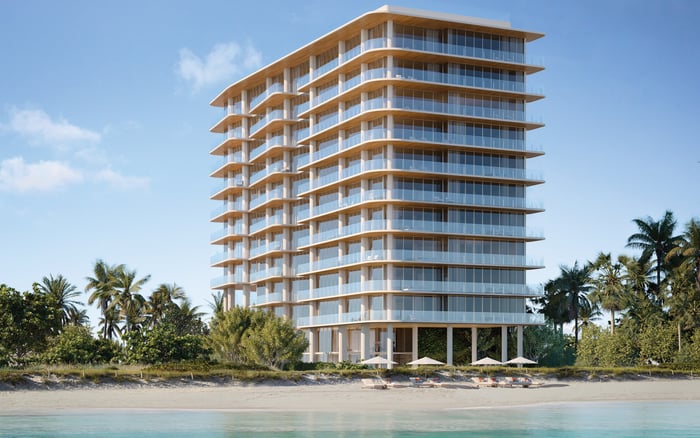
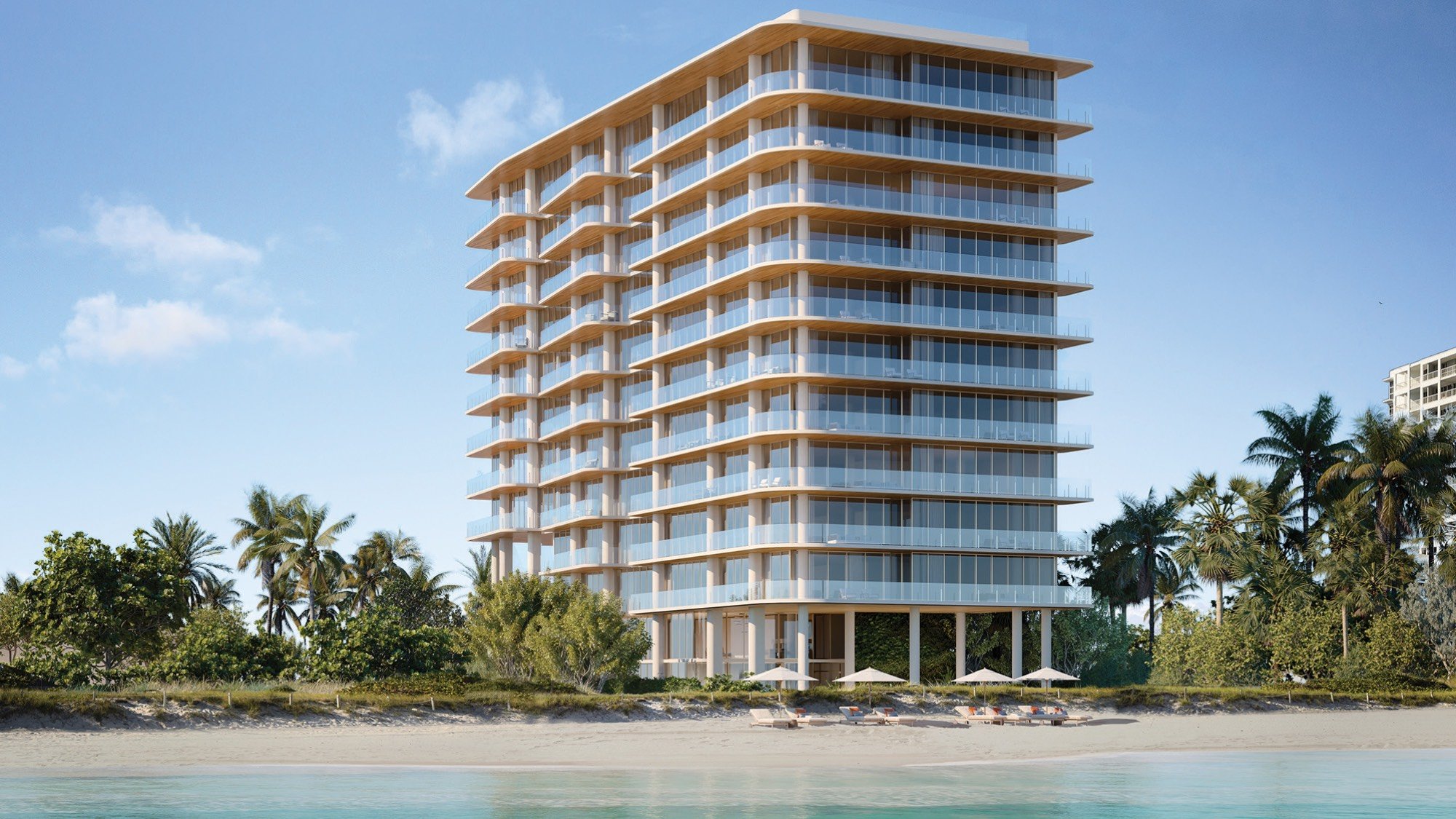
The project is planned as a 12-story oceanfront condominium with 25 residences at 9317 Collins Avenue in Surfside. Multiplan Real Estate Asset Management is the developer, Arquitectonica is the architect, and construction was underway by February 2025, with completion targeted for 2027. That timeline matters. A buyer evaluating a pre-construction contract today is not reviewing the same operating record that will exist as the completed condominium approaches closing.
Sophisticated credit can change the route to closing, but not the standard of diligence.
The central distinction is between borrower liquidity and condominium eligibility. A portfolio loan may offer a different underwriting route from a conventional mortgage, while a securities-backed line may provide purchase liquidity against eligible nonretirement investments. Neither structure, by itself, answers every question about the unit, project, contract, title, insurance, assessments, or final flow of funds.
Ocean House has secured project-level financing through a $30 million construction loan to the developer. That financing supports development activity, but it does not establish that an individual residence or purchaser will qualify for a mortgage at closing. Buyers should distinguish the developer’s capital structure from their own credit approval.
The building’s limited scale also warrants attention. With 25 residences, each unit represents 4% of the condominium. Ownership concentration can therefore become consequential in a lender’s project review. A boutique building may offer the discretion luxury buyers value, yet its small denominator can make questions about ownership, sales, insurance, governance, or other project-level conditions proportionally more significant.
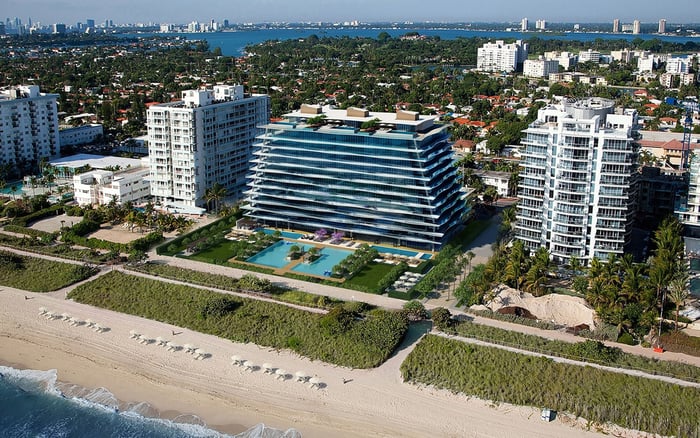
This is not unique to one address. Buyers comparing nearby options such as Arte Surfside or The Delmore Surfside should apply the same discipline: assess each property through its own documents, current status, financing conditions, and closing timetable rather than assume geography creates equivalent eligibility.
“Portfolio loan” should not be treated as a universal set of terms. The lender must confirm its underwriting standards, project-review requirements, collateral expectations, documentation, timing, and conditions for the specific purchaser and residence. Ocean House-specific portfolio-loan eligibility has not been established.
For closing strategy, the practical question is whether the selected lender will underwrite the transaction under its own criteria-and how much dependence remains on condominium-level approval. Buyers should request a written sequence of conditions early enough to coordinate the lender, Florida real-estate counsel, title agent, and closing schedule. Any assumption about income documentation, fees, appraisal treatment, reserves, entity ownership, or trust ownership should be verified for the actual product rather than inferred from the portfolio label.
Financing generally introduces lender and mortgage-related expenses that a cash purchase may avoid. The closing-cost model should therefore identify every credit-specific charge alongside title insurance, recording fees, prorations, and applicable condominium charges. A seemingly flexible loan can still impose a demanding calendar if project materials, insurance evidence, or lender questionnaires are required near completion.
A securities-backed line of credit can provide funds against eligible stocks, bonds, and other assets held in a nonretirement investment portfolio. For an investment-minded purchaser, the appeal is clear: liquidity may be created without first selling the pledged holdings. That can preserve an investment position while allowing the buyer to meet a real-estate funding obligation.
The trade-off is continued market exposure. If pledged assets decline in value, the lender may demand additional collateral or repayment. The residence may close successfully while the financing risk remains active elsewhere on the buyer’s balance sheet. A prudent plan therefore considers collateral volatility, available liquidity, repayment capacity, and the consequences of a demand during an unfavorable market.
Terms are lender-specific. Limited income verification may be available for qualifying individuals, joint accounts, or trusts, but such treatment cannot be generalized across the market. Buyers should also confirm which assets are eligible, how advance availability is calculated, what events can alter the line, and whether the planned use is permitted under the governing documents.
Using this liquidity instead of a conventional mortgage may reduce dependence on a standard mortgage-approval path. It does not turn the acquisition into a diligence-free cash closing. Title insurance, recording fees, prorations, association charges, and contractual obligations remain relevant.
The first track concerns the residence and condominium. Review the purchase contract, title commitment, condominium documents, insurance requirements, closing adjustments, applicable fees, and any assessment provisions. Special assessments should be identified and expressly allocated between buyer and seller in the contract or closing terms. Condominium transactions may also involve association estoppel and document fees, while HO-6 and potentially flood-insurance coverage may be required.
The second track concerns credit execution. For a portfolio loan, obtain the lender’s current conditions and determine which project materials must be delivered. For a securities-backed line, confirm collateral eligibility, available borrowing capacity, transfer timing, market-risk procedures, and the precise flow-of-funds plan. The two tracks should converge in a written closing calendar that assigns responsibility for each deliverable.
Post-Surfside mortgage underwriting places greater scrutiny on condominium projects with critical repair needs or unresolved safety issues. Lenders may request an additional questionnaire addressing physical condition and repairs, and their review can extend to ownership and other project-level conditions. Ocean House is currently a new-construction project, so buyers should not confuse its present development status with the association records, operating history, reserves, insurance program, and lender questionnaire of a completed condominium.
A comparison with an established address such as The Surf Club Four Seasons Surfside should remain document-specific. Completion status changes the material available for review, not the buyer’s obligation to examine it carefully.
A strong plan preserves optionality without mistaking it for certainty. Buyers can evaluate a portfolio loan, securities-backed liquidity, and available cash as distinct paths, then compare their documentation, costs, timing, and post-closing risks. Backup liquidity may be valuable, but every facility should be assessed on its actual terms.
Before the scheduled 2027 completion, project conditions and financing requirements may change. Current advice from Florida real-estate counsel, the title agent, and the selected lender is essential. The objective is not merely to arrive with funds, but to understand the asset being acquired, the obligations being accepted, and the credit exposure that will remain afterward.
For discreet guidance on South Florida luxury real estate, connect with MILLION.
If branded residences are on your mind — as a home or as an allocation — we would be glad to share what we are seeing, privately.
Begin a quiet conversationIt is planned as a 12-story oceanfront condominium with 25 residences at 9317 Collins Avenue in Surfside.
Construction was underway by February 2025, with completion targeted for 2027.
No. Project-level construction financing does not establish whether a purchaser or individual residence will qualify for a mortgage at closing.
With only 25 residences, each unit represents 4% of the building, which can make ownership concentration consequential during lender review.
They should obtain the selected lender’s current underwriting, project-review, documentation, timing, and closing conditions for the specific transaction.
It permits borrowing against eligible assets in a nonretirement investment portfolio, potentially avoiding an immediate sale of pledged holdings.
A decline in pledged assets can trigger a demand for additional collateral or repayment, leaving market risk in place after closing.
No. Title insurance, recording fees, prorations, applicable condominium charges, and other transaction expenses can still apply.
Buyers should review association estoppel and document fees, insurance requirements, and any special assessments allocated through the contract or closing terms.
Ocean House is under construction, so completed-project records, insurance, reserves, operating history, and lender requirements may differ by the time of closing.