For buyers moving capital from Dubai to Surfside, the decisive work begins before signing. Contract exit rights, assignment language, building reserves, inspections, insurance and closing liquidity should be examined as one coordinated risk plan.
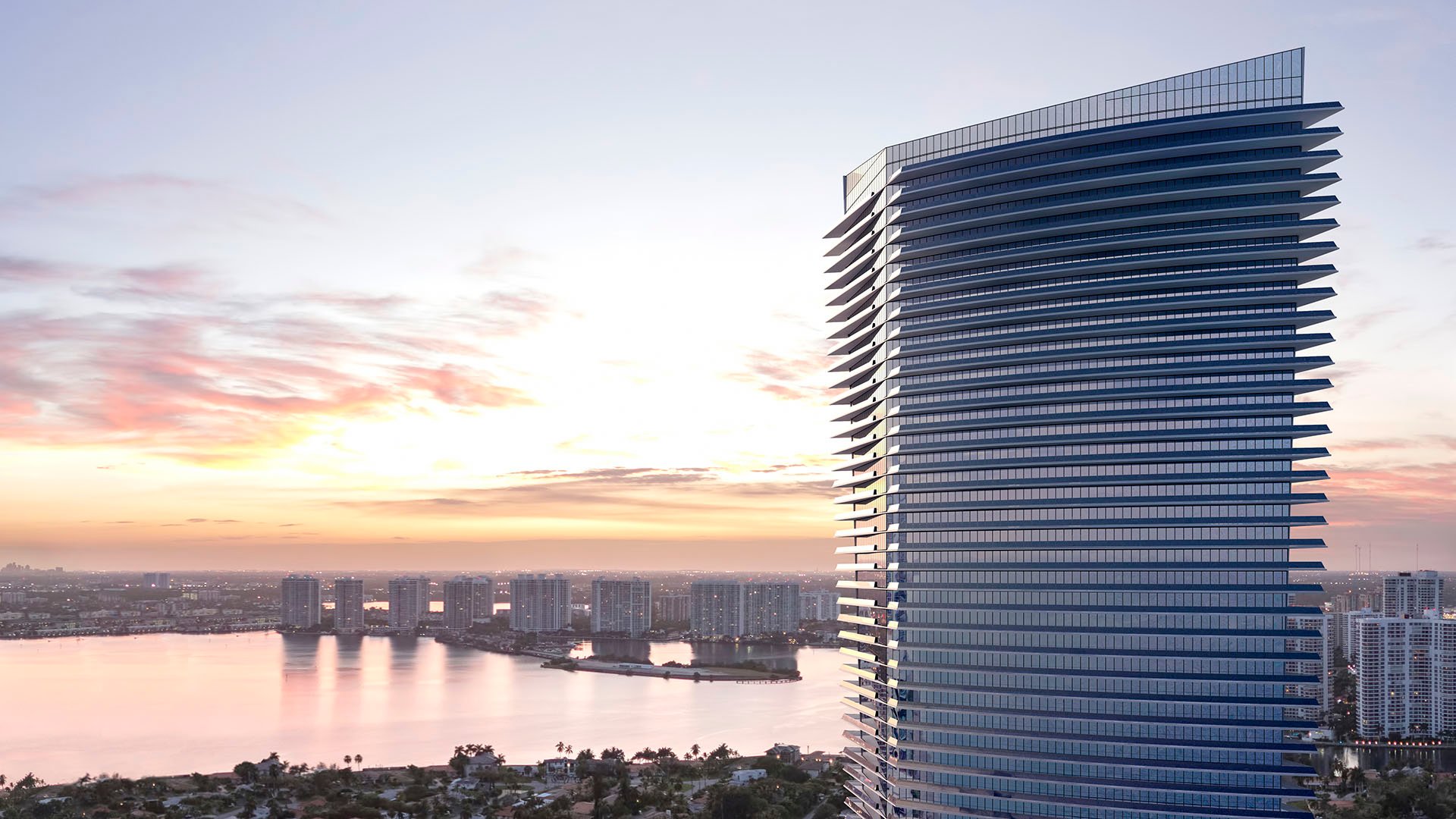
For a buyer leaving Dubai for Surfside, the residence may represent a lifestyle shift, a capital allocation or both. Yet the elegance of the decision should not obscure its mechanics. Before signing, the buyer needs a coordinated plan encompassing legal review, closing liquidity and the possibility that the economics of ownership may change before or after completion.
The first distinction is fundamental. A pre-construction purchase is governed principally by the contract executed with the developer. A resale in an existing building requires close examination of the condominium association, including structural inspections, reserves, budgets, insurance and assessments. These are related forms of diligence, but they are not interchangeable.
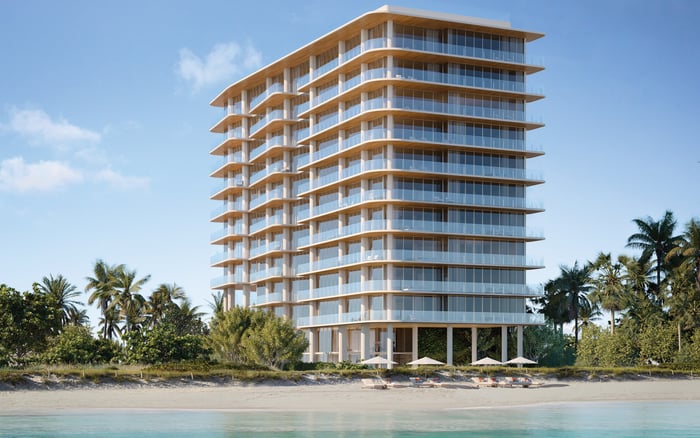
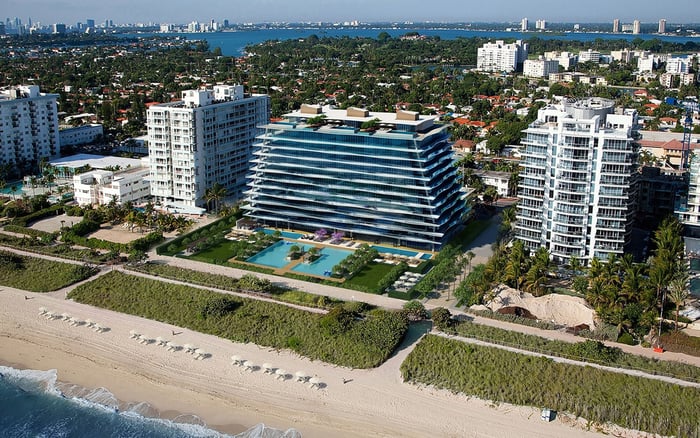
Buyers considering contemporary Surfside addresses such as The Delmore Surfside should treat the purchase agreement as a bespoke financial obligation, not a routine reservation form. Those assessing an established residence such as Ocean House Surfside need a separate, association-level inquiry into the building’s current and prospective costs.
The central question is not simply whether a buyer can close today, but whether the purchase remains comfortable if conditions change.
Qualified Florida counsel should review the contract before execution. The buyer’s team should identify every payment date, condition of closing, notice requirement, permitted delay, default consequence and remedy stated in the document. Any understanding reached during a sales conversation should be reconciled with the written agreement, not treated as an independent assurance.
Assignment deserves its own written analysis. There is no basis for assuming a universal assignment right, consent standard, fee structure or remedy across Surfside projects. Buyers should avoid relying on experience with Dubai transactions, prior Florida purchases or informal market convention. Counsel should determine whether the specific contract permits assignment, whether consent is required, which conditions apply and what happens if an attempted transfer is not accepted.
This matters because assignment flexibility can influence exit planning, but it should never replace the ability to close. A buyer comparing design-led properties such as Arte Surfside should underwrite the acquisition on the assumption that the original purchaser may need to perform in full unless the signed contract clearly provides otherwise.
Cross-border buyers should map the entire funding chain well before closing. The plan should identify which funds are reserved for deposits, which remain available for the closing balance and which will be retained after closing for carrying costs or unanticipated obligations. Currency exposure, transfer timing, internal banking approvals and documentation should be addressed with the buyer’s financial, tax and legal advisers.
The prudent test is not whether the funds exist on signing day, but whether they will remain accessible if closing occurs later than expected, another asset sale is delayed or market liquidity tightens. A luxury purchase becomes fragile when completion depends on a single, narrow funding event.
An investment model should include both a base case and a more demanding scenario. The latter can assume higher recurring costs, slower resale velocity and a longer holding period. For an oceanfront home, this discipline is particularly relevant because insurance, reserves and capital work can increase the true carrying burden beyond the headline purchase price.
The June 2021 partial collapse of Champlain Towers South killed 98 people and prompted demands for stronger condominium-safety regulation. Florida enacted Senate Bill 4-D in May 2022, establishing statewide inspection and reserve-funding requirements for condominium and cooperative buildings with at least three habitable stories.
Covered buildings generally face an initial milestone structural inspection at 30 years, followed by recurring inspections every 10 years. The original 2022 framework imposed an earlier 25-year trigger for buildings within five miles of the coast. Because the rules were amended in 2023 and again in 2025, buyers should verify the current trigger, deadline and compliance status for the specific building rather than rely on the original framework. The 2025 changes retained milestone inspections and Structural Integrity Reserve Studies as central features.
A Structural Integrity Reserve Study evaluates how much an association should save for major structural repairs and replacements. Covered associations must maintain dedicated funds for structural work, with full funding of covered structural reserves rather than routine waiver or material underfunding. These studies generally recur every decade, making reserve planning an enduring ownership consideration rather than a one-time compliance exercise.
For an existing condominium, the latest milestone report and reserve study are starting points, not the full review. Buyers should also examine the current budget, reserve schedule, insurance costs, board minutes and any pending assessments. Counsel and appropriate technical advisers can help identify completed work, unresolved findings, funding decisions and matters still under discussion.
Inspection findings can reveal deferred capital needs. The response may involve higher reserve contributions, special assessments or both after closing. Rising insurance premiums for coastal condominiums can add another layer to recurring costs. Viewed in isolation, a low current monthly fee is therefore not reliable evidence of long-term affordability.
This level of scrutiny applies even when the building and residence offer exceptional discretion and design. Buyers exploring Fendi Château Residences Surfside or The Surf Club Four Seasons Surfside should still determine how the association’s documented obligations translate into their anticipated share of future costs.
Liquidity has two meanings in this market. The first is the buyer’s ability to deliver funds at closing. The second is the property’s potential resale liquidity after acquisition. Higher fees and assessments can pressure owners to sell while making units more expensive for the next buyer to carry. That combination can affect both negotiating leverage and the time required to exit.
A disciplined buyer should translate association information into a multiyear ownership model. The model can distinguish among regular common charges, insurance-related increases, identified assessments, reserve contributions and a contingency for matters not yet finalized. It should also preserve sufficient cash to avoid a forced sale if the market slows.
The essential sequence is straightforward: review the contract before signing, confirm assignment language in writing, maintain independent capacity to close, investigate the association and stress-test post-closing costs. The goal is not to eliminate uncertainty, but to ensure that uncertainty does not control the transaction.
Surfside remains a distinctive expression of South Florida coastal living, but sophistication here is measured as much by preparation as by taste. Contractual obligations, building safety, reserve funding and personal liquidity should be considered together before capital becomes irrevocably committed.
Discuss your Surfside strategy and closing plan with MILLION.
If branded residences are on your mind — as a home or as an allocation — we would be glad to share what we are seeing, privately.
Begin a quiet conversationThe agreement controls payment dates, closing obligations, notices, defaults and remedies. Florida counsel should review those provisions before capital is committed.
No. Assignment rights, consent requirements and conditions must be confirmed in the specific written contract.
An assignment may be restricted or unavailable under the contract. The buyer should remain financially prepared to complete the purchase.
Preconstruction review focuses on the purchase contract and closing exposure. Resale diligence focuses on the association, inspections, reserves, insurance and assessments.
It is a structural inspection required for covered aging condominium and cooperative buildings. Covered buildings generally face an initial inspection at 30 years and recurring inspections every 10 years.
It evaluates how much an association should save for major structural repairs and replacements. The studies generally recur every decade.
Review the latest milestone report, reserve study, budget, reserve schedule, insurance costs, board minutes and pending assessments.
No. Inspections, reserve requirements, insurance increases and assessments may materially change future ownership costs.
Higher fees and assessments can pressure existing owners while making the property more expensive for future buyers to carry.
Florida changed the post-Surfside framework in 2023 and 2025. The applicable trigger, deadline and compliance status should be confirmed for the specific building.