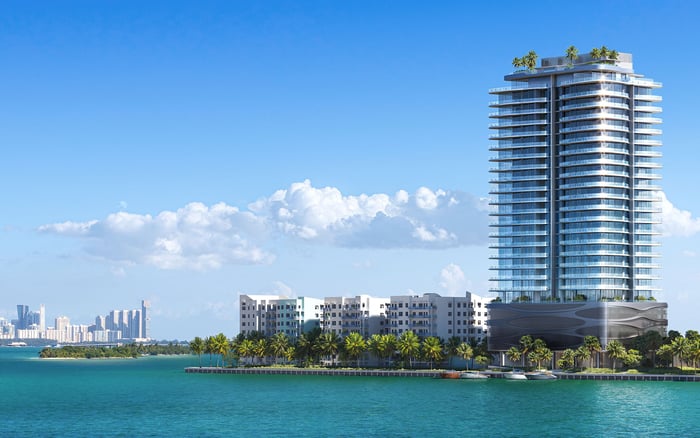
At Continuum Club & Residences North Bay Village, ownership structure deserves the same attention as the residence itself. Primary-residence eligibility, family succession, lender acceptance and deed-record privacy can point toward different solutions.
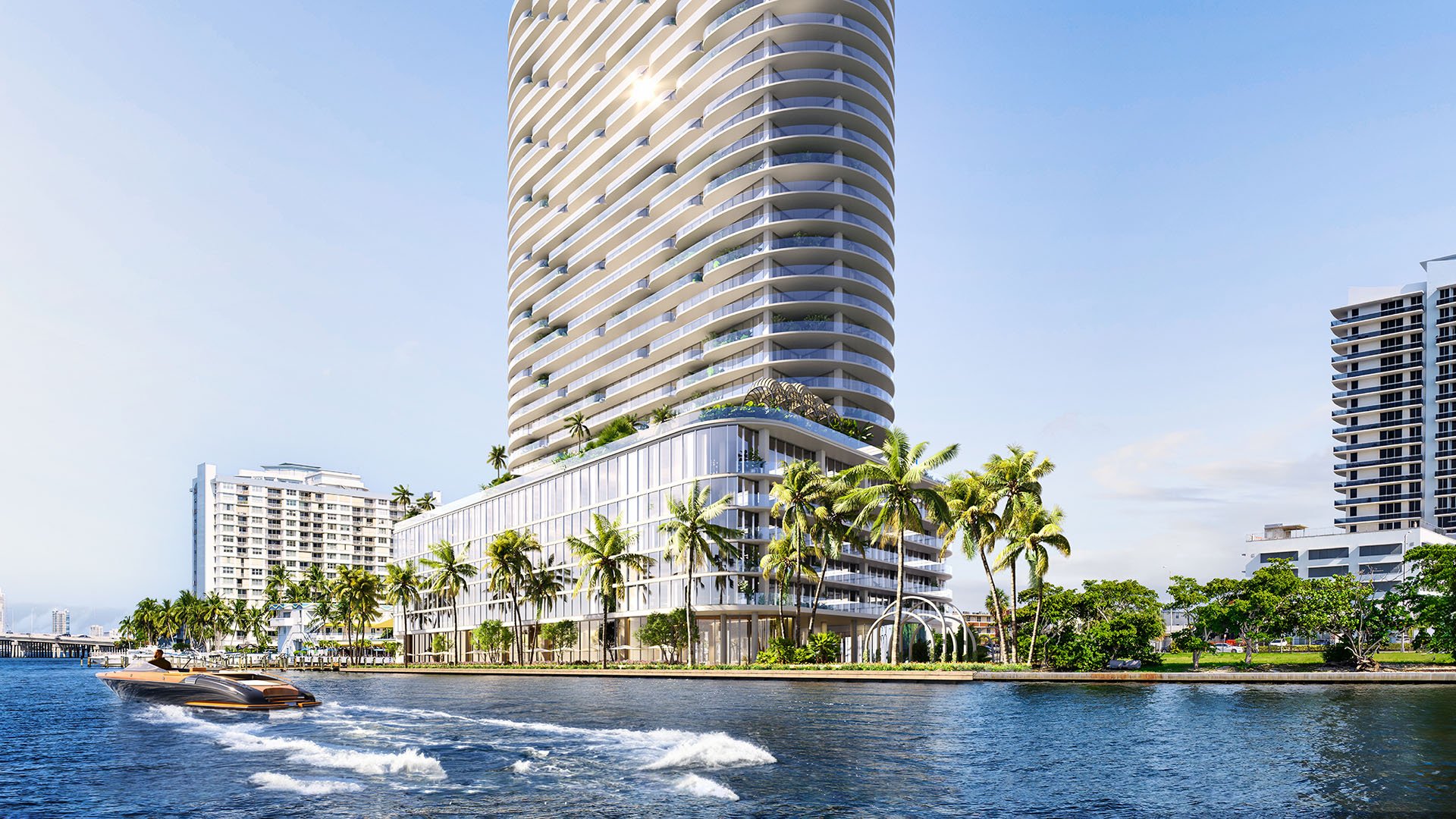
For a buyer considering Continuum Club & Residences North Bay Village, the most consequential decision may not be the floor plan. It may be whose name, entity or trustee appears on the deed. A structure chosen for family succession can work against homestead tax eligibility; one chosen for discretion may still require disclosures elsewhere.
The starting question is practical: will this be a primary residence, a second home or an asset intended for several generations? The answer should guide the conversation among Florida counsel, tax advisers and the proposed lender before the ownership structure becomes a contractual commitment.
Waterfront ownership does not resolve those competing priorities. The goal is not the most elaborate structure, but one that keeps legal rights, financing requirements and family purpose aligned.
Continuum is a bayfront condominium development under construction at 1755 John F. Kennedy Causeway, also identified as 1755 79th Street Causeway. Continuum Company is developing the project in partnership with Aksoy Holdings. As of May 2025, the planned tower was 32 stories and 340 feet tall, with 198 condominium residences and penthouses.
For document review, two other names matter: 1755 JFK Owner LLC, a Delaware limited liability company identified as the developer, and 1755 JFK Causeway Condominium, the condominium’s legal name. Counsel should reconcile the marketing identity with the entities and property descriptions in the transaction documents.
New-construction due diligence should also distinguish the intended ownership arrangement from the permissions it requires. The legal availability of a trust or LLC does not establish that a particular purchase contract permits it, allows a later assignment to it or waives consent requirements.
Florida’s homestead property-tax exemption depends on qualifying ownership and primary-residence requirements. Purchasing a condominium-even with a clear intention to live there eventually-does not automatically establish eligibility.
Ordinary LLC ownership generally does not qualify for that exemption. This creates a direct conflict for a household considering an LLC to organize family ownership or pursue liability-planning objectives while expecting primary-residence tax treatment. Do not choose the entity first and treat the exemption as an administrative detail afterward.
Homestead property-tax treatment is also distinct from constitutional creditor protection and inheritance and spousal restrictions. Ask Florida counsel to analyze each separately. A favorable answer under one set of rules does not settle the other two.
Second-home planning starts from a different premise: if the residence will not satisfy primary-residence requirements, do not build the ownership decision around an assumed homestead exemption. Assess the intended use before comparing structures.
A properly structured Florida land trust can preserve homestead tax eligibility for a qualifying beneficiary. Certain trust interests, including a qualifying life beneficial interest, can support that treatment. What matters is the resident’s rights, not whether the document includes the word “trust.”
In a qualifying land-trust arrangement, the beneficiary seeks the exemption as beneficial owner, subject to residency and other eligibility requirements. Trust ownership alone is no guarantee, and a revocable trust should not automatically be treated as equivalent to a Florida land trust.
For multigenerational planning, counsel should test the proposed documents against the family’s intentions: who will reside there, who will control decisions, what rights other beneficiaries receive and what happens after a death or proposed transfer. Multiple heirs and later changes warrant review before the structure is finalized.
A buyer also considering Shoma Bay North Bay Village should bring those same questions to a separate document review rather than assume neighboring projects share ownership permissions.
A Florida land trust can offer deed-record privacy because county property records identify the trustee rather than the beneficiary. That is a specific benefit, not a promise of confidentiality in every setting.
LLC ownership places the entity’s name on the deed, but corporate filings may identify managers or associated individuals. Neither approach guarantees anonymity from lenders, the association or tax authorities, nor does it eliminate other required disclosures.
A land trust also provides no standalone creditor protection. Keeping a beneficiary’s identity out of the deed record is different from shielding that beneficiary’s assets from creditors. Families seeking both discretion and protection need a separate analysis of each objective.
For a Miami Beach comparison such as Five Park Miami Beach, the same distinction applies: define the desired privacy outcome, then examine the transaction’s disclosure requirements. Do not infer another building’s policies from Continuum’s location or positioning.
Developer financing and an individual purchaser’s mortgage are separate matters. The $350 million in financing for the Continuum North Bay Village project disclosed in April 2026 does not establish mortgage availability for a buyer or lender acceptance of a particular ownership vehicle.
Before committing to a structure, ask the proposed lender to review the intended borrower, title holder and beneficial ownership. Seek written confirmation that the lender will accept the contemplated land trust, revocable trust, LLC or layered arrangement, along with the documentation and conditions that would apply.
Do not assume a cash purchase followed by refinancing removes the issue. If later borrowing is part of the plan, review the intended structure with a lender as well. Likewise, evaluate any proposed post-closing transfer against loan documents, contract provisions and condominium requirements rather than treating it as routine housekeeping.
The final review should bring the purchase contract, condominium documents, estate plan and financing terms into one conversation. Confirm permitted ownership structures, beneficial-owner disclosures, assignment provisions, rental restrictions and any consent requirements. These are project-specific questions; the answers should not be presumed.
Ask advisers to examine both the closing arrangement and the next anticipated change: a resident beneficiary’s death, a transfer to heirs, a refinancing or a different use of the home. The ownership plan should address those possibilities without promising that today’s homestead treatment or lender acceptance will continue unchanged.
These are general planning considerations requiring Florida counsel, not a project-specific legal determination. A well-considered purchase makes the trade-offs explicit before the family signs-not when title or financing must change.
For a discreet conversation about your South Florida residential search, connect with MILLION.
If branded residences are on your mind — as a home or as an allocation — we would be glad to share what we are seeing, privately.
Begin a quiet conversationThe bayfront development is at 1755 John F. Kennedy Causeway in North Bay Village, also identified as 1755 79th Street Causeway.
It is a development under construction. Its May 2025 specifications described a 32-story tower with 198 condominium residences and penthouses.
No. Florida homestead tax eligibility depends on qualifying ownership and primary-residence requirements, not the purchase alone.
Ordinary LLC ownership generally does not qualify. Buyers seeking primary-residence tax treatment should review the proposed structure with Florida counsel before committing.
A properly structured Florida land trust can preserve eligibility for a qualifying beneficiary. The beneficiary’s rights, residency and other eligibility requirements remain important.
Certain interests, including a qualifying life beneficial interest, can support homestead treatment. A trust’s label alone does not establish eligibility.
No. Property-tax exemption, constitutional creditor protection and inheritance or spousal restrictions require separate legal analysis.
No. It can provide deed-record privacy, but does not establish confidentiality from required disclosures or provide standalone creditor protection.
No. Developer financing does not establish individual mortgage availability or lender acceptance of a trust, LLC or other ownership structure.
Review the purchase contract, condominium documents, estate documents and proposed financing terms together. Confirm ownership permissions, disclosures, assignment provisions, rental restrictions and consent requirements.