A buyer-focused framework for reviewing dispute provisions in a North Bay Village condominium purchase, from statutory and private arbitration to venue, fees, deadlines, and remedies.
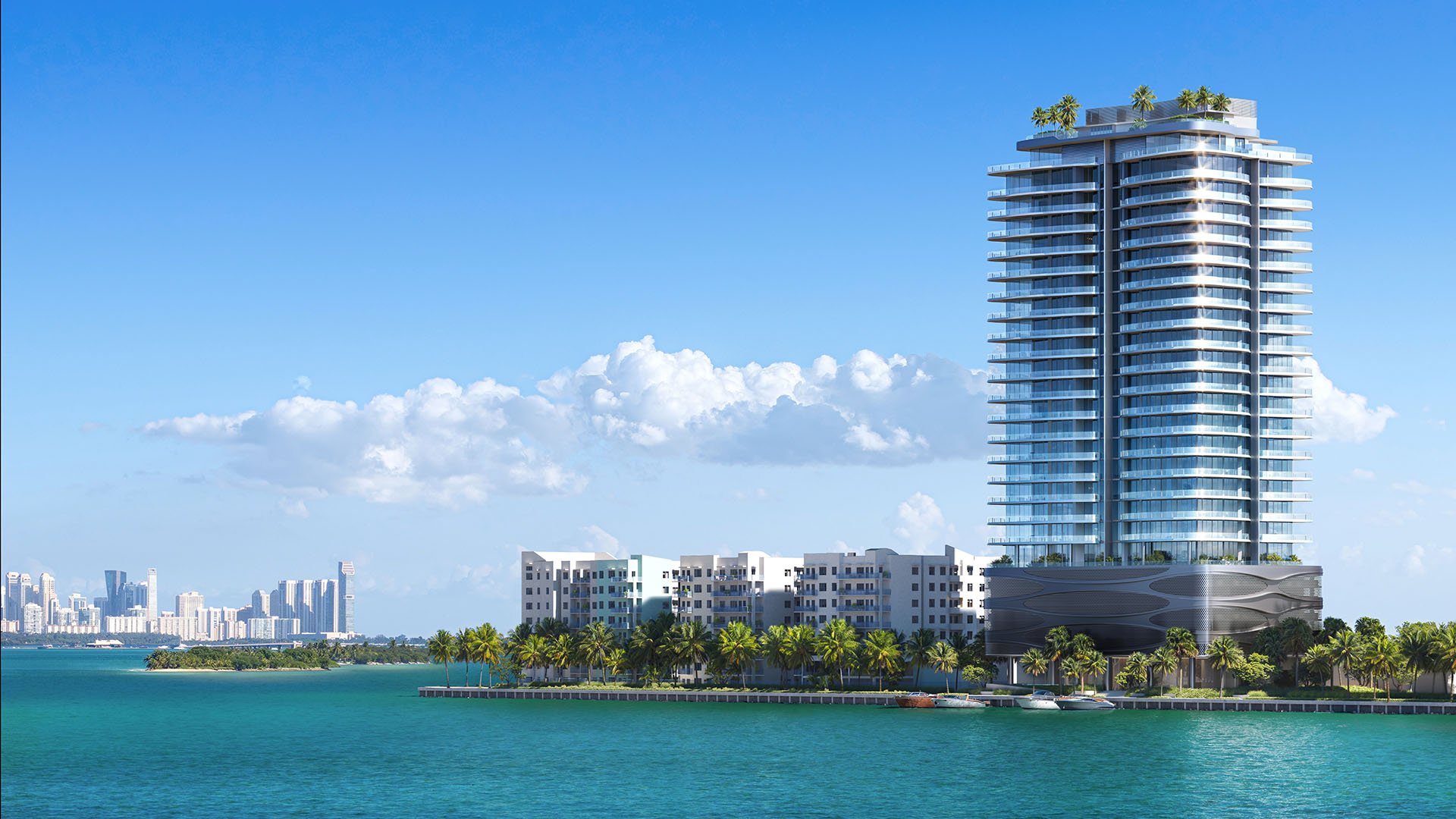
In a boutique condominium acquisition, privacy, waterfront orientation, design, and scarcity may command the opening conversation. Yet dispute provisions can shape the value of every contractual promise. They determine where a disagreement may be heard, whether a buyer can reach court, how much information can be obtained, which remedies remain available, and what it may cost to proceed.
That review is especially important in a pre-construction purchase, where the buyer signs before delivery and may rely on a suite of interlocking documents. The purchase agreement is only the beginning. Counsel should reconcile it with the draft declaration, bylaws, warranty documents, escrow provisions, and any separate deposit agreement. Different instruments may direct different claims to different forums.
A disciplined approach applies whether the residence under consideration is at Continuum Club & Residences North Bay Village or another local offering. The objective is not to assume a dispute, but to understand its architecture before capital is committed.
The value of a contractual right depends partly on the cost and procedure required to enforce it.
Florida generally requires certain residential condominium disputes between unit owners and associations to enter state-administered, nonbinding arbitration before litigation. That statutory pathway is distinct from private binding arbitration stipulated in a developer's purchase-and-sale agreement.
The distinction matters because the statutory definition of a condominium dispute is limited. A controversy concerning a deposit, title, damages, warranties, delay, or construction defect may not necessarily qualify for the statutory process. The parties, claim, requested relief, and governing document all matter.
After statutory nonbinding arbitration, a party may seek a trial de novo, subject to statutory deadlines and possible fee consequences. The process can also become binding if all parties agree, in a writing filed in the arbitration, to be bound. Administrative eligibility generally concerns residential units, although a nonresidential condominium may qualify when its declaration adopts the statutory process.
Private arbitration requires a separate inquiry. A broadly drafted purchase agreement may encompass contract, tort, statutory, deposit, delay, defect, and warranty claims. Some provisions require mediation first, followed by binding arbitration, potentially under the Federal Arbitration Act. Buyers comparing Shoma Bay North Bay Village with other opportunities should have each document reviewed rather than infer terms from location, scale, or sales presentation.
Start with scope. Identify who is bound, including the developer, association, affiliates, contractors, brokers, successors, and individual owners. Then determine which claims are covered and which are carved out. A clause may preserve access to court for injunctions or lien remedies while directing damages claims elsewhere.
If mediation comes first, verify the required notice, response period, mediator-selection method, location, deadlines, and allocation of costs. Determine whether mediation pauses any contractual limitation period. A procedural step that appears collaborative can become consequential if it delays access to emergency relief or creates another condition that must be satisfied precisely.
For private arbitration, confirm the administrator, governing rules, number and selection of arbitrators, hearing location, discovery limits, confidentiality terms, and authority to grant interim relief. Compared with litigation, arbitration may restrict document production, depositions, and appellate review. Those limits can reduce some burdens, but they can also affect leverage when technical evidence or information controlled by the opposing party is central.
Venue usually identifies the geographic place where a proceeding occurs. A forum-selection clause can go further by naming a court system, arbitral forum, or other adjudicative setting. Florida courts distinguish mandatory clauses from permissive language that merely accepts jurisdiction or venue.
Words such as “exclusive,” “only,” “must,” and “shall” generally signal a mandatory selection. If covered litigation must proceed exclusively in Miami-Dade County, a buyer ordinarily should expect to file there, even if the buyer resides elsewhere. Contractual forum-selection clauses are generally presumed valid and enforceable, so resisting one can impose a substantial burden.
This deserves particular attention for an international or out-of-state investment buyer. Travel, local counsel, witness logistics, document handling, and hearing attendance can become significant cost centers. The same care is warranted when comparing North Bay Village with Miami Beach opportunities. The locations may appear close on a map while their contractual forums and procedural routes remain materially different.
No reliable dispute budget can be derived from the residence price alone. The estimate depends on claim value, administrator, governing rules, number of arbitrators, fee allocation, expert needs, discovery, hearing length, and location.
The buyer's model should include mediation charges, arbitration filing and administration fees, arbitrator compensation, attorneys' fees, expert and inspection costs, travel, document management, hearing facilities, and award enforcement. It should also account for any prevailing-party fee provision, cost-sharing formula, damage limitation, and risk that an unsuccessful procedural move shifts additional fees.
Notice deadlines and inspection prerequisites belong in the same analysis. A valuable claim can become impractical if the contract imposes an abbreviated notice process, requires a technical inspection before filing, limits recoverable damages, or prevents recovery of categories needed to make the buyer whole. Conversely, a clear route to interim injunctive relief may be critical when money damages would not adequately protect the property or contractual position.
The waterfront setting does not alter these principles. A purchaser reviewing Tula Residences North Bay Village should request a written cost map tied to that transaction's documents, rather than accept a generic statement that arbitration is faster or less expensive.
Nearby developments can provide useful lifestyle and pricing context, but they are no substitute for document-level diligence. A buyer considering Onda Bay Harbor alongside a North Bay Village residence should review each agreement independently. Similar architecture, delivery stage, or waterfront positioning does not establish similar dispute language.
Sophisticated buyer's guides should therefore move beyond finishes and amenities. The comparison should ask whether each contract requires mediation, whether arbitration is binding, whether court remedies survive, which venue is exclusive, how an arbitrator is chosen, and who funds the process. It should also identify inconsistencies among the purchase agreement, declaration, bylaws, warranties, escrow terms, and deposit documents.
Before signing, request a clause-by-clause memorandum that answers five practical questions. First, which disputes enter statutory arbitration, private arbitration, or court? Second, which steps and deadlines must precede filing? Third, where will the matter proceed, and under which rules? Fourth, which rights to discovery, emergency relief, damages, and review remain available? Fifth, who pays at each stage, including enforcement?
The memorandum should test several realistic scenarios, such as a deposit controversy, alleged delay, warranty claim, claimed defect, title issue, or association dispute. The goal is not to predict an outcome, but to reveal whether the promised remedy remains usable after procedural conditions, cost allocation, and forum restrictions are applied.
For a discreet review of South Florida condominium opportunities and transaction priorities, connect with MILLION.
If branded residences are on your mind — as a home or as an allocation — we would be glad to share what we are seeing, privately.
Begin a quiet conversationNo. Covered statutory condominium arbitration is generally nonbinding, although all parties may agree in a filed writing to make it binding.
No. The statutory Chapter 718 process is distinct from binding arbitration created by a developer's purchase agreement.
No. The statutory definition of a condominium dispute is limited, so some deposit, title, damage, warranty, and defect controversies may follow another path.
A party may seek a trial de novo, but statutory deadlines and potential fee consequences can make that decision economically significant.
Terms such as “exclusive,” “only,” “must,” and “shall” generally signal a mandatory clause rather than optional consent.
It ordinarily requires covered litigation to be filed in Miami-Dade County, even when the buyer lives elsewhere.
Review notice requirements, deadlines, mediator selection, location, cost allocation, and whether mediation affects other filing periods.
Confirm the administrator, rules, arbitrator selection, hearing location, discovery limits, confidentiality, and access to emergency relief.
Include filing, administration, mediator, arbitrator, legal, expert, inspection, travel, hearing, and award-enforcement expenses.
Reconcile the purchase agreement with the declaration, bylaws, warranties, escrow provisions, and any separate deposit agreement.