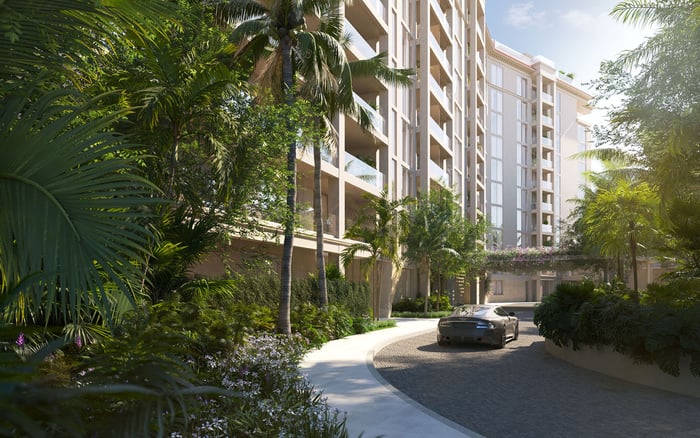
A buyer-focused framework for evaluating wellness amenities at two Ritz-Carlton residential projects, from peak-hour capacity and owner access to air-quality specifications, water treatment, and reservation terms.
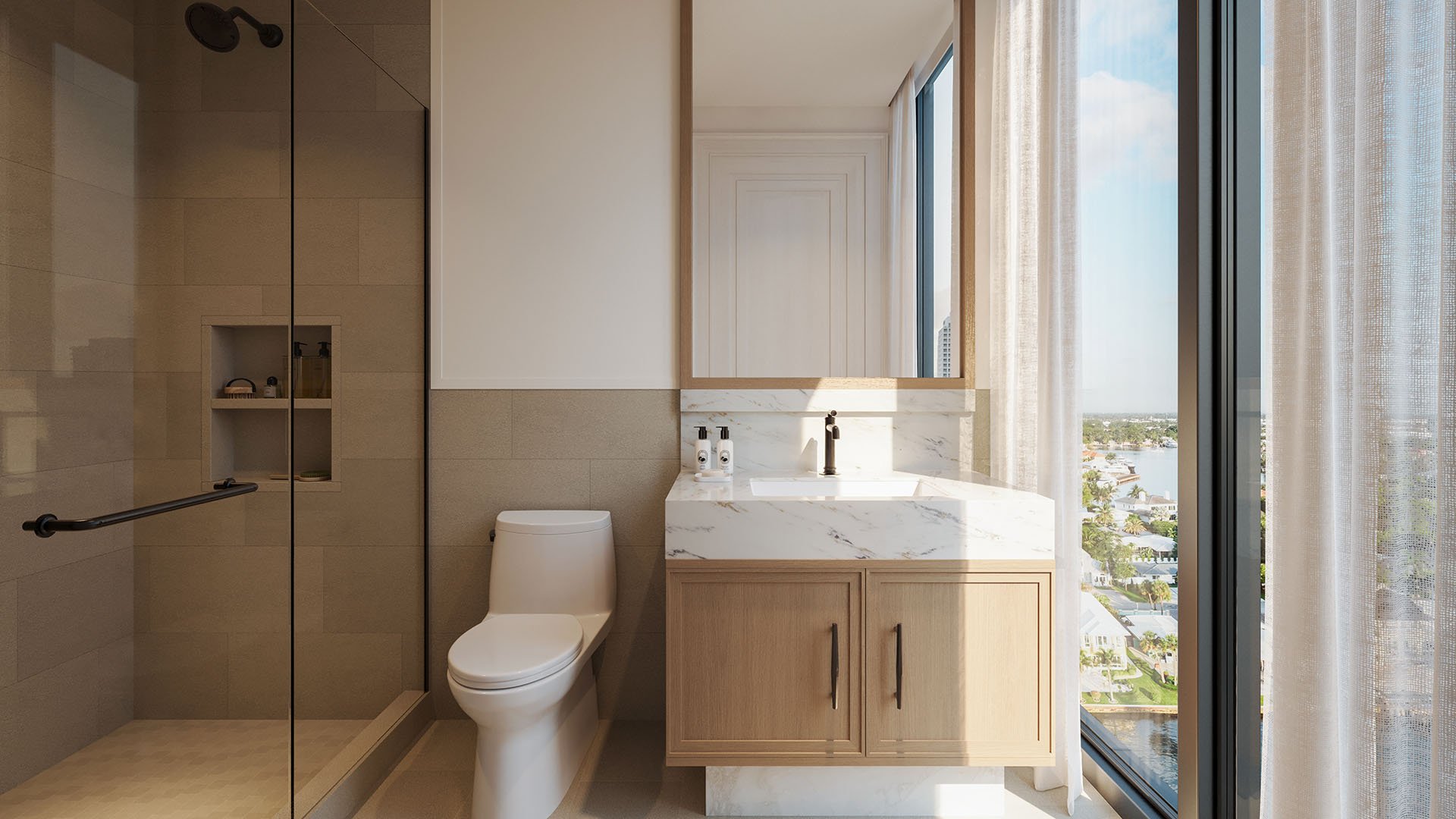
The most persuasive wellness offering fits effortlessly into daily life: a morning swim, an available treatment appointment, and a home with clearly specified air and water systems. For buyers considering The Ritz-Carlton Residences® Fort Lauderdale and The Ritz-Carlton Residences® South Beach, the essential distinction is between an appealing amenity description and a documented ownership benefit.
Four questions should guide the comparison: how many people can comfortably use the facilities, which systems support indoor environmental quality, where water treatment occurs, and what rules govern access. Comparable capacity figures and resident-specific booking terms remain unestablished in the available residential descriptions. Neither project should therefore be presumed to offer superior owner access.
Begin with a written amenity map that separates resident-only spaces, shared facilities, and hotel services available through a separate arrangement. For each, identify the operator, eligible users, charges, and the document establishing the purchaser’s rights.
In Fort Lauderdale, confirm the condominium’s legal property identity in the offering documents and distinguish it from any hotel property under the same brand. Familiar branding is not a basis for applying hotel spa policies to the residential project.
In Miami Beach, the South Beach residential offering describes Ritz-Carlton Spa treatments, a sauna, a steam room, and in-room treatments, but owner booking priority remains unestablished. Review the offering documents rather than relying on marketing statements alone.
The same discipline applies when a shortlist includes Four Seasons Hotel & Private Residences Fort Lauderdale: compare documented residential entitlements, not assumptions drawn from a hospitality name.
Fort Lauderdale’s planned wellness program includes landscaped gardens, lap and leisure pools, private cabanas, a spa with steam and sauna facilities, cold plunges, and a fitness center. The breadth is appealing, but an amenity inventory does not establish practical availability.
Request treatment-room counts, fitness occupancy limits, pool and cabana capacities, and a breakdown of the users entitled to access each facility. Ask whether planned spa staffing supports the advertised service range during peak periods. A room count alone cannot tell you whether an appointment will be available at your preferred hour.
Have the sales and operating teams walk through your intended routine: exercise before breakfast, a weekend cabana, or simultaneous treatments for visiting family. Ask how reservations, walk-ins, guests, and private events would affect each scenario. Where operations remain planned, request the proposed operating assumptions rather than treating them as demonstrated performance.
For South Beach, ask whether hotel pool or spa day-pass users would share any facilities available to residents. Outside access is a relevant question-not proof that day-pass guests compete for any particular residential amenity. Establish precisely which spaces, times, and user groups overlap before drawing conclusions about crowding.
Fort Lauderdale’s “invisible wellness” concept incorporates low-tox materials, advanced water filtration, natural light, improved airflow, and indoor-outdoor layouts. These elements express an intention; they do not establish HVAC filter ratings, outside-air delivery rates, humidity targets, commissioning results, or indoor-air monitoring specifications.
Ask for the mechanical schedules for the specific residence under consideration, distinguishing them from those serving corridors, fitness areas, and spa spaces. Request filter MERV ratings, fresh-air delivery methods, humidity-control targets, and any monitoring provisions. Clarify which features are standard, optional, or subject to selection.
For low-tox materials, request supporting product specifications rather than assuming the phrase represents a uniform standard throughout the building. For air systems, ask what commissioning documentation will be available and when performance will be checked against the design.
Detailed mechanical and air-filtration specifications likewise remain unestablished in South Beach’s publicly described residential offering. Apply the same technical questions to both projects. A lack of public detail is a reason to seek documentation, not evidence that a system is absent or inadequate.
“Advanced water filtration” should begin a conversation, not conclude it. Fort Lauderdale’s treatment technology, its location, and standardized coverage across residences remain unestablished in the marketing description. Detailed water-treatment specifications likewise remain unestablished in South Beach’s public residential amenity descriptions.
Ask whether treatment occurs at the building entry, unit entry, or individual fixtures. Then identify which outlets receive treated water. Do not assume a kitchen installation means showers, baths, or every residence receive the same treatment.
Request equipment specifications, testing results, and a written allocation of maintenance responsibilities. Clarify who replaces consumables, who pays, how service is scheduled, and whether work requires access to the residence. Compare the documented scope of treatment and its upkeep, not the elegance of the terminology.
For Fort Lauderdale, request the rules governing residential spa appointments, payment requirements, arrival times, and cancellations. Confirm the scope of any age restrictions rather than assuming a hotel spa rule applies to residential pools or other facilities.
For South Beach, obtain the operating hours and access terms for each facility owners would use. Hotel spa, fitness, and pool schedules should not be treated as proof of residence-owner access rights.
For each residential purchase, obtain advance-booking windows, owner priority provisions, appointment and session limits, guest allowances, age restrictions, cancellation terms, and no-show charges. Ask whether owners reserve through a dedicated channel and whether priority changes during holidays or private events. Confirm how closures are communicated and which fees apply beyond residential operating charges.
Before committing, assemble a single comparison sheet covering access rights, capacity assumptions, air systems, water treatment, and booking rules. Mark each item as documented, proposed, or awaiting clarification. Keep planned residential amenities distinct from delivered facilities, and have the relevant legal and technical advisers review the materials that matter to your purchase.
The better fit is not necessarily the longer amenity list. It is the residence whose documented systems and operating arrangements most closely support the life you intend to lead.
For a discreet perspective on South Florida residential choices, explore MILLION.
If branded residences are on your mind — as a home or as an allocation — we would be glad to share what we are seeing, privately.
Begin a quiet conversationThe available residential descriptions do not establish comparable capacity figures or resident-specific booking rules. They do not support a conclusion that either project offers better owner access.
The planned program includes landscaped gardens, lap and leisure pools, private cabanas, steam and sauna facilities, cold plunges, and a fitness center. Treat these as planned unless delivery is documented.
Request treatment-room counts, fitness occupancy limits, pool and cabana capacities, staffing assumptions, and eligible user groups. Test those details against your preferred hours and guest needs.
Residential descriptions include spa treatments, a sauna, a steam room, and in-room treatments, but do not establish owner reservation priority. Request written booking terms before assuming preferential access.
Request mechanical schedules, filter MERV ratings, fresh-air delivery methods, humidity targets, commissioning documentation, and monitoring provisions. Distinguish systems serving the residence from those serving common areas.
No such coverage is established by Fort Lauderdale’s marketing description. Confirm treatment location, technology, covered outlets, testing, and maintenance responsibilities.
They should not automatically be treated as residential rules. Confirm which facilities and users any booking or age restrictions actually cover.
Request the cancellation deadline, late-cancellation and no-show charges, and any payment requirements in writing. Confirm that the terms govern the services available to residence owners.
Day-pass availability alone would not establish competition for a specific resident amenity. Confirm whether outside users share the same spaces and operating hours as owners.
Use the offering documents, written access and booking terms, and applicable technical specifications. Keep documented entitlements separate from proposed amenities and unresolved questions.