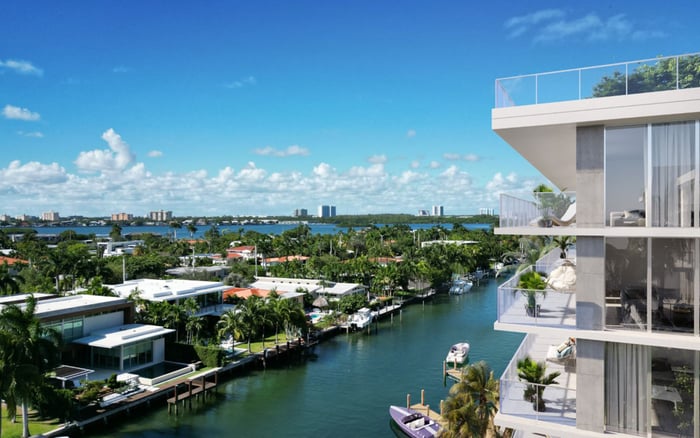
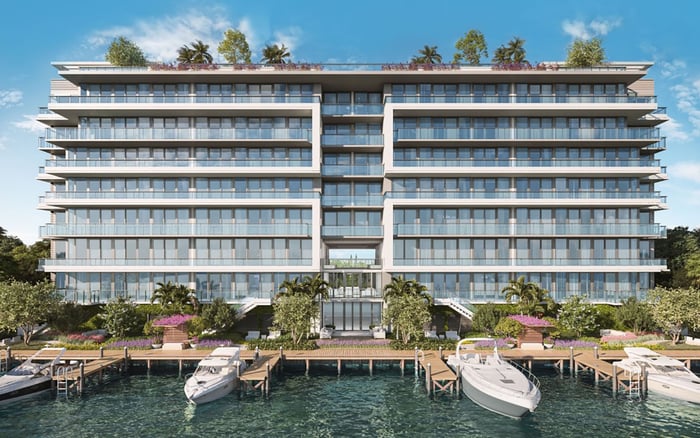
A discreet buyer’s framework for evaluating Origin Bay Harbor Islands through the lens of insurance, reserves, deductibles, flood and wind exposure, and condominium association resilience in 2026.
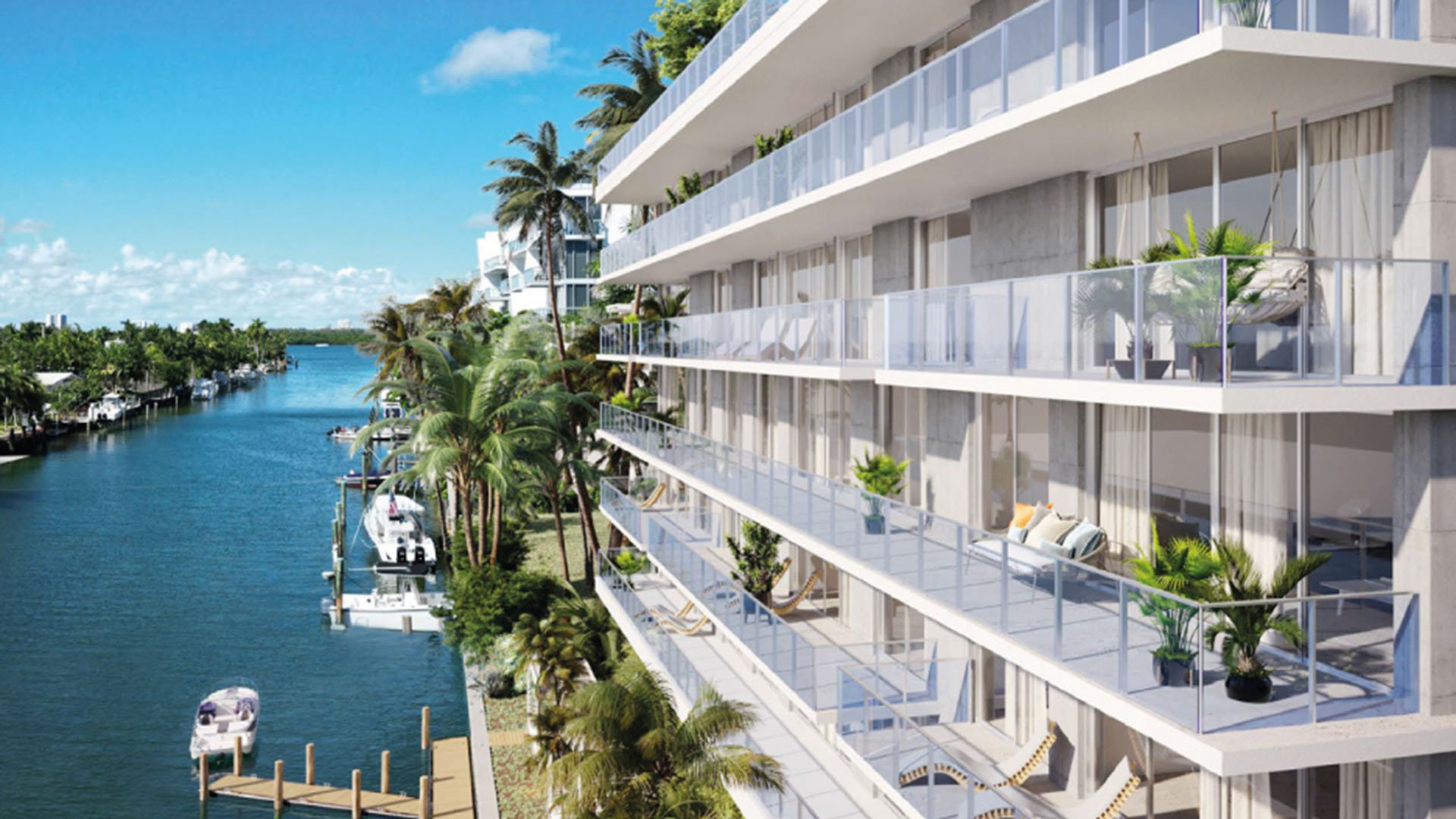
At Origin Bay Harbor Islands, the most sophisticated 2026 buyer is not simply asking whether the residence is beautiful, well located, or aligned with a refined waterfront lifestyle. The more consequential question is whether ownership also means assuming a proportional share of a small, catastrophe-exposed condominium enterprise in coastal South Florida.
That distinction matters. A condominium purchase is never only a private interior, a view, or a parking space. It is also participation in an association responsible for insuring, maintaining, repairing, and governing a physical asset in a market shaped by wind, flood, storm surge, tidal risk, and rising operating costs. For Origin Bay Harbor Islands, the buyer test should begin where luxury marketing often ends: with loss-assessment exposure.
Loss-assessment risk is the possibility that an owner may be asked to contribute money beyond ordinary dues because the association faces an uninsured loss, an under-insured loss, a high deductible, a reserve gap, a special repair, a legal claim, or a budget shortfall. In a boutique condominium, that exposure can be more concentrated because major building-wide costs may be divided among a smaller ownership base than in a large tower.
Boutique living is part of the appeal. It can feel more private, more legible, and more manageable than ownership in a large vertical community. Fewer owners may make governance easier to understand, meetings more meaningful, and building culture more personal. Yet the same intimacy can alter the financial math when the association faces a major casualty or capital repair.
If a building-wide deductible, uninsured component, or urgent repair must be funded by the ownership, the number of people sharing that burden becomes central. A smaller condominium can offer transparency, but it can also create higher per-unit exposure when insurance, repair, or casualty costs arise. That is not a reason to dismiss the boutique format. It is a reason to price it with precision.
For a buyer comparing search categories such as Bay-harbor, Waterview, New-construction, Boutique, and Investment, the headline attraction should be paired with a clear understanding of how the association would respond after a significant event. Newness and finish quality may reduce certain concerns, but they do not replace an insurance and reserve review.
The first practical document is the association’s master insurance policy. A careful buyer should review named-windstorm coverage, flood coverage, exclusions, limits, deductibles, and how deductibles would be allocated. The point is not merely to confirm that coverage exists. It is to understand what happens when a loss reaches the edges of that coverage.
Coverage limits should be compared with realistic replacement-cost exposure, not only with statutory minimums, common assumptions, or polished sales language. In coastal South Florida, the cost to rebuild, repair, dry out, remediate, or replace building systems can move quickly. A high-limit policy may still leave questions if exclusions are broad, deductibles are substantial, or certain components fall outside the association’s protection.
A prudent buyer should ask whether the association has modeled a major wind or flood event. The answer should clarify how deductibles would be treated, whether reserves could absorb part of the impact, and when owners might be assessed. The strongest position is to quantify possible out-of-pocket exposure before contract execution rather than relying on general comfort around new construction or luxury finishes.
Loss-assessment exposure is not limited to hurricanes. It can also arise from reserve underfunding, special repairs, legal claims, uninsured components, or budget pressure from rising insurance premiums. In practice, an assessment may be triggered by a dramatic event, but it may also emerge from accumulated financial stress.
The reserve schedule deserves particular attention. It should be read alongside the budget, meeting minutes, engineering materials, and any pending special-assessment disclosures. Buyers should look for signs that the association is planning for major building components rather than simply balancing a current-year budget. A low monthly carrying cost can feel attractive, but it should not be confused with long-term resilience.
Meeting minutes can be especially revealing because they often show how directors discuss repairs, premium increases, claim issues, owner delinquencies, and maintenance priorities. Engineering reports, if available, help translate building condition into future capital needs. The declaration can clarify what the association must maintain and what individual owners must carry themselves.
Personal HO-6 coverage and loss-assessment coverage should be evaluated before closing, not treated as an administrative task afterward. The owner’s policy may become important where interior improvements, personal property, additional living expenses, or association assessments are involved. A buyer should ask an insurance professional to explain how the personal policy interacts with the master policy, especially after wind or flood events.
The key is coordination. If the master policy excludes certain items and the personal policy does not respond either, the owner may discover a gap only after the loss. If the association imposes an assessment tied to a deductible or uninsured event, the buyer should understand whether personal loss-assessment coverage could respond, and if so, under what conditions and limits.
This is not legal, insurance, or financial advice. It is a framework for better questions. At the ultra-premium level, diligence should feel as bespoke as the residence itself.
Origin Bay Harbor Islands occupies a setting where waterfront living is central to the value proposition. That makes wind, flood, storm-surge, and tidal-risk diligence more relevant, not less. The lifestyle case and the risk case should be studied together because both shape ownership quality.
A discerning buyer should ask three questions. First, what is the association’s plausible worst-case owner exposure after a major insured event with a large deductible? Second, what is the plausible exposure after an under-insured or uninsured event? Third, what is the plausible exposure if premiums, repairs, or reserves create budget pressure over several years?
The answers may not produce a single perfect number, but they should produce a range. That range can then be weighed against the purchase price, the monthly carrying cost, the buyer’s liquidity, and the intended use of the residence. For some buyers, the boutique profile will remain compelling because privacy, scale, and location outweigh the added financial concentration. For others, assessment sensitivity may affect the bid, the contract structure, or the required insurance planning.
The right approach is not fear. It is underwriting. In 2026, the strongest Origin buyer is the one who understands both the physical asset and the condominium association’s financial resilience before becoming part of it.
What is loss-assessment exposure at Origin Bay Harbor Islands? It is the possibility that owners may be asked to contribute beyond regular dues for uninsured losses, deductibles, reserve gaps, repairs, claims, or budget shortfalls.
Why does boutique scale matter for assessments? In a smaller condominium, major building-wide costs may be divided among fewer owners, which can increase the per-unit impact of a large expense.
Should buyers focus only on hurricane risk? No. Wind and flood matter, but assessments can also arise from reserves, legal claims, uninsured components, special repairs, and rising premiums.
What insurance documents should a buyer request? Buyers should review the master policy, insurance certificates, named-windstorm terms, flood coverage, exclusions, limits, and deductible provisions.
How should insurance limits be evaluated? Limits should be compared with realistic replacement-cost exposure, not merely with minimum requirements or broad assumptions about new construction.
What association documents are most important? The declaration, budget, reserve schedule, engineering reports, meeting minutes, and any pending special-assessment disclosures are central to the review.
Is a new building automatically safer from assessments? Not automatically. Newer construction may help with some concerns, but it does not eliminate deductibles, exclusions, reserve needs, or budget pressure.
When should HO-6 coverage be discussed? It should be reviewed before contract execution so the buyer understands personal coverage, loss-assessment coverage, and possible gaps.
What is the best pre-contract question to ask? Ask how a major wind or flood event has been modeled and how any deductible or uninsured loss would be allocated among owners.
Is Origin Bay Harbor Islands still an attractive purchase? It can be, provided the buyer balances lifestyle appeal with a clear view of insurance, reserves, deductibles, and association resilience.
When you're ready to tour or underwrite the options, connect with MILLION.
If branded residences are on your mind — as a home or as an allocation — we would be glad to share what we are seeing, privately.
Begin a quiet conversation