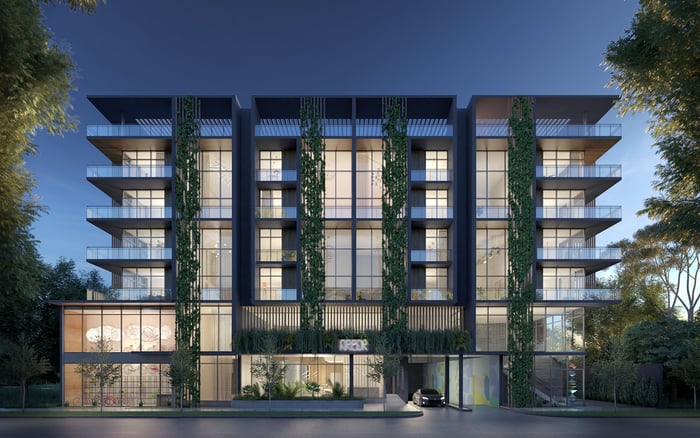
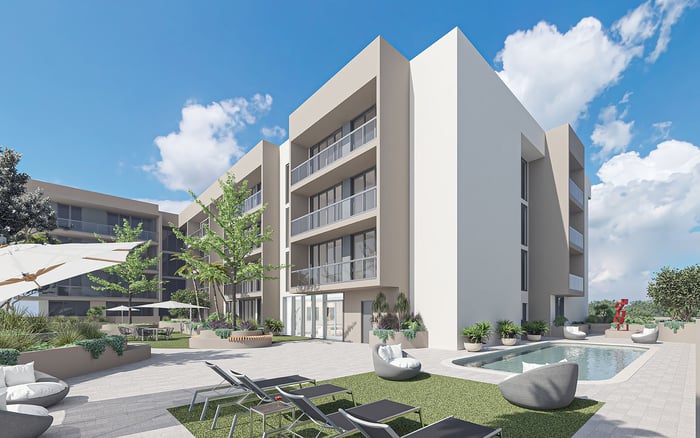
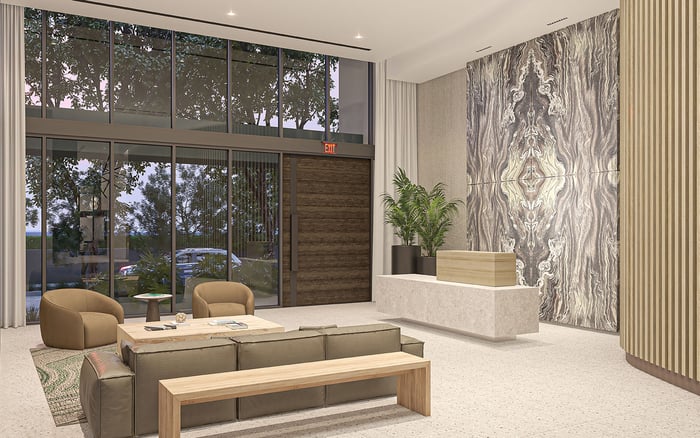
A practical buyer-focused look at how full-time owners should evaluate amenity wait times at Opus Coconut Grove, from elevators and valet to pool seating and wellness access.
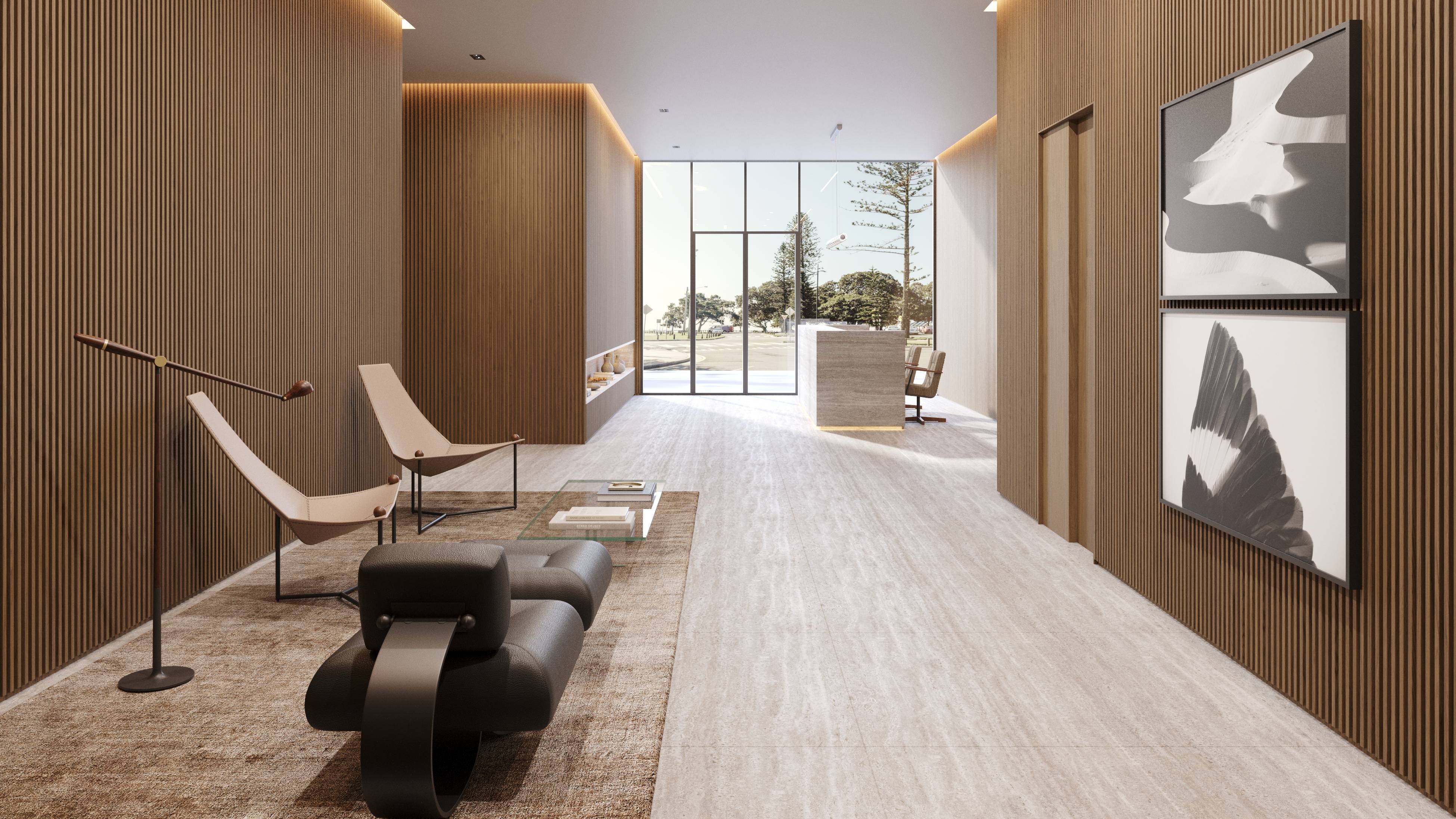
For a primary residence, luxury is not measured only by finishes, views, or the elegance of a lobby. It is measured in the quiet minutes before school drop-off, the ease of returning home during a storm, the ability to find a pool chair on a busy weekend, and whether the wellness space remains usable when residents actually want to use it. That is the practical lens through which full-time buyers should view Opus Coconut Grove.
Opus Coconut Grove sits in a market where expectations are high and tolerance for daily friction is low. Coconut Grove buyers often prioritize privacy, calm, and a sense of residential ease. For seasonal owners, a crowded hour may be occasional. For full-time owners, it can become part of the weekly routine.
The central issue is not whether a building has amenities. It is whether those amenities operate gracefully at the moments when owners need them most.
The most important daily-friction points for a full-time owner are elevators, valet, pool seating, and gym or wellness access. Each has its own rhythm, and each should be evaluated under real residential conditions rather than showroom logic.
Elevators matter most during compressed weekday windows. Work, school, appointments, dog walks, deliveries, and building staff movement can all converge in the morning and late afternoon. A building may feel serene at midday and materially different at 8:00 a.m.
Valet performance should be understood during peak-life scenarios: rainy evenings, weekend arrivals, school and work commute windows, and periods when residents and guests arrive together. The important question is not how elegant the arrival court appears, but how it behaves when everyone wants a car at once.
Pool seating is a capacity question, especially on weekends and during seasonal high-use periods. A pool deck that photographs beautifully can still feel tight if lounger availability becomes uncertain. Full-time owners should ask how the building expects to manage demand rather than assume the amenity will always feel open.
Wellness access is equally practical. The relevant test is not whether a gym exists, but whether it is usable before work and in the early evening. Those are the moments when full-time residents are most likely to want treadmills, weights, treatment rooms, or quiet recovery space.
One of the most overlooked questions in any luxury condominium is the difference between deeded unit count and effective occupancy. Two buildings can have a similar number of residences and feel entirely different depending on how many owners live there full-time, how many use the property seasonally, and how often guests or family members are present.
A building with more primary residents can feel busier on weekdays than a similarly sized second-home building. Morning departures, school routines, package activity, service appointments, and evening returns all create patterns of demand. Conversely, a highly seasonal building may feel exceptionally calm for much of the year and then become more active during holidays and peak winter periods.
This distinction is especially relevant for buyers comparing Coconut Grove options such as Four Seasons Residences Coconut Grove, The Well Coconut Grove, and Arbor Coconut Grove. The question is not which amenity list is longest. It is which ownership profile best matches the buyer’s daily life.
Detailed, project-specific operational wait-time data for Opus Coconut Grove has not been publicly disclosed in a way that supports reliable claims about elevator minutes, valet response times, pool-chair availability, or gym crowding. That does not make the questions less important. It makes buyer diligence more important.
A serious buyer should avoid relying on generic luxury language. Terms such as private, curated, wellness-focused, or resort-style can be appealing, but they do not answer how long it takes to get downstairs on a weekday morning or whether the gym feels oversubscribed at 6:30 p.m.
For new-construction and pre-construction purchases, the operational plan can be as meaningful as the amenity rendering. Staffing levels, service elevator protocols, valet procedures, reservation systems, guest policies, and seasonal management practices all influence how a building feels once owners move in.
Buyers should ask how elevator demand is expected to be managed during weekday peaks. Are there service protocols that separate resident movement from staff, deliveries, and move-ins? How are maintenance or service disruptions handled? What happens during high-traffic mornings?
Valet questions should be similarly concrete. How many attendants are expected during peak periods? How are rainy evenings handled? What is the procedure for advance vehicle requests? How does the building plan for guest arrivals, weekend traffic, and overlapping owner departures?
Pool questions should focus on capacity and etiquette. Is lounger use first-come, reservation-based, or managed by staff? How are guests accommodated? Are there seasonal policies for high-demand weekends? Full-time owners should care less about the phrase resort atmosphere and more about whether Sunday afternoon still feels composed.
Wellness questions should address the real schedule of residents. What equipment or spaces are most likely to see peak use? Will any programming reduce open access at certain hours? Are there systems to manage demand if early morning or early evening becomes crowded?
Buyers used to higher-density urban rhythms, including those comparing Coconut Grove with Brickell projects such as 2200 Brickell, may also want to consider how neighborhood lifestyle changes expectations. In the Grove, quiet continuity can be part of the premium.
The best way to evaluate Opus Coconut Grove is to treat amenity access as part of the residence, not as a separate lifestyle bonus. For a full-time owner, the elevator bank is part of the morning routine. The valet court is part of the evening return. The pool deck is part of the weekend. The gym is part of weekday discipline.
This does not diminish the value of design. It sharpens it. A luxury building succeeds when architecture, operations, and ownership patterns work together so residents do not feel the mechanics behind the experience.
For Opus buyers, the right standard is simple: ask whether the building will feel calm not only when it is toured, but when it is fully lived in. That is where the difference between an impressive address and an effortless home is most clearly revealed.
Are exact amenity wait times available for Opus Coconut Grove? Project-specific operational wait-time data has not been publicly disclosed in a way that supports reliable exact estimates.
Which amenity areas matter most for full-time owners? Elevators, valet, pool seating, and gym or wellness access are the main daily-friction points to evaluate.
Why are weekday mornings important? Work, school, appointments, and staff movement can compress elevator demand into a short window.
How should buyers evaluate valet service? Ask about staffing and procedures during rainy evenings, weekend arrivals, and school or work commute periods.
Is pool seating mainly a design issue? No. It is a practical capacity issue, especially on weekends and during seasonal high-use periods.
When is gym access most important to test? Pre-work mornings and early evenings are the key periods for full-time residents.
Why does effective occupancy matter? Seasonal and part-time ownership can change how busy a building feels compared with its deeded unit count.
Can two similarly sized buildings feel different? Yes. A building with more full-time residents can feel busier on weekdays than a second-home-oriented property.
Should buyers ask operational questions before signing? Yes. Staffing, service protocols, valet systems, pool policies, and wellness access should all be reviewed.
Is this only a Coconut Grove concern? No. It applies across luxury markets, but it is especially relevant where buyers expect privacy, calm, and low friction.
If you'd like a private walkthrough and a curated shortlist, connect with MILLION.
If branded residences are on your mind — as a home or as an allocation — we would be glad to share what we are seeing, privately.
Begin a quiet conversation