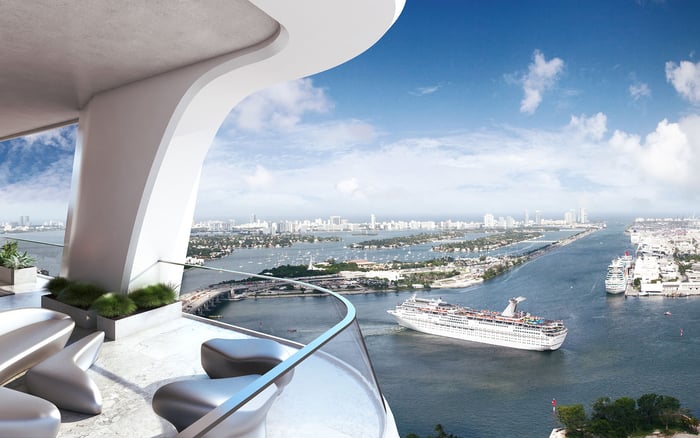
A buyer-focused due diligence guide to evaluating security screening at One Thousand Museum Downtown Miami, from curbside arrival and visitor control to elevators, staffing, resilience, and cybersecurity.

One Thousand Museum Downtown Miami invites a buyer to look beyond visual impact and ask how privacy is protected in daily operation. For a security-screening review, the question is not whether the building appears polished. The better question is whether its access procedures, staffing discipline, resident privacy standards, and emergency planning match the expectations of a luxury household.
This type of due diligence is especially important for buyers evaluating a visible urban condominium environment. A residence can feel private inside the home while still depending on shared arrival points, staffed desks, guest procedures, service routes, elevator permissions, and digital systems. Each layer should be reviewed before a buyer relies on prestige alone.
Security screening begins before a visitor reaches the residence. Buyers should ask how arrivals are handled for residents, invited guests, private drivers, rideshare vehicles, vendors, deliveries, contractors, and service providers. The goal is to understand who may stop, who may wait, who may enter, and who has authority to approve access.
A strong arrival sequence should be clear, consistent, and discreet. It should not depend only on staff recognition or informal familiarity. Ask how unscheduled visitors are treated, where deliveries are held, whether service arrivals are separated from resident arrivals where practical, and how procedures change during evenings, weekends, or high-traffic periods.
For a luxury buyer, verbal reassurance is not enough. Request the current written policies for guest registration, identification checks, vendor logs, package handling, after-hours access, and private events if applicable. Written procedures help show whether the building relies on repeatable standards rather than ad hoc decisions.
The review should also include privacy culture. Buyers should ask how staff are trained to handle resident information, visitor inquiries, photography concerns, and requests from people who are not authorized guests. Discretion is part of security, particularly when a residence is chosen for privacy as much as design.
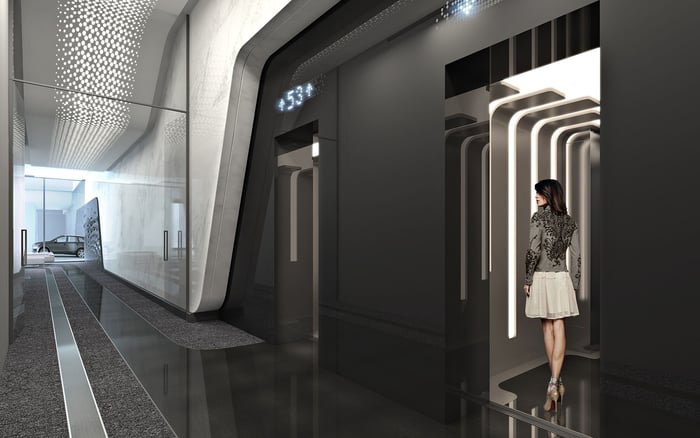
In a vertical condominium, elevator access can be one of the most important security layers. Buyers should understand how movement is controlled between lobby areas, residential levels, service areas, parking or arrival zones if applicable, and shared amenity spaces if applicable. The issue is not simply whether a credential exists, but what that credential allows.
Ask whether guest access is limited to approved destinations, how service providers are routed, and who can modify access privileges. High-floors buyers should pay particular attention to how vertical circulation protects privacy at more exclusive elevations. The more private the residence is intended to feel, the more carefully elevator logic should be reviewed.
Amenity and shared spaces, where applicable, should be treated as security zones rather than purely lifestyle features. Buyers should ask how guests are admitted, how private reservations are controlled, how staff monitor shared areas, and whether resident-only rules are enforced consistently.
This matters in both new-purchase and resale contexts. Resale buyers should review current house rules, not only marketing expectations from an earlier period. Building practices can change over time, and a buyer should evaluate how the condominium operates today.
Building employees, contractors, delivery personnel, household vendors, and recurring service providers may all interact with a resident's privacy perimeter. Buyers should ask how staff and vendors are screened, how access is granted, how access is revoked, and how logs are maintained.
The most useful questions are practical. Are contractors escorted when appropriate? Are service providers limited to defined routes? Who audits access records? What happens if a credential is lost or a vendor relationship ends? These procedures often reveal whether a building's security culture is disciplined or overly informal.
Security screening should include operational resilience. In South Florida, buyers should ask about hurricane procedures, emergency communications, backup operations where applicable, post-storm access control, and staffing plans during disruptions. These are not separate from privacy and safety; they determine how a building functions when conditions are strained.
Cybersecurity also belongs in the conversation. Modern residential operations may involve cameras, access credentials, elevator controls, resident communications, connected devices, and management platforms. Buyers should ask who administers digital permissions, how credentials are updated, and how compromised access is handled.
A careful buyer should request written policies, observe the arrival sequence during a private visit, and compare the building's stated procedures with what actually happens on site. Focus on visitor approval, delivery handling, elevator permissions, staff discretion, vendor oversight, emergency planning, and digital access controls.
The central question is whether One Thousand Museum Downtown Miami delivers privacy through operations, not just through architecture or reputation. A confident purchase decision should come from seeing that the building's daily systems support the way the buyer intends to live.
Why should security screening be reviewed at One Thousand Museum Downtown Miami? Buyers should confirm that privacy, access control, staffing, and emergency procedures align with the expectations of a luxury residence.
Are renderings or visual impressions enough to evaluate security? No. A buyer should review written policies and observe real operating procedures during a private visit.
What should buyers ask about curbside arrival? They should ask how residents, guests, private drivers, rideshare vehicles, deliveries, vendors, and contractors are handled.
Why are written visitor policies important? Written policies help show whether access rules are consistent, enforceable, and not dependent on informal judgment.
What makes elevator access a key security issue? Elevator permissions determine who can reach residential levels, shared spaces, service areas, and other controlled zones.
Should shared amenities be part of the review? Yes. If shared spaces are available, guest rules, reservations, staff monitoring, and resident-only access should be evaluated.
What should resale buyers verify? Resale buyers should review current house rules and operating practices because procedures may evolve over time.
Why does vendor oversight matter? Vendors and service providers may have repeated access to private areas, so screening, routing, logs, and credential removal are important.
How does South Florida resilience relate to security? Hurricane planning, emergency communication, staffing coverage, and post-storm access control all affect resident safety and privacy.
Why should cybersecurity be included in a luxury condo review? Digital credentials, cameras, communications, and connected systems can affect access control and resident privacy.
For a tailored shortlist and next-step guidance, connect with MILLION.
If branded residences are on your mind — as a home or as an allocation — we would be glad to share what we are seeing, privately.
Begin a quiet conversation