A buyer-focused look at One Thousand Museum in Downtown Miami, where exposure, height, Zaha Hadid’s exoskeleton, and terrace orientation shape the daily living experience.
At One Thousand Museum Downtown Miami, the conversation begins with architecture, then quickly becomes more exacting. This is not a tower where every residence should be judged by the same postcard description. Views, light, and terrace usability shift by exposure, height, and position within the building’s sculptural frame.
The tower stands along Biscayne Boulevard facing Museum Park and Biscayne Bay, giving its east side a distinct advantage within Downtown. In a neighborhood defined by vertical growth, the park-and-bay axis offers a more open outlook than many interior urban parcels. That does not make every home equal, but it makes orientation unusually important.
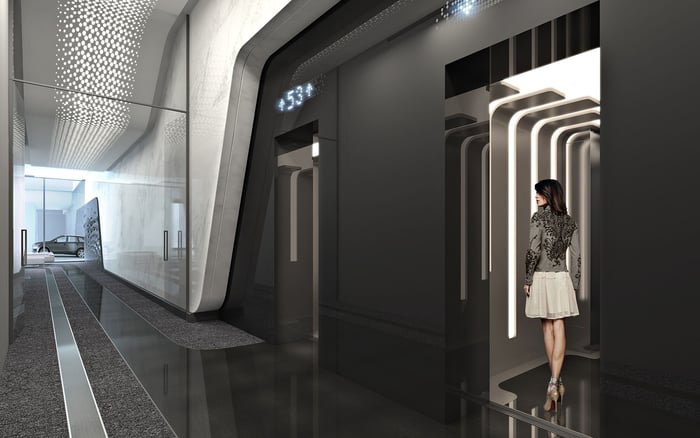
For buyers comparing Downtown trophy addresses, One Thousand Museum Downtown Miami belongs in a separate category from more conventional glass towers. Its Zaha Hadid design and curvilinear exoskeleton are not simply exterior branding. They shape how the building is experienced from within, including the way views are framed, divided, or dramatized through large-format glazing.
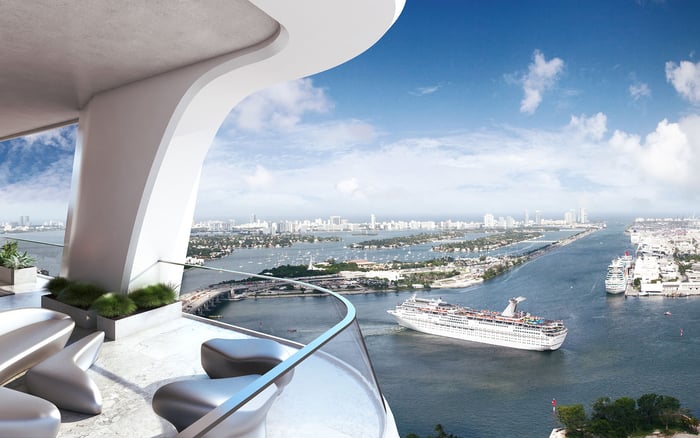
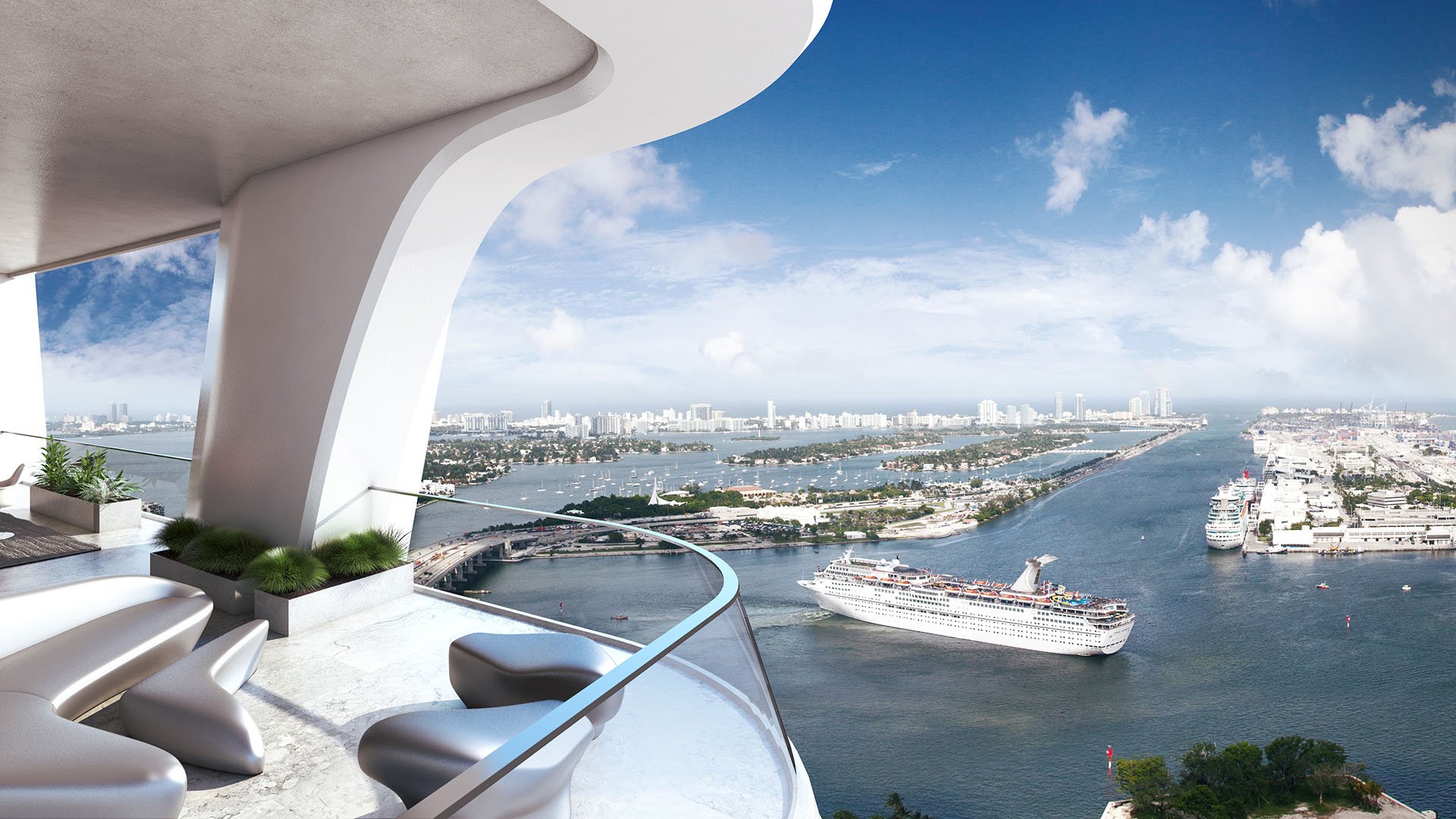
The most view-sensitive residences are generally those facing east, where the eye travels across Museum Park toward Biscayne Bay. This exposure is valuable because it combines openness, water, and civic green space. The public open-space character of Museum Park also gives the east-facing corridor a degree of protection compared with more interior Downtown sites.
West-facing homes tell a different story. They look back toward the denser Downtown Miami core, which can be compelling for buyers who prefer skyline energy, evening lights, and a more urban rhythm. The tradeoff is that west-facing views sit closer to the development logic of Downtown itself. As the district continues to densify, buyers should evaluate long-term obstruction risk with particular care.
North-facing views tend to align toward Biscayne Bay, Edgewater, and Midtown. This can create a layered outlook, with water, neighboring high-rises, and the broader city extending north along the bayfront. South-facing views engage Brickell, the port area, and causeway infrastructure, producing a more metropolitan composition. For buyers also considering branded or design-forward new addresses nearby, Aston Martin Residences Downtown Miami and Waldorf Astoria Residences Downtown Miami frame the same broader question: do you want water, skyline, civic space, or pure height to define the residence?
One Thousand Museum’s exoskeleton is a defining architectural gesture, but buyers should not treat it as purely decorative. From inside individual residences, the structure can frame views, partially segment sightlines, or give rooms a more cinematic sense of depth. In some positions, it may create a sculptural foreground against bay and skyline. In others, it may interrupt a clean glass panorama.
That distinction matters for resale-minded buyers. A recognizable, design-led tower can carry trophy-address appeal, especially for collectors of architecture. Yet the best residence is not merely the one with the most famous façade. It is the one where façade geometry, view corridor, daylight, and terrace function all support the way the owner actually lives.
At One Thousand Museum Downtown Miami, the Downtown proposition is not simply water-view drama. Terrace comfort, high-floor atmosphere, and resale identity all need separate evaluation, because the same building can deliver very different interior experiences from stack to stack.
Large-format glazing and floor-to-ceiling windows are central to the building’s appeal. They bring the bay, park, and skyline into daily life, turning the residence into an observatory of Miami’s changing light. Morning brightness in east-facing homes can be one of the building’s great pleasures, while evening city glow on west and south exposures can make Downtown feel almost theatrical.
Still, Miami light is not a decorative detail. It brings heat, glare, and UV exposure. A glass-heavy residence needs to be evaluated not only for drama at first showing, but also for comfort at different times of day. Buyers should study how the sun enters living areas, where seating naturally belongs, and whether the brightest zones remain usable during peak hours.
This is where One Thousand Museum differs from a simple view purchase. The best homes are not necessarily the brightest in every moment. They are the ones where light is abundant but livable, where the glazing creates atmosphere without overwhelming furniture placement, art walls, or daily routines. Buyers who appreciate this balance may also look at other design-conscious Downtown residences such as Casa Bella by B&B Italia Downtown Miami, where the interior experience is central to the ownership story.
Floor height materially changes how One Thousand Museum feels. Mid-level homes retain a closer visual relationship with Museum Park, neighboring buildings, Biscayne Boulevard, and the moving texture of Downtown. This can make the residence feel connected to the city, not detached from it.
Upper floors are more panoramic and aerial. The city begins to read less as individual buildings and more as pattern, light, water, and sky. At night, higher residences can shift into a more abstract experience, with Biscayne Bay and the skyline dissolving into reflections and illuminated grids.
For some buyers, that elevated remove is the point. For others, the most satisfying home may be one that still recognizes the park below and the city around it. This is why floor-by-floor evaluation is more useful than a generic preference for altitude. Height creates prestige, but it also changes scale, wind perception, and the sense of intimacy with the surroundings.
Terrace evaluation at One Thousand Museum should be specific, not assumed. Miami sun, humidity, wind, orientation, and the tower’s façade geometry can make outdoor comfort vary meaningfully from one residence to another. An east-facing terrace may offer prized park and bay outlooks, but morning sun and seasonal exposure still matter. A west-facing terrace may be dramatic at sunset, while also demanding careful thought about heat and glare.
Height is equally important. Higher terraces may feel more open and visually spectacular, yet wind can become a larger part of the outdoor experience. Mid-level terraces may feel more grounded and usable for casual moments, depending on orientation and enclosure. The buyer’s question should be practical: can the terrace support breakfast, reading, entertaining, or evening air, or is it primarily a visual extension of the interior?
This same discipline applies when comparing nearby bayfront and Edgewater living. A project such as The Cove Residences Edgewater may appeal to buyers focused on water orientation and neighborhood feel, but the terrace conversation still comes down to exposure, height, wind, and how the balcony connects to the main living areas.
The strongest approach is to separate the decision into three lenses. First, view quality: what does the residence actually face, and how protected is that outlook over time? Second, light behavior: does the glazing produce livable brightness or excessive glare? Third, terrace usability: does the outdoor space function during the hours when the owner will actually use it?
Within that framework, east-facing residences are the most compelling for buyers who prioritize the Museum Park and Biscayne Bay axis. West and south exposures can be powerful for those who prefer skyline intensity, but they should be reviewed with future obstruction risk in mind. North-facing homes may offer a layered composition toward the bay, Edgewater, and Midtown, appealing to buyers who like a broader urban-water blend.
One Thousand Museum is ultimately a building where architecture and daily life are inseparable. The exoskeleton, glass, height, and site do not merely create a recognizable silhouette. They shape how rooms feel in the morning, how the city appears at night, and how confidently a buyer can underwrite long-term desirability.
Is the east-facing side of One Thousand Museum generally the most desirable for views? East-facing residences are often the most view-sensitive because they look across Museum Park toward Biscayne Bay, creating a more open outlook.
Do west-facing residences have appeal? Yes. West-facing homes offer a denser Downtown skyline experience, especially at night, but may carry more long-term obstruction risk.
How does the Zaha Hadid exoskeleton affect interiors? The exoskeleton can frame or partially segment views from inside, so buyers should study the specific residence rather than rely on exterior imagery.
Are higher floors always better? Not always. Upper floors feel more panoramic and aerial, while mid-level homes may maintain a stronger connection to Museum Park and the city below.
What should buyers consider about natural light? Large-format glazing brings abundant daylight, but buyers should evaluate heat, glare, and UV exposure at the times they expect to use the home.
Are terraces equally usable across the tower? No. Terrace usability depends on orientation, height, sun, humidity, wind, and the building’s façade geometry.
Which exposures have more future obstruction risk? West and south views may face more development-related risk as Downtown Miami continues to densify with new towers.
What do north-facing residences typically see? North-facing views generally align toward Biscayne Bay, Edgewater, and Midtown, creating a layered urban and water outlook.
Why does architectural identity matter for resale? A recognizable, design-led tower can support trophy-address appeal for buyers who value architecture as part of the ownership proposition.
What is the best way to compare units in the building? Compare exposure, floor height, exoskeleton placement, daylight behavior, and terrace comfort before treating any two residences as equivalent.
When you're ready to tour or underwrite the options, connect with MILLION.
If branded residences are on your mind — as a home or as an allocation — we would be glad to share what we are seeing, privately.
Begin a quiet conversation