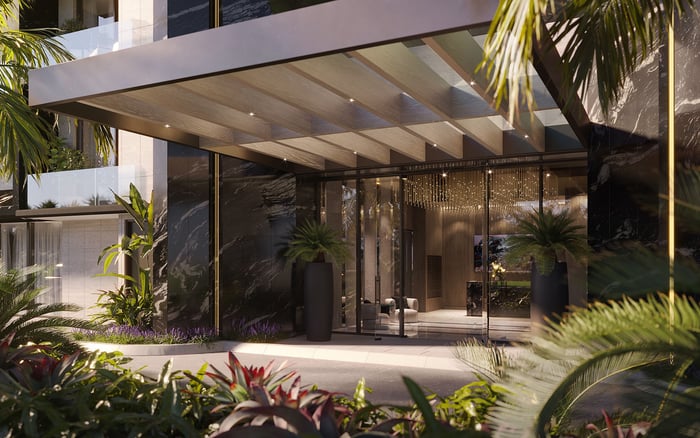
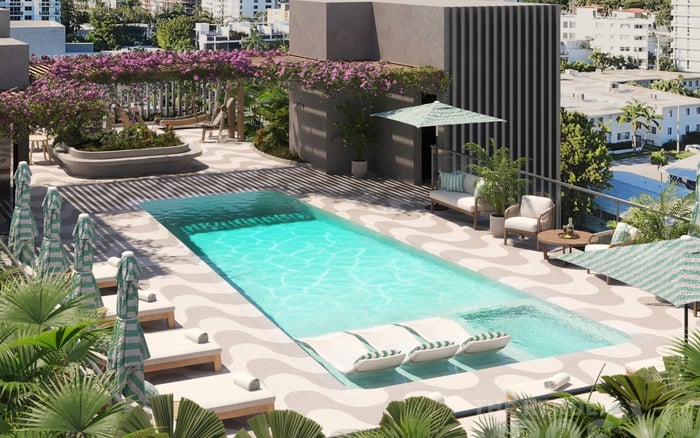
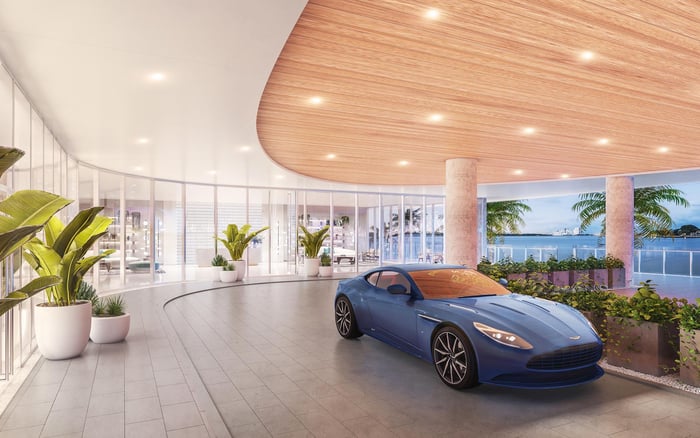
A buyer-focused comparison of Onda Bay Harbor and The Well Bay Harbor Islands through the lens of service model, privacy, circulation, and daily routines.
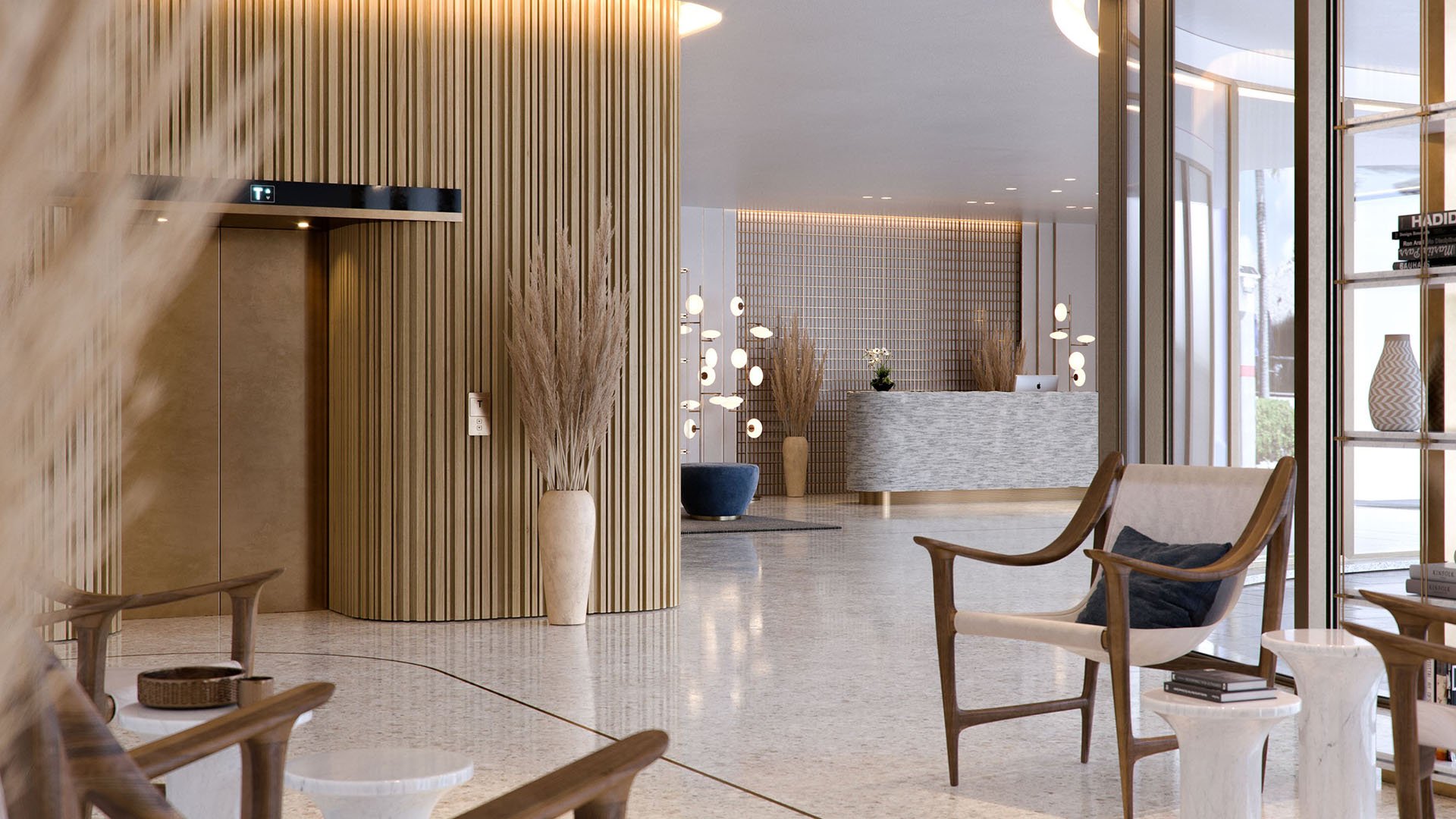
Onda Bay Harbor and The Well Bay Harbor Islands represent two distinct definitions of luxury living in Bay Harbor Islands. Both belong in the same broader market conversation, but the decision should not begin with a simple amenity checklist. For a serious buyer, the more useful lens is operational: which building model will feel effortless on an ordinary Tuesday morning, after a late dinner, during a family visit, or when a maintenance request needs to be handled quietly and well?
Onda Bay Harbor is best understood as a boutique, water-oriented residential option, with appeal rooted in privacy, waterfront-style living, and a calmer daily rhythm. The Well Bay Harbor Islands is best understood as a wellness-branded residential option, with value tied to programming, recovery, fitness, spa-style services, and lifestyle support. Neither model is inherently superior. The better fit depends on whether a buyer wants quiet residential control or a more curated, wellness-centered ecosystem.
This is a Bay Harbor decision in the most precise sense: compact geography, sophisticated buyers, and a premium on discretion. The right due diligence should focus on how each building functions when residents are actually using it.
At Onda Bay Harbor, the central service question is whether the building operates around a boutique residential experience rather than a resort-style wellness club model. The service markers to test are subtle but consequential: discreet valet, efficient package handling, responsive management, controlled guest access, and low-friction maintenance. These are not headline amenities. They are the practical details that determine whether a residence feels private, polished, and easy to live in.
At The Well Bay Harbor Islands, the service question is different. Buyers should examine how much of the resident experience is tied to wellness programming, spa-style services, fitness coordination, and organized lifestyle support. The value proposition may be strongest for someone who genuinely intends to use those services as part of a weekly routine. For that buyer, the building is not only a place to live. It is an infrastructure for health, recovery, and personal maintenance.
The distinction matters. Boutique service should feel nearly invisible. Programmed service should feel available, coordinated, and reliable. A buyer who wants staff to stay in the background may read frequent programming as unnecessary activity. A buyer who wants wellness access on demand may find a quieter building underpowered for the way they live.
Privacy in luxury real estate is often described in broad language, but the meaningful questions are specific. At Onda, privacy depends less on amenity claims than on building scale, access control, sightlines, elevator sharing, and the number of non-residents entering the property on a given day. A buyer should ask about residence count, elevator configuration, lobby traffic, marina or waterfront access rules, and guest-management protocols.
The marina question is especially relevant for water-oriented buyers. If the lifestyle includes boating convenience or frequent use of waterfront areas, privacy is shaped by who can access those zones, how arrivals are managed, and whether guests move through residential circulation or a more controlled path. Waterview appeal is only part of the story. The daily experience of reaching the water matters just as much.
At The Well, privacy turns on a different issue: whether the wellness identity is delivered inside a residentially controlled environment or through spaces with outside-facing activity. Buyers should ask whether wellness amenities are resident-only, shared with members, available to guests, or supported by appointment traffic. They should also ask how residents are separated from visitors arriving for treatments, classes, or services.
For privacy-focused buyers, the wrong assumption is that a luxury brand automatically creates a private experience. The correct test is circulation: who enters, where they go, how they are screened, and whether residents can move from home to amenity to parking without feeling exposed to non-residential traffic.
The practical test for Onda is movement. How easily can a resident move between residence, parking, lobby, waterfront areas, and neighborhood services without encountering heavy amenity traffic? The strongest Onda buyer is likely comparing boutique privacy and water-oriented convenience against larger, amenity-heavy luxury buildings elsewhere in Miami-Dade. For that buyer, the building should feel composed, residential, and efficient.
A proper tour should be conducted at peak hours, not only during a quiet sales appointment. Arrival by car, guest drop-off, valet timing, lobby density, elevator wait, and waterfront access should all be observed. The buyer should imagine a contractor arriving, a dinner guest checking in, a package being delivered, and a family member using the lobby while other residents are coming home. Boutique does not simply mean small. It means fewer friction points when the building is under real use.
The practical test for The Well is integration. Do the wellness amenities improve everyday life, or do they introduce scheduling, membership, guest, and shared-space complexity? The strongest The Well buyer is likely comparing wellness access and lifestyle services against more traditional luxury-condo amenity packages. For that buyer, the key issue is whether the wellness platform feels seamlessly residential or more like a destination layered into a home environment.
A tour should include questions about amenity reservations, spa access, fitness peak times, treatment availability, concierge coordination, and the separation of residents from outside visitors. The Well may be the more compelling first stop for buyers whose routines already include trainers, treatments, recovery protocols, and wellness planning. But that value should be tested against how easily those services can be accessed, booked, and enjoyed without crowding the residential experience.
Onda deserves the first look if the buyer’s daily priorities include waterfront access, boating convenience, controlled circulation, and a quieter residential cadence. It is the more natural starting point for someone who wants the building to support a private lifestyle without making the amenity floor the center of daily life.
This is the boutique argument. The luxury is not necessarily in having the most programmed spaces. It is in arriving without friction, receiving guests without exposure, accessing the water with ease, and trusting that management can handle ordinary residential needs without drama. For buyers who value calm, Onda’s questions are simple: how private is the arrival, how efficient is the service, and how controlled is the path from residence to water?
The Well deserves the first look if the buyer’s daily priorities include health, recovery, fitness, spa access, and wellness-oriented routines. It is the more natural starting point for someone who wants the residence to be part of a broader lifestyle system, not merely a private address with amenities nearby.
The best buyer for this model will not treat wellness programming as occasional decoration. They will use it, schedule it, and value the convenience of having services integrated into the residential experience. The due diligence should therefore be practical rather than emotional: what is included, what requires booking, who else can access it, how peak times are managed, and whether residents receive meaningful priority.
The cleanest way to compare Onda Bay Harbor and The Well Bay Harbor Islands is to map the buildings against three questions.
First, what kind of service do you actually want? If the answer is discreet, residential, and low-profile, Onda may be the better first investigation. If the answer is coordinated, wellness-aware, and program-rich, The Well may better match the buyer’s routine.
Second, what type of privacy matters most? Onda should be studied for access control, elevator sharing, sightlines, and guest protocols. The Well should be studied for member or guest access, appointment traffic, resident separation, and the operating rules around wellness spaces.
Third, what will you use every week? Waterfront convenience and boating-related ease point toward Onda. Health, recovery, spa, and fitness routines point toward The Well. The winning choice is not the one with the more persuasive description. It is the one whose operating model disappears into the way the buyer already lives.
Is Onda Bay Harbor better than The Well Bay Harbor Islands? Not universally. Onda is the stronger first investigation for boutique privacy and water-oriented living, while The Well is stronger for wellness-centered routines.
Who is the ideal Onda Bay Harbor buyer? The ideal buyer values waterfront-style convenience, quieter circulation, and a residential experience that feels discreet rather than highly programmed.
Who is the ideal The Well Bay Harbor Islands buyer? The ideal buyer wants health, recovery, fitness, spa, and wellness services to be part of normal weekly life.
What privacy questions should Onda buyers ask? Ask about residence count, elevator configuration, lobby traffic, guest protocols, waterfront access, and how many non-residents can enter daily.
What privacy questions should The Well buyers ask? Ask whether wellness amenities are resident-only, shared with guests or members, and how appointment traffic is separated from residential circulation.
How should buyers tour Onda? Visit at peak hours and test arrival, valet timing, guest drop-off, lobby density, elevator waits, and access to waterfront areas.
How should buyers tour The Well? Test reservation rules, spa access, fitness peak times, treatment availability, concierge coordination, and resident priority.
Does wellness programming always add value? It adds value when the buyer will use it regularly and when access rules do not complicate privacy or daily movement.
Does boutique living always mean more privacy? Not automatically. Privacy depends on access control, circulation, elevator sharing, guest management, and the number of non-residents on site.
What is the best way to shortlist comparable options for touring? Start with location fit, delivery status, and daily lifestyle priorities, then compare stacks and elevations to validate views and privacy.
If you'd like a private walkthrough and a curated shortlist, connect with MILLION.
If branded residences are on your mind — as a home or as an allocation — we would be glad to share what we are seeing, privately.
Begin a quiet conversation