A practical buyer’s comparison of Oceana Key Biscayne and Opus Coconut Grove, focused on how resort service, boutique privacy, access control, valet flow, and daily routines shape the ownership experience.
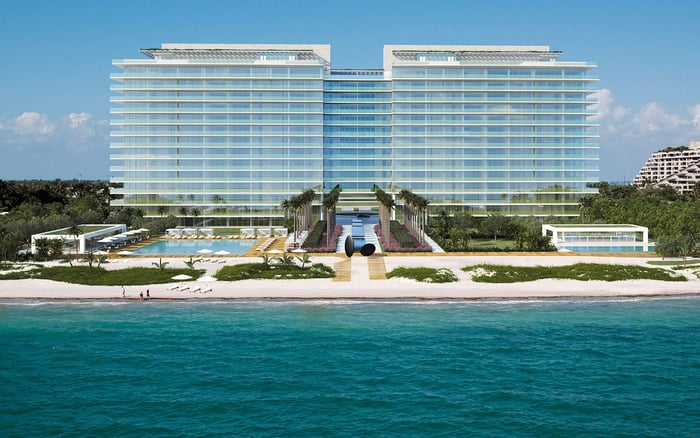
At this level of the South Florida market, the question is rarely whether a residence is beautiful. It is whether the building’s operating model matches the way a buyer actually lives. Oceana Key Biscayne and Opus Coconut Grove occupy very different positions in that conversation. One is best understood as a private resort in residence, shaped by beachfront living on Key Biscayne. The other is more intimate, design-forward, and tied to the lower-density rhythm of Coconut Grove.
In search shorthand, this is a Key Biscayne oceanfront service question set against a Coconut Grove boutique privacy question. In practice, it is more nuanced. Oceana asks whether a buyer wants broad resort infrastructure woven into the ordinary day. Opus asks whether a buyer prefers a quieter residential base, with more of the lifestyle experience absorbed by the surrounding neighborhood.
Oceana’s strength is not simply that it is on the beach. It is that the property should be evaluated as a self-contained residential resort. For the right buyer, the day can begin, unfold, and end largely on property. Beach, pool, concierge, valet, shared amenities, and family-oriented routines become part of the ownership equation rather than occasional conveniences.
That makes diligence highly specific. The question is not, “Does the amenity exist?” The better question is, “How does it perform on an ordinary Tuesday and a crowded weekend?” Beach service, pool service, concierge depth, valet flow, and staffing consistency matter most when the building is under routine pressure. School drop-off windows, beach weekends, evening arrivals, deliveries, and guest movement reveal more than a brochure can.
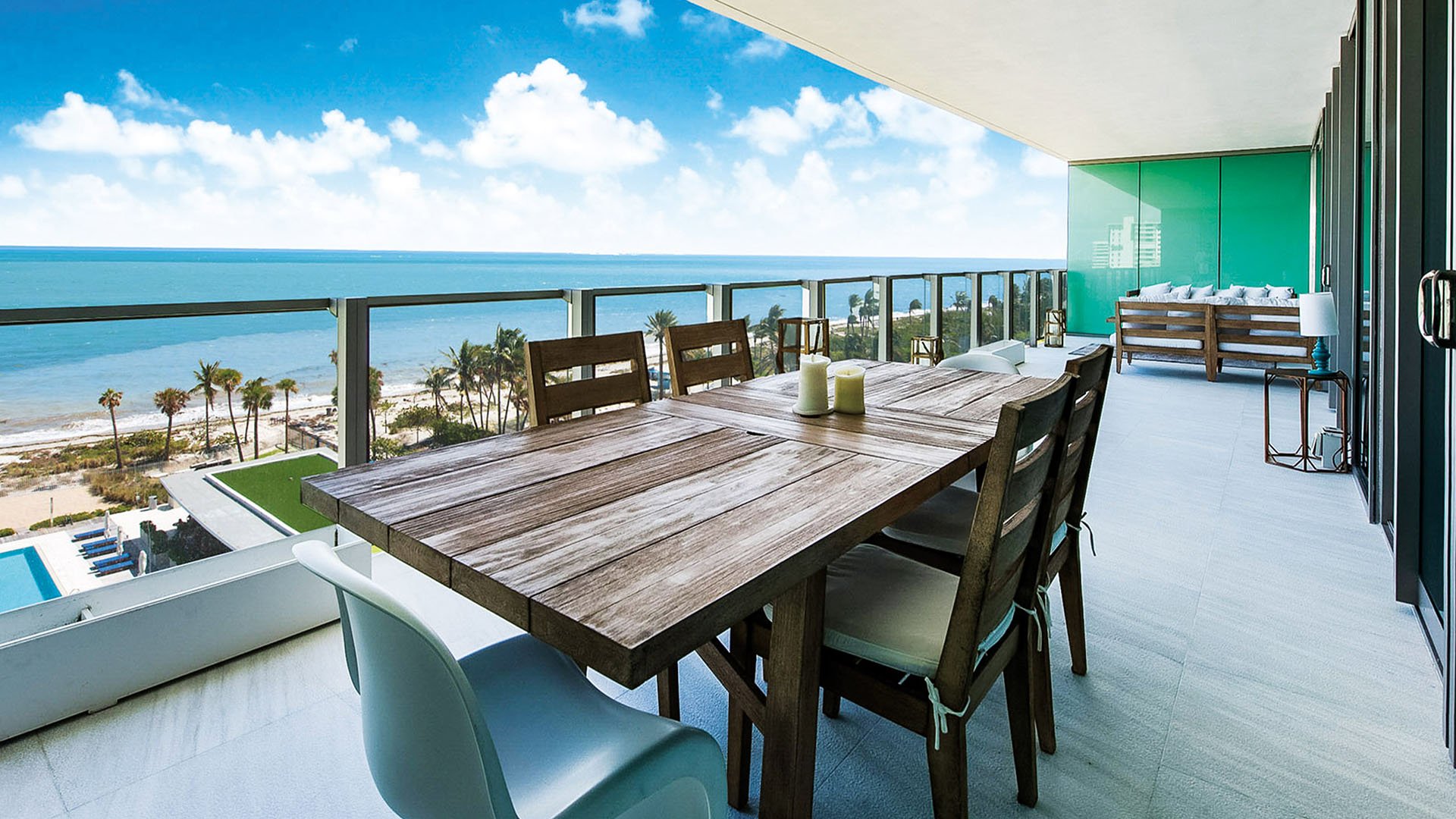
For households that want the beach to function as an extension of the residence, Oceana is the more natural fit. It is especially compelling for buyers who prefer to reduce daily friction, keep family recreation on-site, and rely on a larger service platform rather than assembling a lifestyle through outside providers.
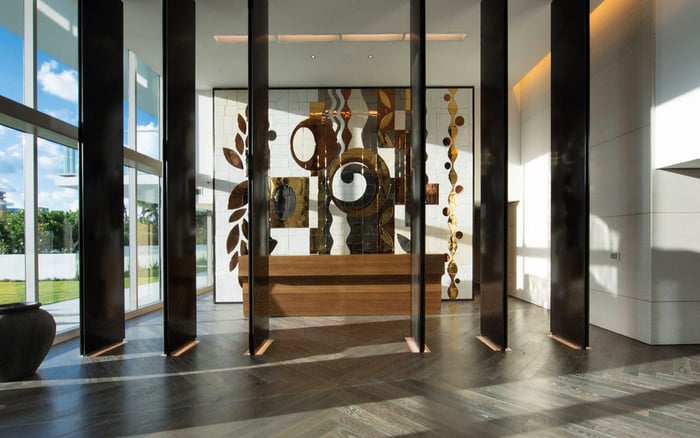
Some buyers assume privacy is only a matter of having fewer neighbors. That view is too narrow. At a resort-style property, privacy depends on how the building controls access, how residents and guests move through common spaces, how elevators are used, and how shared amenities are managed.
At Oceana, the correct privacy test is operational. How are guests received? How does the building separate routine resident movement from visitors, vendors, and service traffic? What does valet feel like when multiple households arrive at once? How calm are the lobbies, elevators, and amenity areas during peak-use periods? The answers determine whether the resort lifestyle feels gracious or busy.
This is where a buyer should tour with intention. Arrive at different times. Observe the transitions. A great resort residence feels composed even when it is active. The best version of Oceana is not merely expansive. It is choreographed.
Opus takes a different path. It is best evaluated as an intimate residential building rather than a large-scale resort environment. The value proposition is not maximum amenity breadth. It is discretion, reduced shared-space traffic, and a quieter setting in Coconut Grove.
For many ultra-prime buyers, that restraint is the point. They do not necessarily want a resort every day. They want fewer encounters in common areas, a more personalized staff experience, and a home base that connects easily to the Grove’s mainland lifestyle. In that sense, Opus is less about staying inside the property and more about living from it.
The diligence questions shift accordingly. What services are handled in-house? How personal is the staff interaction likely to be? Which needs are better served by clubs, restaurants, private trainers, chefs, drivers, or other outside providers? If Oceana’s promise is service depth on-site, Opus’s promise is quieter residential control with neighborhood integration.
Buyers considering Opus often look at the broader Coconut Grove luxury field as well. Four Seasons Residences Coconut Grove and Park Grove Coconut Grove may enter the conversation for those weighing different expressions of Grove living, but the essential Opus question remains whether a boutique amenity program is enough for the buyer’s daily life.
A polished amenity list can blur distinctions. Daily use clarifies them. At Oceana, the buyer should ask how often the household will use the beach, pool, valet, concierge, and on-site social spaces. If those functions will be central to the week, Oceana’s broader platform becomes valuable. If they will be used only occasionally, the buyer may be paying for a lifestyle that is not fully exercised.
At Opus, the question is almost the reverse. Is the quieter amenity program sufficient, or will the buyer miss the broader resort infrastructure of a larger beachfront property? Buyers who entertain often, host extended family, or want beach and pool service as part of ordinary life may find Opus too restrained. Buyers who prize quiet corridors, fewer shared-space encounters, and neighborhood-based living may find it more natural.
Neither model is objectively superior. The wrong choice is simply the one that asks the buyer to live against instinct. A resort buyer may become impatient with boutique limits. A privacy-first buyer may become fatigued by the daily activity of a resort-style address.
The core tradeoff is service breadth versus intimacy. Oceana offers the stronger case for buyers who want a self-contained beach lifestyle, with extensive on-site amenities and less need to leave the property each day. Opus offers the stronger case for buyers who prioritize discretion, fewer neighbors, quieter common areas, and an urban-adjacent Coconut Grove routine.
This comparison also helps frame other South Florida decisions. A buyer drawn to full-service waterfront living may naturally evaluate other high-service coastal properties, including Oceana Bal Harbour, while a buyer drawn to quieter Grove living may keep refining the boutique-versus-service balance within Coconut Grove itself.
The best due diligence is experiential. Walk the building at peak times. Watch valet. Observe deliveries. Ask how maintenance requests are routed. Consider how guests are announced and managed. Notice whether the shared spaces feel serene, social, or crowded. In luxury real estate, the most valuable amenity is often not listed. It is the absence of friction.
Choose Oceana if the beach is not a weekend extra, but a daily organizing principle. It suits buyers who want a resort-style environment, on-site convenience, family-oriented infrastructure, and the feeling that the property itself can carry much of the lifestyle load.
Choose Opus if privacy, quiet, and fewer daily touchpoints matter more than having a broad resort program downstairs. It suits buyers who want a refined home base in Coconut Grove and are comfortable outsourcing certain lifestyle needs to the surrounding neighborhood or private providers.
The most sophisticated buyers will not ask which building is more luxurious. They will ask which one protects their time, privacy, and routines more elegantly.
Is Oceana Key Biscayne more resort-oriented than Opus Coconut Grove? Yes. Oceana is better understood as a private resort in residence, while Opus is more boutique and residential in feel.
Is Opus Coconut Grove the more private option? For many buyers, yes. Its privacy case is tied to boutique scale, quieter common areas, and reduced shared-space traffic.
What should buyers test first at Oceana? Focus on beach service, pool service, valet flow, concierge depth, and how the building feels during peak routine times.
What should buyers test first at Opus? Determine whether the quieter amenity program is sufficient for daily living without broader resort infrastructure.
Which building is better for a beach-centered household? Oceana is the stronger fit for buyers who want beachfront living and extensive on-site lifestyle support.
Which building is better for discretion? Opus is more aligned with buyers who want fewer neighbors, quieter spaces, and a more private residential rhythm.
Does privacy depend only on unit count? No. Access control, guest movement, elevator usage, deliveries, and amenity management all shape the lived privacy experience.
Is Opus less service-oriented than Oceana? It is better described as differently service-oriented, with emphasis on personalization and neighborhood integration rather than resort breadth.
Can a buyer compare these buildings by amenities alone? No. Staffing, parking, maintenance response, common-area traffic, and guest handling are just as important.
What is the simplest way to decide between them? Choose the building that best matches your ordinary weekday, not just your ideal vacation day.
If you'd like a private walkthrough and a curated shortlist, connect with MILLION.
If branded residences are on your mind — as a home or as an allocation — we would be glad to share what we are seeing, privately.
Begin a quiet conversation