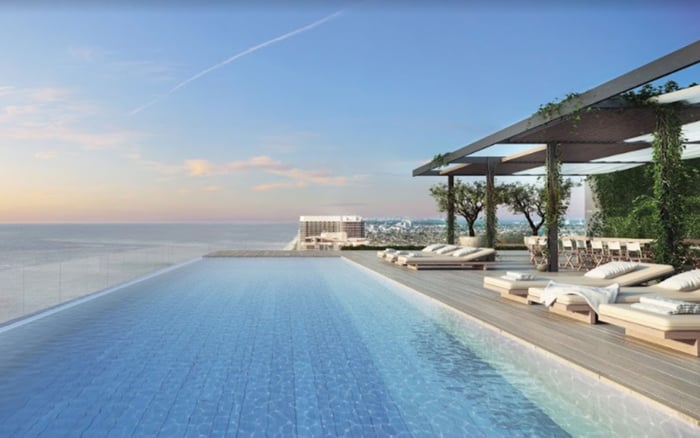
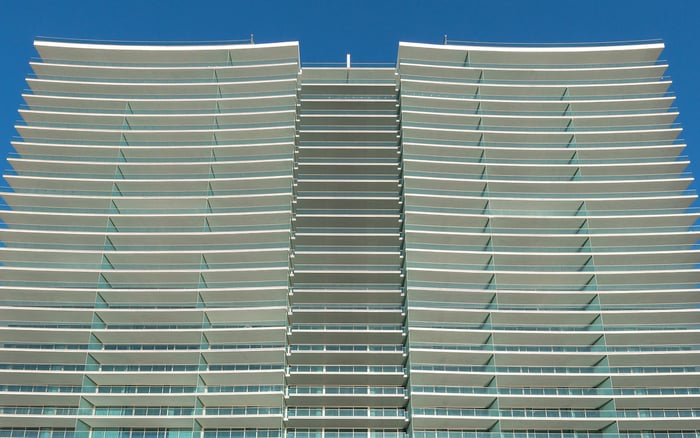
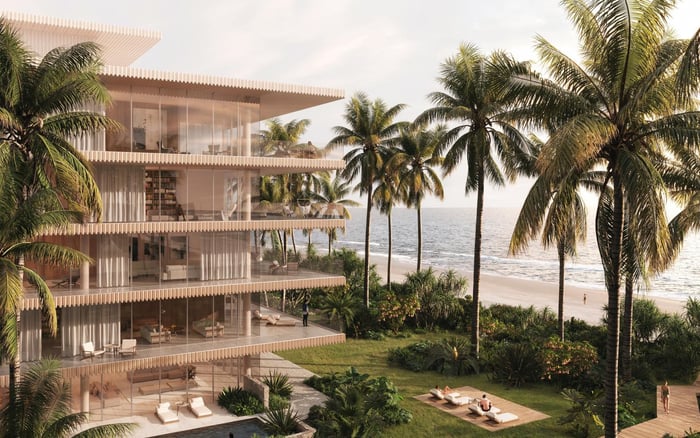
Oceana Bal Harbour is examined through the ownership questions that matter to family-focused luxury buyers: residential culture, amenity rhythm, governance review, resale discipline, and long-term fit in Bal Harbour.
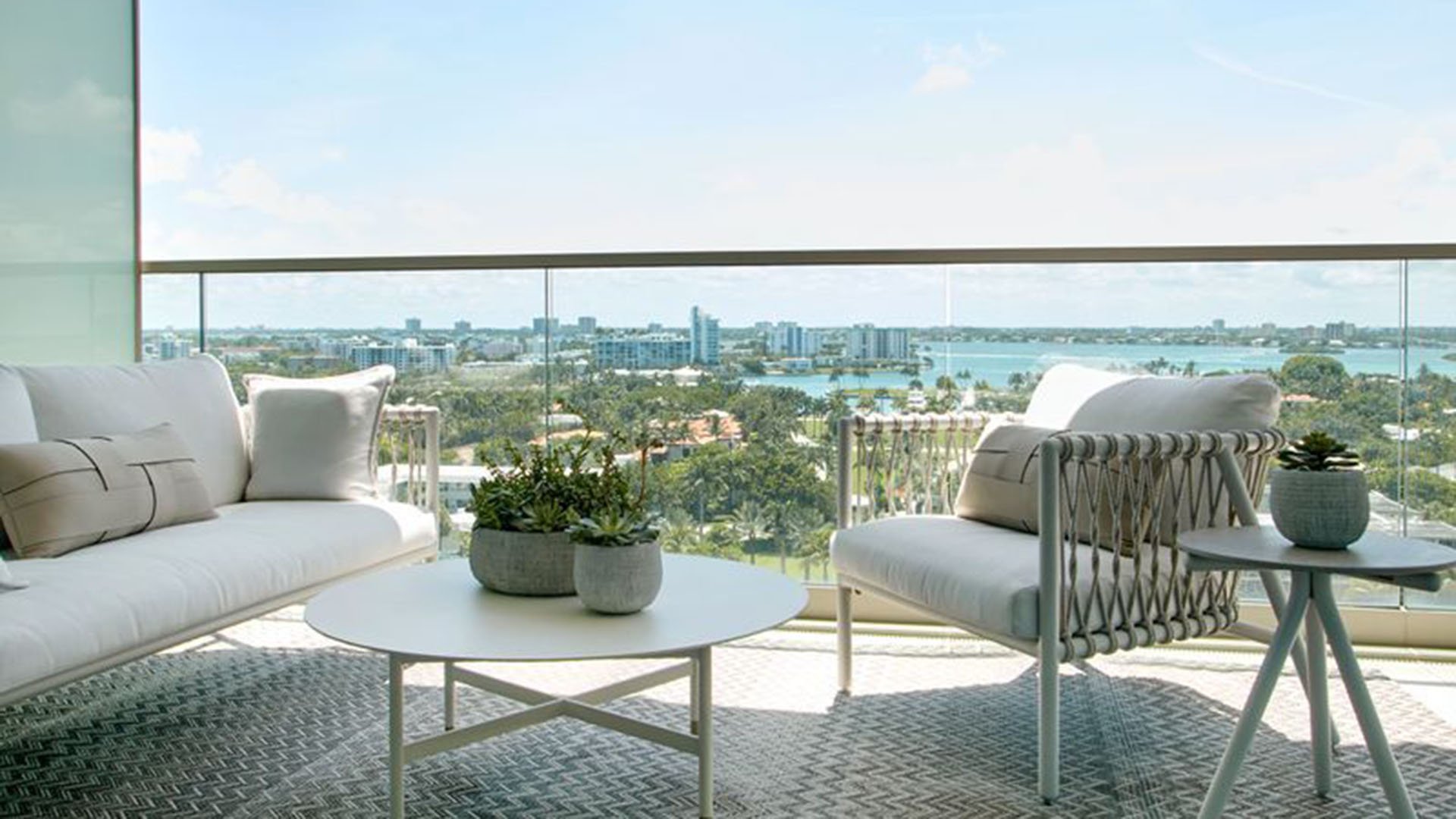
At the highest end of South Florida real estate, the most revealing question is not always how large a residence is, how expansive the terrace feels, or how close the building stands to the water. Often, it is who owns there, how they use their homes, and what the building quietly encourages over time.
That is the question behind Oceana Bal Harbour. For buyers evaluating this address, the conversation should move beyond surface-level luxury and into the culture of ownership. A condominium can feel dramatically different depending on whether residents use it as a long-term base, a seasonal retreat, a flexible investment, or a more transient lifestyle asset.
This distinction matters because the lived experience inside a luxury building is shaped by more than finishes. It is shaped by resident expectations, governance, rental culture, noise tolerance, amenity patterns, and the degree to which neighbors and staff recognize recurring use over time.
For buyers considering Oceana Bal Harbour, ownership structure is not a footnote. It is central to the proposition.
Bal Harbour occupies a particular place in the South Florida luxury conversation. Buyers drawn to this market are often weighing privacy, setting, service, long-term value, and family practicality at the same time. Those priorities do not always point to the same building.
A residence that appeals to one buyer because of flexibility may concern another buyer who wants consistency. A building with a more residential rhythm can feel calmer and more predictable, while a building with a more flexible usage profile may appeal to owners who prioritize optionality.
That is why end-user culture deserves careful attention. For a family, stability is tangible. It can mean familiar staff, more predictable shared spaces, less fluctuation in amenity demand, and a steadier rhythm in corridors, elevators, pool areas, and common spaces.
For grandparents, parents, and children returning to the same residence across seasons or school breaks, that rhythm can be part of the luxury itself.
Many luxury buildings describe their amenities as expansive. Fewer translate those amenities into a coherent daily life for families. At Oceana Bal Harbour, the key question is not simply what amenities exist, but how those amenities function when multiple generations are using the property in real time.
Family-oriented amenity culture is not only about children’s spaces. It is about whether a building can support longer stays without forcing residents to leave the property for every need. It is also about whether different age groups can occupy the same environment comfortably: children moving between activity and quiet time, adults balancing leisure with routine, and older family members valuing convenience and calm.
For buyers, the practical test is simple but important. Does the property feel easy to live in for a week, a month, or a season? Do shared spaces remain composed when families arrive together? Does the service model feel residential rather than performative?
When ownership culture and amenity planning reinforce one another, a building can feel less like a collection of private apartments and more like a controlled residential ecosystem. That is the deeper question behind Oceana’s family-amenity culture.
Luxury condominium identity is often communicated through architecture, interiors, and shared spaces. In a building where curated common areas are part of the experience, buyers should ask how those spaces are maintained, governed, and funded over time.
This matters because shared identity can influence how residents treat the property. A building with a strong point of view can create pride of ownership, but it can also create responsibilities. Owners should understand what the association maintains, what obligations exist, and how aesthetic standards are protected.
For the right buyer, this can be compelling. It suggests a residential environment that aims to feel permanent, considered, and orderly. For others, it raises practical questions that should be reviewed carefully before purchase.
The larger point is that identity is not separate from ownership culture. It is part of the same message: a luxury building is not only a private residence, but also a shared environment shaped by collective standards.
A buyer should not romanticize governance. Residential stability has benefits, but it can also affect the universe of potential purchasers and users. If a building is oriented toward more consistent residential use and includes rules around ownership or rental activity, it may not suit buyers whose primary objective is maximum flexibility.
That is where resale analysis becomes essential. A highly residential building can attract committed buyers who value continuity, privacy, and a calmer atmosphere. At the same time, any ownership framework that narrows use cases can influence liquidity. The correct question is not whether that is good or bad. The correct question is whether it aligns with the buyer’s own plans.
For an investment-minded purchaser, Oceana Bal Harbour should be evaluated less like a high-turnover income vehicle and more like a luxury asset whose value depends on entry basis, residence quality, views, condition, carrying costs, governance, and future demand.
For a second-home buyer, the calculus may be different. The ability to arrive into a stable, well-governed environment can justify a more patient view of liquidity. The value is not only financial. It is the ability to return to a place that feels consistent over time.
The right due diligence at Oceana Bal Harbour should be both emotional and technical. Emotionally, buyers should ask whether they want a building that feels residential, composed, and multigenerational. Technically, they should review current governing documents, budgets, insurance structure, rental rules, assessment history, and association obligations.
Families should also observe the building at different times. A property can feel different on a weekday morning, a holiday weekend, and a peak-season afternoon. The goal is to understand how the amenity culture actually functions, not merely how it is described.
The most sophisticated buyers also consider generational fit. Will teenagers feel constrained or comfortable? Will grandparents find the building easy to navigate? Will visiting relatives integrate naturally? Does the property support a long-stay rhythm, or is it best for shorter, more formal visits?
At Oceana Bal Harbour, these questions are not secondary. They are the essence of the purchase. The building’s luxury is not only in its name recognition or location context. It is in the possibility that ownership, governance, and amenities can create a more durable family culture.
For buyers who want flexibility above all else, that may feel too structured. For buyers seeking a South Florida base with continuity, discretion, and shared standards, it may be precisely the point.
Is Oceana Bal Harbour best understood through ownership culture? Yes. Buyers should evaluate how resident use, governance, and building rhythm shape the day-to-day experience.
Why does ownership culture matter in a luxury condominium? It can affect the resident mix, amenity rhythm, noise profile, and overall sense of stability inside the property.
Is Oceana Bal Harbour relevant for family-focused buyers? Yes. The topic is especially relevant for buyers who want to understand whether a building supports multigenerational use and longer stays.
What should families study about the amenities? Families should look beyond amenity lists and observe how shared spaces function during real use.
Should buyers review rental and ownership rules before purchasing? Yes. Current governing documents should be reviewed carefully, especially when flexibility, rental use, or future liquidity matters.
Can governance affect resale planning? Yes. Governance can support stability while also shaping the future buyer pool and liquidity profile.
Is this type of building analysis only financial? No. It combines lifestyle fit, governance review, family rhythm, and resale discipline.
What should second-home buyers consider? They should consider whether the building feels consistent, easy to return to, and aligned with their expected pattern of use.
Why observe the building at different times? Different days and seasons can reveal how amenities, staffing, common areas, and resident patterns actually operate.
What is the best way to shortlist comparable options for touring? Start with location fit, delivery status, and daily lifestyle priorities, then compare stacks and elevations to validate views and privacy.
For a confidential assessment and a building-by-building shortlist, connect with MILLION.
If branded residences are on your mind — as a home or as an allocation — we would be glad to share what we are seeing, privately.
Begin a quiet conversation