For seasonal buyers, the most valuable Midtown Miami residence may be the one that makes daily wellness, medical planning and lock-and-leave ownership feel effortless.
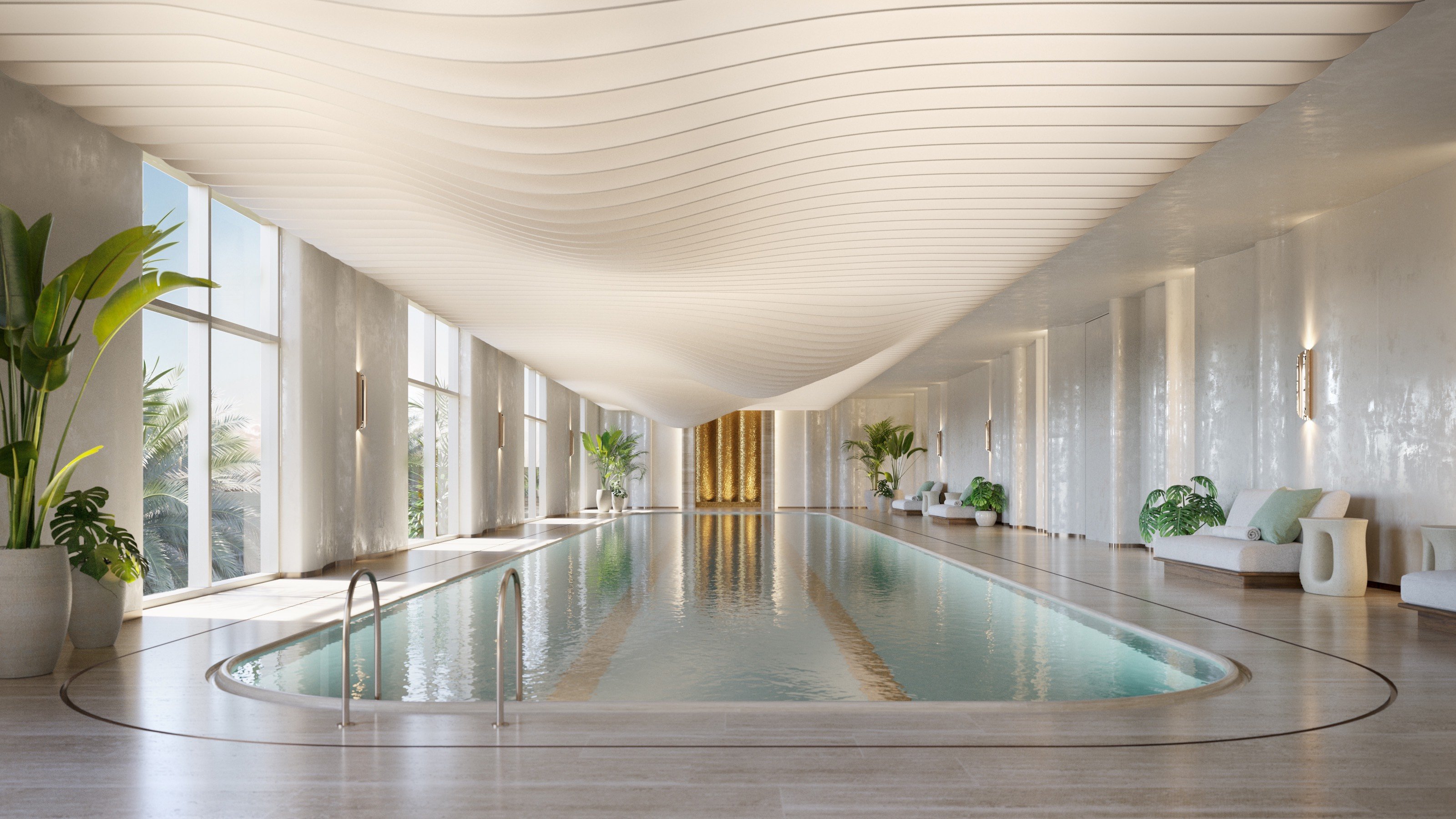
For a seasonal owner, a Miami residence is not simply a showcase. It is the setting for a concentrated part of the year, when routines should resume quickly and ownership should require little explanation. In Midtown Miami, that can shift a buyer’s attention from the longest amenity list to a more personal question: Does the building make it easier to feel well, stay organized and obtain care when needed?
The distinction matters. A cinematic lobby may create a memorable arrival, but a quiet exercise space, intuitive circulation and dependable residential operations shape each day of a stay. Medical proximity also carries different weight for seasonal households. It is less about anticipating a crisis than removing friction from routine appointments, prescriptions, rehabilitation or care coordination.
Before comparing buildings, map the first 72 hours after arrival. Consider how groceries are received, where luggage is handled, whether a workout can happen without advance planning and how easily a family member can reach an appointment. This practical exercise often reveals the difference between an amenity that photographs beautifully and one that supports a genuine lifestyle.
Second-home buyers should also distinguish their own priorities from those of their guests. One owner may value a tranquil pool and private treatment setting, while another may care more about an efficient fitness routine and discreet service. The right hierarchy is personal and should be established before touring.
Wellness is most compelling when it functions as a coherent part of the residence rather than a collection of rooms. Buyers should assess privacy, acoustics, natural light, changing areas, reservation protocols and the path from elevator to amenity. The objective is not abundance, but comfortable, repeatable use.
Operations deserve equal scrutiny. Ask how equipment condition is monitored, how shared spaces are cleaned and whether services depend on outside providers. If treatments or coaching matter, clarify how access works during the months of occupancy. A feature with uncertain availability may offer less practical value than a simpler space that is consistently ready.
For a broader comparison, buyers may examine the positioning of Kempinski Residences Miami Design District. The Design District can be treated as a distinct search category, allowing purchasers to compare different residential propositions without assuming that every building approaches wellness in the same way.
A map pin is only the beginning. Medical access should be evaluated as a complete journey: departure from the residence, vehicle retrieval, likely traffic conditions, arrival logistics and the return home. Buyers should test routes at the times they are most likely to travel rather than rely on a generalized estimate.
The relevant destination is personal. It may be a physician, specialist, pharmacy, imaging center, rehabilitation provider or preferred hospital. A household managing regular care may reasonably prioritize this network over entertainment-oriented amenities. Buyers should verify providers, routes and hours directly, as healthcare relationships and seasonal schedules can change.
This is also a matter of privacy. Separate service circulation, a comfortable vehicle handoff and an uncomplicated elevator journey may matter after an appointment. These details rarely lead a brochure, yet they can determine whether a residence feels genuinely supportive.
Midtown need not be assessed in isolation. A disciplined search can compare different urban settings while preserving the same criteria: wellness usability, medical routing, residential privacy and seasonal ease.
In Edgewater, EDITION Edgewater and Villa Miami can serve as comparison points for buyers refining their preferences. Across the broader urban market, House of Wellness Brickell offers another project to consider when exploring Brickell. These projects should begin conversations, not replace diligence. Amenity access, operating policies and healthcare routes should all be confirmed for the specific residence under consideration.
A polished acquisition review should address more than finishes. Ask how the home is prepared before arrival, how climate and water systems are monitored during an absence and who can enter the residence while the owner is away. Review package handling, guest authorization, pet procedures and emergency contacts.
Then consider wellness and medical needs together. Can an owner maintain a familiar routine within the building? Is there a comfortable plan when an appointment falls early in the morning? Can a family member, assistant or caregiver navigate access without unnecessary exposure? For a second home, these operational answers can be more consequential than the nominal number of amenities.
Finally, visit with purpose. Walk from the residence to the wellness areas, inspect the transitions and test the departure sequence. The most suitable property is often not the one that offers the most, but the one that makes the owner’s priorities feel natural.
Why can wellness matter more for a seasonal owner? A shorter period of occupancy rewards amenities that are immediately and consistently accessible.
What should buyers inspect beyond a fitness-room photograph? Review privacy, acoustics, circulation, changing areas, upkeep and any reservation requirements.
How should medical proximity be measured? Test the complete door-to-door journey to the providers and facilities relevant to the household.
Should a buyer rely on advertised travel times? No. Test preferred routes at realistic appointment times and independently verify arrival procedures.
Which healthcare destinations belong in the review? Include the owner’s physicians, specialists, pharmacy, imaging, rehabilitation and preferred hospital options.
Why do building operations affect wellness value? Consistent maintenance, cleaning and access determine whether an amenity supports a dependable routine.
What matters during months when the residence is empty? Clarify home monitoring, authorized entry, emergency response and preparation before the owner returns.
Should guests influence the purchase criteria? Yes, but the owner’s recurring needs should remain distinct from amenities intended primarily for entertaining.
Is a larger amenity program always better? No. A focused collection that is private, well maintained and intuitive may deliver greater daily value.
When should these questions be asked? Raise them before selecting a unit, then confirm the answers during building and residence diligence.
For a tailored shortlist and next-step guidance, connect with MILLION.
If branded residences are on your mind — as a home or as an allocation — we would be glad to share what we are seeing, privately.
Begin a quiet conversation