A buyer-oriented editorial framework for comparing Oceana Bal Harbour and Turnberry Ocean Club Sunny Isles through design pedigree, day-to-day household operations, and disciplined resale thinking.
Oceana Bal Harbour and Turnberry Ocean Club Sunny Isles occupy a rare tier of South Florida condominium ownership, where the purchase is not simply a decision about view, square footage, or prestige. For the ultra-premium buyer, the sharper question is how each residence performs as a long-term household, a design object, and a future resale asset.
Where verified public detail is limited, the most responsible analysis is not a claim-by-claim comparison. It is a due-diligence framework. The buyer’s task is to examine what can be experienced, documented, and stress-tested: the quality of arrival, the logic of the plan, the way staff and family circulate, the privacy of everyday life, and the future buyer universe that may exist at exit.
The names themselves point to two different purchase conversations. Oceana Bal Harbour belongs to the Bal Harbour discussion, a market often associated with quiet discretion, controlled scale, and proximity to a refined retail and beach environment. Turnberry Ocean Club Sunny Isles belongs to the Sunny Isles discussion, where vertical oceanfront living, service expectations, and skyline presence often shape buyer psychology.
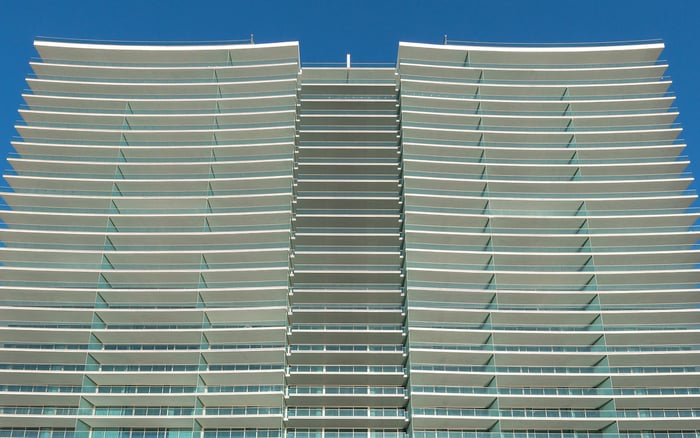
Design pedigree in luxury real estate is often reduced to a famous architect, a recognisable façade, or a photogenic amenity. Serious buyers should go further. The most durable residences tend to reveal quality in quieter ways: the discipline of the elevation, the proportion of glazing to wall, the calmness of common spaces, and the relationship between private interiors and the horizon.
At this level, the question is not whether a building looks impressive in photography. The question is whether the design will still feel composed after repeated arrivals, after changing furniture schemes, and after market tastes evolve. A residence with restraint can often absorb new ownership more gracefully than one dependent on a highly specific decorative moment.
For Oceana Bal Harbour, a design review should focus on how the building supports the Bal Harbour ideal: privacy, elegance, controlled movement, and an atmosphere that does not need to announce itself loudly. For Turnberry Ocean Club Sunny Isles, the review should examine how the building handles scale, verticality, arrival sequence, and the transition from public resort energy to private residential calm.
The best walkthroughs are slow. Buyers should enter as residents, not guests. Notice the sequence from curb to lobby to elevator to private threshold. Listen for acoustic control. Observe whether corridors feel residential or transient. Study how natural light behaves at different times of day. Pedigree lives in those details.
A trophy residence can fail the household if the operational pattern is wrong. Ultra-prime buyers often think first about views, but satisfaction is created by repetition: morning routines, deliveries, staff access, children returning from school, guests arriving for dinner, pets leaving for walks, and owners moving between formal and informal spaces.
The floor plan should be tested against the household, not admired in isolation. Does the plan allow privacy for the principal suite? Can service functions occur without crossing the entertaining path? Is there a sensible place for luggage, sports equipment, seasonal objects, and the unglamorous materials of real life? Does the kitchen support the way the owner actually lives, whether that means private cooking, staff preparation, or catered entertaining?
In a Bal Harbour setting, the household may value a quieter rhythm, with fewer external interruptions and a more discreet daily pattern. In Sunny Isles, some buyers may be attracted to a more vertical, service-rich style of living, where the residence becomes part private home and part coastal club. Neither is inherently superior. The better choice is the one that fits how the household actually operates.
Service culture deserves the same scrutiny. A buyer should understand guest protocol, package handling, maintenance access, parking procedures, elevator experience, and the tone of staff interactions. True luxury is not only what is provided. It is how invisibly and consistently it is provided.
Address psychology is powerful in South Florida, and it can influence both daily satisfaction and future resale. Bal Harbour and Sunny Isles carry different emotional signatures. Bal Harbour often appeals to buyers seeking a quieter expression of status, with a sense of separation from the intensity of the broader city. Sunny Isles often appeals to buyers who want oceanfront elevation, strong building identity, and a more visible high-rise coastal experience.
For the buyer comparing Oceana Bal Harbour and Turnberry Ocean Club Sunny Isles, the question is less about which address is more prestigious and more about which one best supports identity. Does the owner want a residence that feels tucked into a discreet enclave, or a residence with a more commanding tower presence? Does the household prefer understatement or a stronger amenity narrative? Does the surrounding rhythm feel calming, energising, or too public?
Privacy should be assessed in layers. There is visual privacy from neighbouring buildings. There is acoustic privacy within the residence. There is arrival privacy at the entrance and elevator. There is social privacy, meaning the degree to which daily life feels observed or unobserved. The strongest luxury buildings manage these layers with ease.
Resale discipline is not pessimism. It is acquisition intelligence. The best buyers think about exit before they buy, not because they intend to leave quickly, but because the discipline required for a sound exit is the same discipline required for a sound entry.
A resale review should begin with the future buyer. Who is the likely next owner? A domestic primary resident, an international second-home buyer, a downsizing family, a collector of oceanfront property, or a buyer seeking a turnkey coastal base? Each buyer group values different things. Some will pay for a grand entertaining plan. Others will prioritise bedroom separation, staff accommodation, storage, or a calm interior palette.
Condition matters because renovations in occupied luxury towers are never purely aesthetic decisions. A buyer should consider how much work is needed, how long it may take, and whether the finished result will appeal to a broad future audience. Highly personalised interiors can be seductive, but they may narrow the resale pool unless executed with exceptional quality and restraint.
Pricing discipline should also reflect comparability. Not every residence in the same building is truly comparable. Exposure, elevation, plan efficiency, terrace usability, privacy, and condition can shift the buyer universe materially. A record price elsewhere in the building may be relevant, but it is not automatically transferable.
A useful comparison between Oceana Bal Harbour and Turnberry Ocean Club Sunny Isles should resist the temptation to declare a universal winner. These are not interchangeable purchases. They are different lifestyle instruments within the same high-end coastal ecosystem.
The buyer who values discretion, quiet social signalling, and a more edited sense of place may be drawn toward the Bal Harbour side of the conversation. The buyer who values dramatic vertical living, service intensity, and a pronounced tower identity may lean toward Sunny Isles. The most sophisticated answer may also depend on a specific line, exposure, residence condition, and household profile.
Proper due diligence includes repeated visits, preferably at different times of day. It includes reviewing building rules, financial obligations, alteration protocols, and the lived experience of access. It includes walking the surrounding area as an owner would, not merely arriving for a showing. It also includes testing the emotional response: whether the residence feels impressive for ten minutes or deeply right after an hour.
Luxury buyers often know within moments whether a residence has presence. The due-diligence process determines whether that presence has substance.
Before choosing between the two, a buyer should clarify five issues. First, define the intended use: primary residence, seasonal base, family retreat, or long-horizon asset. Second, establish the household operating model, including staff, guests, pets, storage, and entertaining. Third, decide whether the desired tone is discreet, social, resort-like, or architecturally restrained.
Fourth, analyse the resale audience from the beginning. A residence that suits only one very specific lifestyle may need to be priced with that narrowness in mind. Fifth, separate building admiration from unit selection. A celebrated building does not make every residence equally compelling. The best unit is the one where plan, exposure, condition, privacy, and price align.
This is where patience becomes a luxury strategy. The right purchase may not be the most dramatic showing or the most aggressively marketed opportunity. It may be the residence with the clearest logic, the fewest operational compromises, and the widest future audience.
Is Oceana Bal Harbour better than Turnberry Ocean Club Sunny Isles? Not universally. The stronger choice depends on lifestyle preference, unit specifics, privacy needs, and long-term resale goals.
What should buyers compare first? Start with household operations: floor plan, arrival sequence, privacy, service access, and how the residence supports daily life.
Why does design pedigree matter? Durable design can preserve emotional and market appeal beyond a single decorative cycle, especially in ultra-premium residences.
How should a buyer think about Bal Harbour versus Sunny Isles? Bal Harbour often suits a more discreet ownership profile, while Sunny Isles may appeal to buyers seeking a stronger vertical coastal presence.
Is the best view always the best purchase? Not necessarily. View quality must be weighed against plan efficiency, privacy, condition, terrace usability, and price discipline.
What makes a residence easier to resell? Broad appeal, logical layout, strong condition, privacy, usable outdoor space, and an address narrative that future buyers understand.
Should renovation potential influence the offer? Yes. Buyers should consider cost, timing, building protocols, and whether the final design will expand or narrow the future audience.
How many times should a buyer visit before committing? More than once when possible. Different times of day can reveal light, traffic, noise, service rhythm, and building atmosphere.
What is the biggest due-diligence mistake? Treating a prestigious building name as a substitute for analysing the individual residence, its plan, condition, and resale logic.
Who is this comparison most relevant for? It is most relevant for buyers deciding between discreet Bal Harbour ownership and a more vertical Sunny Isles coastal lifestyle.
To compare the best-fit options with clarity, connect with MILLION.
If branded residences are on your mind — as a home or as an allocation — we would be glad to share what we are seeing, privately.
Begin a quiet conversation