A contract-first guide to coordinating cross-border funds, staged deposits, proposed securities-backed borrowing, and appraisal protection for a considered North Bay Village purchase.

For a North Bay Village buyer seeking discreet service, the most valuable preparation begins before a wire is requested. A substantial balance sheet does not answer every transaction question. What matters is whether the right funds will reach the right recipient by the contractual deadline-and whether the buyer understands the rights attached to those commitments.
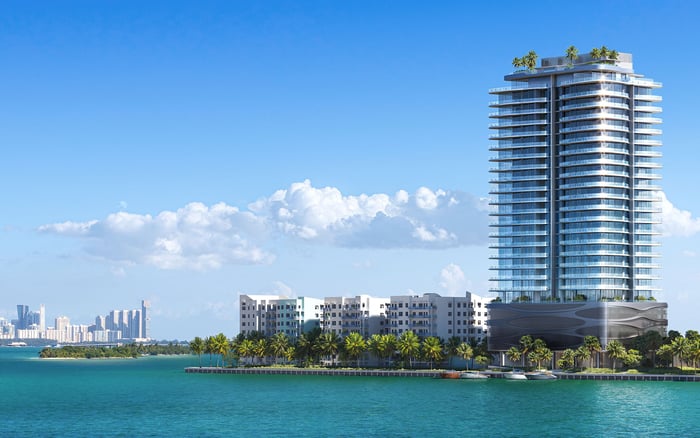
A waterfront purchase deserves the same precision as the residence itself. Whether considering Continuum Club & Residences North Bay Village or another address, begin with a single funding calendar drawn from the proposed agreement. Record the initial deposit, additional deposits, closing funds, and every relevant contingency deadline. Identify who will confirm each obligation and who will acknowledge receipt.
Discretion should mean coordinated communication, not less diligence. Ask counsel, the bank, and the closing team to agree on responsibilities and document requirements early. Treat privacy preferences as instructions to discuss, never as grounds for assuming required financial information can be withheld.
Florida purchase contracts specify when deposits and closing funds are due. Buyers transferring money internationally should coordinate delivery deadlines, bank cutoffs, and escrow instructions rather than assume that initiating a transfer on its due date will suffice.
Keep the exchange decision separate from the delivery obligation. Before choosing when to convert funds, ask the bank to confirm the steps required to deliver the dollar amount due and the timetable it can support. Compare that timetable with the contract. A preferred exchange rate is no substitute for timely receipt.
For each payment, record the amount due, the contractual receipt date, the sending account, the recipient, and the bank’s instructions. Ask what timing allowance is appropriate for that transfer rather than relying on a universal number of days. Have the receiving team confirm the instructions through an agreed verification process.
If currency management is part of the acquisition plan, request individualized advice from the relevant financial adviser. Do not build the purchase calendar around an assumed exchange-rate outcome or an unconfirmed banking arrangement. The immediate objective is dependable delivery, not a currency prediction.
An initial deposit can look modest in isolation. A staged schedule requires a broader view: every installment adds to the amount committed before closing. Review total exposure at each milestone, not merely the next payment.
An illustrative Miami pre-construction schedule of 10/10/10/10/10/50 places 50% of the purchase price before closing and 50% at closing. This is an example, not a verified schedule for any North Bay Village project. It shows why buyers should model the entire sequence before signing.
Reservations and contract deposits also require separate treatment. Verify the reservation amount, its refund conditions, the transition into a purchase contract, and the obligations created at that transition. Neither a reservation’s label nor a verbal assurance establishes the refundability of later deposits.
For a prospective purchase at Shoma Bay North Bay Village, request the actual payment schedule and governing documents rather than importing terms from another development. Project-level construction financing does not establish the buyer’s financing contingency or deposit protections.
Ask counsel to identify who holds each payment, what the agreement permits regarding its use or release, and what happens after cancellation or default. Do not assume pre-construction deposits are universally refundable or inaccessible to the developer. Review the signed documents separately from the sales presentation.
If a securities-backed line of credit, or SBLOC, is under consideration, review it separately. Do not assign it to a deposit or closing obligation until the lender has confirmed its suitability for that payment and its availability on the required timetable.
Request written answers to practical questions: Is the intended use permitted? Which assets would be accepted? What amount is available under the proposed agreement? What pricing, fees, and repayment provisions apply? What conditions govern a draw, and when could funds reach the receiving account?
Have the adviser explain how the agreement treats changes in collateral value, including any provisions permitting additional collateral requirements, repayment demands, or changes to availability. Resolve these questions through the actual facility documents, not assumptions drawn from a general description of securities-backed lending.
Finally, ask the financial team to identify an alternative funding route and assess whether it could meet the contract’s deadlines. A proposed credit facility is not interchangeable with a contractual payment obligation. Review the borrowing decision with the buyer’s financial and legal advisers before relying on it.
An appraisal contingency can provide a right to cancel after a qualifying low appraisal, but only within its conditions and deadlines. Without an applicable contractual exit, a buyer may need additional cash to close or face deposit-loss and default risk.
Set a maximum additional cash contribution before negotiating away appraisal protection. Consider that limit alongside deposits already committed and the closing funding plan. Keep the purchase-price decision distinct from the additional liquidity the buyer is prepared to contribute.
The same discipline applies when comparing North Bay Village with a Miami Beach option such as Five Park Miami Beach. A preferred residence does not remove the need to read its particular contract. Do not assume that appraisal protection, financing conditions, or deadlines match those of another purchase.
If the appraisal comes in low, possible responses include seeking a price reduction, contributing additional cash, challenging the valuation with comparable-sales evidence, or canceling when permitted. None is automatic. Have counsel identify the required notice and final date for exercising any cancellation right before the decision becomes urgent.
Before signing, review the funding calendar as a whole. Can internationally transferred funds meet the first deposit date? What will cumulative deposits total before closing? Has any proposed credit facility been confirmed? How much additional cash is reserved for an appraisal gap?
Assign each question to an accountable adviser and obtain a written answer. Keep unresolved items visible rather than allowing a general assurance of financial capacity to substitute for a completed plan. The aim is a quiet, well-managed acquisition in which commitments, available funds, and contractual protections remain aligned.
For a considered approach to your next South Florida residence, explore MILLION.
If branded residences are on your mind — as a home or as an allocation — we would be glad to share what we are seeing, privately.
Begin a quiet conversationStart with the proposed contract’s initial deposit, additional deposit, closing, and contingency deadlines. Use those dates to organize the funding plan.
Do not assume it is. Coordinate bank cutoffs, delivery timing, and escrow instructions around the contractual receipt deadline.
Do not make timely payment dependent on an assumed exchange-rate outcome. Discuss conversion timing with the bank while keeping the contractual delivery obligation separate.
No. It is an illustrative Miami pre-construction schedule showing 50% payable before closing, not verified terms for a particular North Bay Village project.
Do not assume they are. Verify each stage’s amount, refund conditions, and obligations in the applicable documents.
No. Ask counsel to review the agreement’s provisions governing custody, use, release, cancellation, and default.
Request written confirmation of permitted use, available funds, draw conditions, timing, pricing, and repayment provisions. Have an adviser review collateral-related terms and an alternative funding plan.
No. Buyer financing contingencies and deposit protections must be established through the buyer’s own agreement.
A buyer may seek a price reduction, contribute more cash, challenge the valuation with comparable-sales evidence, or cancel when the contract permits. The available response depends on the agreement and its deadlines.
A limit clarifies how much additional cash the buyer is willing to contribute before waiving protections. Without an applicable exit, a low appraisal may create additional funding needs or deposit-loss and default risk.