For Amsterdam buyers making Miami Beach their permanent home, a deed is only the beginning. A defensible Florida domicile position aligns legal intent, daily location evidence and the home’s documented role in everyday life, while treating Dutch tax residency, U.S. federal tax residency and immigration status as separate questions.
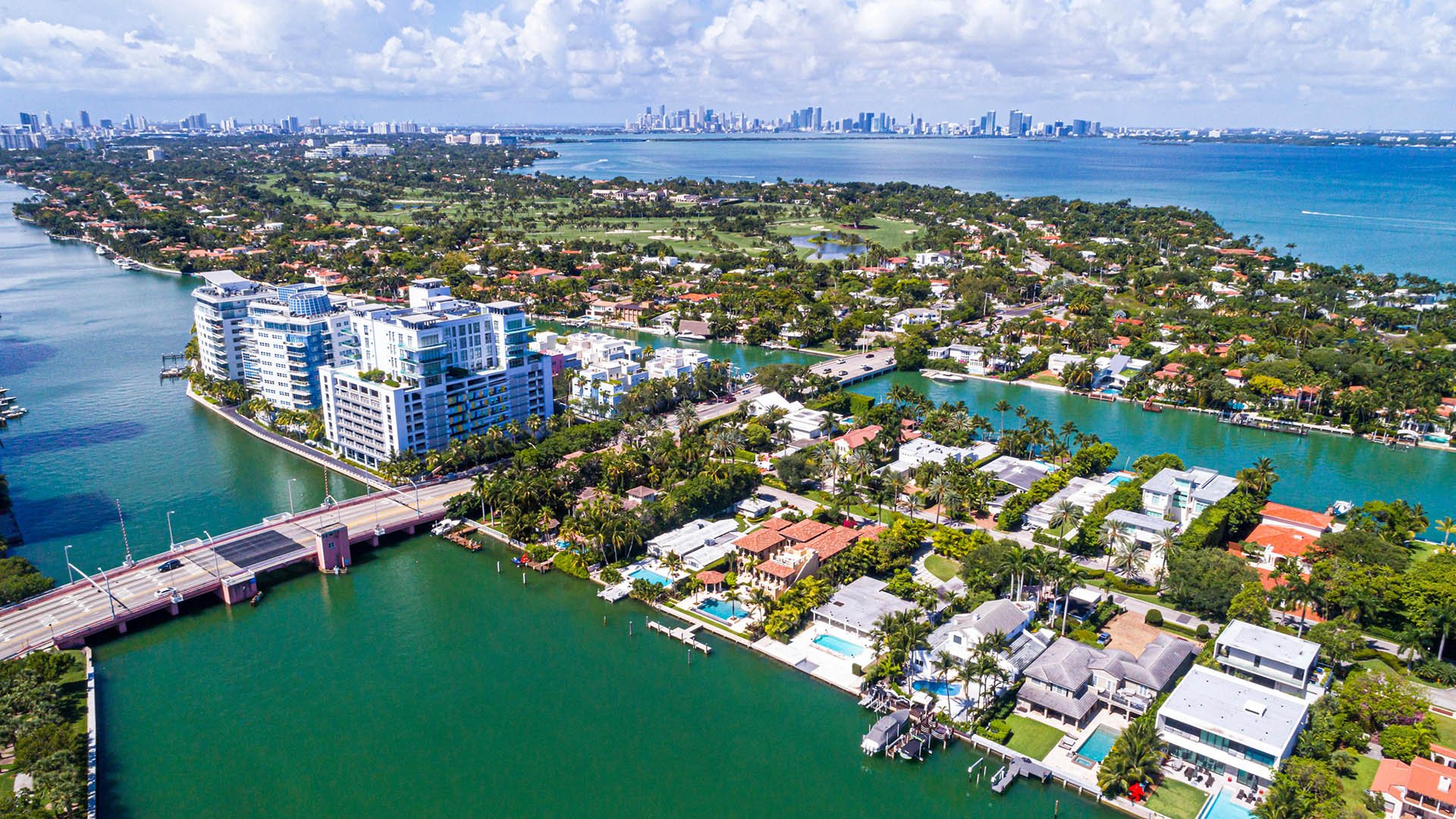
For an Amsterdam buyer, acquiring a Miami Beach residence can be a decisive personal and financial step. Ownership alone, however, does not establish Florida as the permanent home. Florida domicile rests on intent, supported by conduct, records and a coherent shift in the center of daily life.
That distinction matters because four questions can coexist without yielding the same answer: Florida domicile, U.S. federal tax residency, immigration status and Netherlands tax residency. A Florida-focused file should not be treated as proof that Dutch tax residence has ended, and immigration permission should not be mistaken for domicile. Dutch and cross-border consequences require separate professional advice.
The strongest file makes legal intent, physical presence and residential life tell the same story.
Florida imposes no statutory minimum number of days for domicile. The familiar 183-day threshold generally belongs to another jurisdiction’s residency rules, not Florida domicile law. Spending more than 183 days in Florida may provide useful evidence, but it cannot cure a record showing that the buyer’s strongest personal and economic connections remain elsewhere.
Conversely, a person may establish Florida domicile while still meeting a former state’s statutory-residency test if its day-count and permanent-place-of-abode requirements apply. For an international buyer, the practical lesson is broader: never import one jurisdiction’s day rule into another jurisdiction’s legal analysis.
Partial days require particular care. Some departure-state regimes count any part of a day as a full day. Transit, overnight flights and brief visits should therefore be classified under the rules of the relevant jurisdiction, not by intuition.
An audit-ready record is easier to maintain when organized around three propositions: the buyer intended Florida to be the permanent home, was physically present where claimed and genuinely used the Miami Beach residence as the center of everyday life.
Florida residents may file a sworn Declaration of Domicile with the circuit-court clerk in their county of residence. The declaration identifies the Florida abode as the filer’s permanent home and can accommodate ownership of homes elsewhere. It is meaningful evidence of intent, but it cannot stand alone. An audit examines the broader pattern of conduct and connections.
Where applicable, this folder may also include a Florida homestead-exemption filing, voter registration and voting activity, a Florida driver’s license, vehicle registrations, and Florida-focused wills, trusts and powers of attorney. Tax, banking, brokerage and insurance records should consistently use the Miami Beach address. Every item should reflect the buyer’s circumstances, eligibility and professional advice.
Maintain a contemporaneous location log assigning one jurisdiction to every calendar day. Support each entry with independently generated records, including airline itineraries, calendars, credit-card transactions and phone data. Toll activity, building-access records and other electronic records created in the ordinary course of life may also establish location.
The goal is not to assemble disconnected screenshots after an inquiry begins. It is to preserve an orderly chronology from the move date. The log should account for travel days, short visits and inconsistencies before memories fade. Household members and advisers involved in recordkeeping should use the same classification protocol.
The deed and closing statement belong in this folder, but they are only the foundation. Add utility histories, insurance records, renovation and furnishing invoices, household staffing arrangements, recurring maintenance contracts and other evidence that the home is equipped and used as a permanent residence.
Daily-life connections can be equally revealing. Florida medical providers, professional advisers, clubs, religious organizations and recurring local spending can demonstrate that ordinary life occurs in South Florida. The evidence should emerge naturally from actual behavior, not resemble a checklist completed solely for an audit.
A luxury home can be both an exceptional acquisition and a source of practical evidence. Buyers considering The Perigon Miami Beach or Shore Club Private Collections Miami Beach should look beyond the closing file. Utilities, insurance, furnishings, service relationships and access history can collectively document recurring residential use.
The same discipline applies when evaluating The Ritz-Carlton Residences® Miami Beach or Five Park Miami Beach. Project selection does not determine domicile. What matters is whether the chosen residence functions as the buyer’s permanent, primary home in a manner consistent with declarations and public records.
This is where real-estate diligence meets personal recordkeeping. A waterfront address or a property acquired partly for investment considerations can still serve as a domicile, but the documented facts must establish more than occasional occupancy. A second-home pattern should not be relabeled as permanent residence without a corresponding change in behavior.
Retained ties to a former jurisdiction can weaken a Florida position, particularly when they include a readily available former home, active business connections or substantial personal affiliations. Not every overseas relationship can or should disappear. The objective is to identify contradictions early and address them where practical, lawful and consistent with the buyer’s actual intentions.
This is especially important for Amsterdam households whose lifestyle remains internationally distributed. Travel may be frequent, family connections may span countries and several residences may remain in use. The file must therefore be more precise, not more theatrical. It should demonstrate why Miami Beach is permanent while accurately documenting time and continuing connections elsewhere.
Domicile planning works best before or at relocation. Coordinate the Declaration of Domicile, address changes, eligible public filings, estate documents, day-count procedures and residential setup to create a consistent timeline. Tax counsel, immigration counsel and estate advisers should address their distinct domains without allowing one conclusion to substitute for another.
The result is not a single perfect document, but a durable body of evidence showing intent, presence and a functioning Florida home-maintained in real time and capable of being understood years later.
For discreet guidance on selecting a Miami Beach residence that supports the life you intend to establish, connect with MILLION.
If branded residences are on your mind — as a home or as an allocation — we would be glad to share what we are seeing, privately.
Begin a quiet conversationNo. Florida has no statutory minimum day count for domicile, and the 183-day threshold usually comes from another jurisdiction’s residency rules.
No. The deed supports the file, but intent must align with conduct, physical presence and genuine use of the home.
It records the filer’s sworn intent to maintain the Florida abode as a permanent home. A dispute will still consider the broader pattern of connections and behavior.
Yes. A former state may still treat the person as a statutory resident if its day-count and permanent-place-of-abode tests are met.
Keep a contemporaneous log assigning one jurisdiction to every day, then support it with travel, calendar, transaction, phone and other independent records.
Apply the specific rules of the jurisdiction being tested. Some departure-state regimes count any part of a day as a full day.
Useful records include closing documents, utilities, insurance, renovations, furnishings, staffing, maintenance contracts and building-access activity.
For an eligible primary residence, a homestead-exemption filing can support a domicile position, though it is not conclusive alone.
Not automatically. Florida domicile and Netherlands tax residency are distinct questions requiring separate professional advice.
It should begin before or at the move date so legal filings, location evidence and changes in daily life form a consistent timeline.