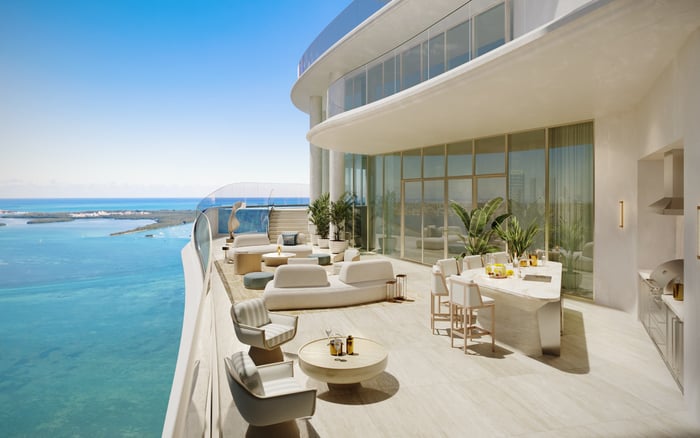
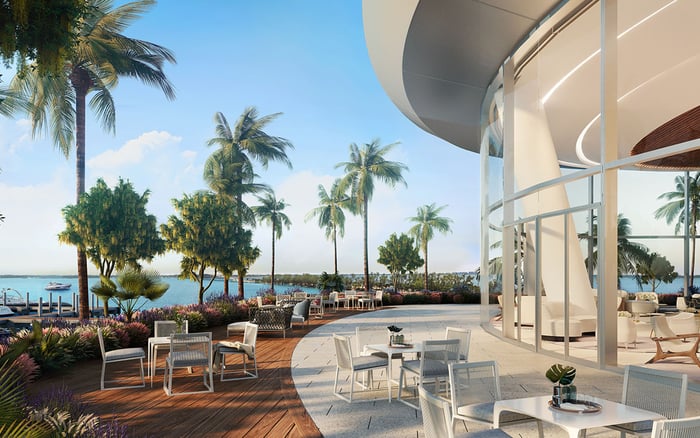
An editorial look at St. Regis Residences Brickell as a branded residential address where hospitality-led service, privacy, and urban access shape the purchase rationale.
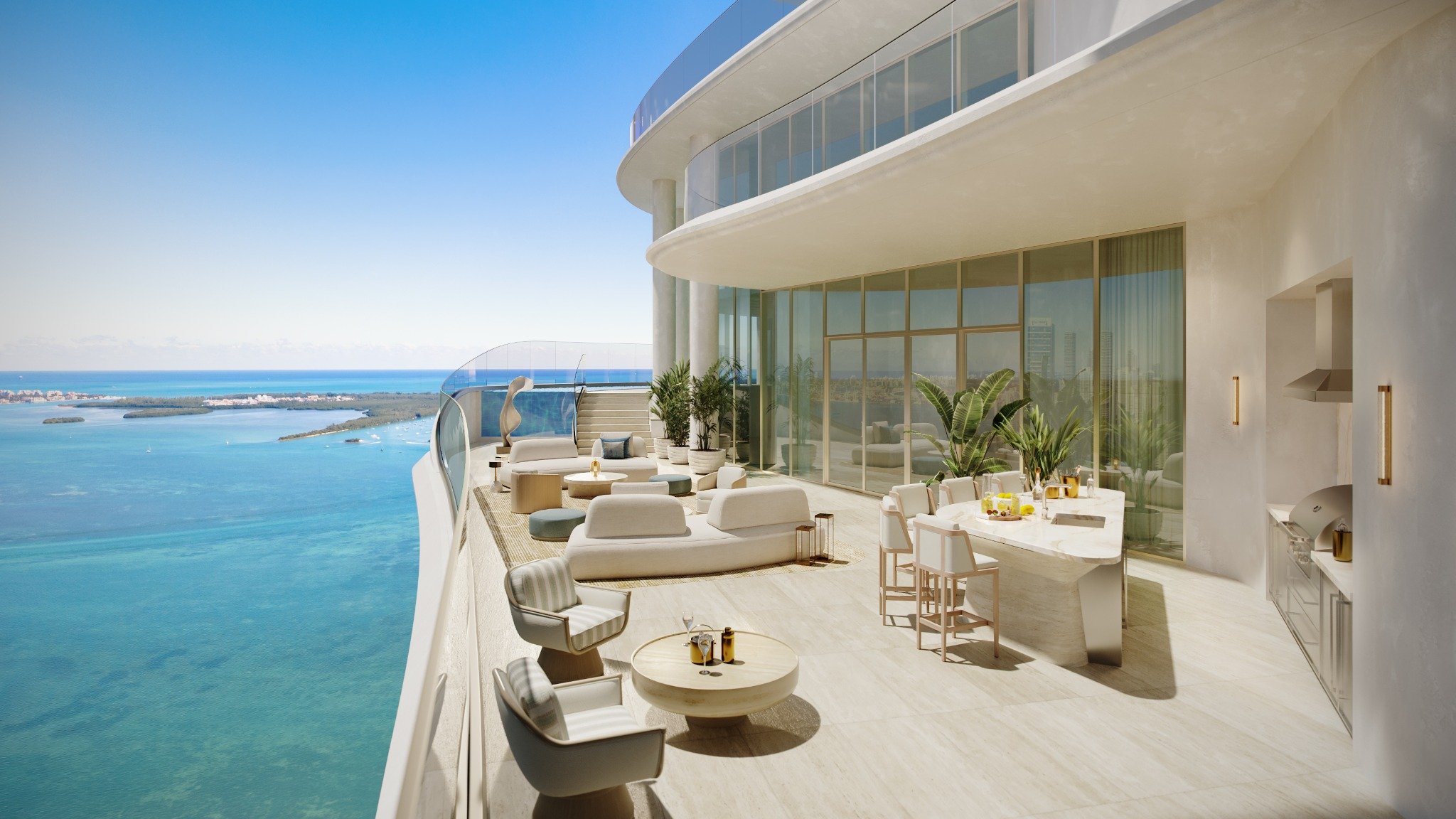
In Miami’s most competitive luxury corridors, the line between a beautiful condominium and a true branded residence is increasingly operational. Finishes, views, spa spaces, dining access, and private amenities may shape first impressions, but the enduring value proposition is often determined by how daily life is managed. St. Regis Residences Brickell sits squarely within that conversation: a private condominium experience in Brickell framed by St. Regis-style hospitality service, personalized attention, and a residential ecosystem designed to feel composed before a resident has to ask.
That distinction matters for sophisticated buyers. A branded residence is not simply a tower with a famous name. Its promise is the layering of hotel-grade service protocols onto permanent ownership. At St. Regis Residences Brickell, the brand association signals white-glove service and anticipatory care as core elements of the lifestyle, not secondary amenities attached to a conventional luxury condominium.
For buyers comparing Brickell addresses, the question is not only whether a building is impressive. It is whether the experience can remain consistently effortless across arrival, entertaining, wellness, dining, privacy, and the ordinary transitions of an urban day.
The strongest argument for St. Regis Residences Brickell is service integration. The project is positioned around a managed lifestyle, with the St. Regis name carrying expectations of discretion, refinement, and personalized attention. Butler-style service is part of that differentiation, especially for residents who value assistance that feels anticipatory rather than transactional.
This matters because the ultra-premium buyer is often purchasing time as much as space. A residence that can coordinate, simplify, and elevate routine moments carries a different logic from one that merely offers high-end common areas. Privacy, convenience, and brand prestige become part of the same equation. The service layer allows the home to function as a private base in the city while retaining some of the polish associated with international hospitality.
That positioning also raises the standard. When service quality is central to the purchase rationale, operational execution becomes inseparable from brand credibility. The name creates the expectation; the day-to-day experience must sustain it. In that sense, St. Regis Residences Brickell is best understood not just as real estate, but as a hospitality-led residential platform.
Brickell gives the project a specific identity. This is not a resort-style proposition built around distance from the city. It is an urban-luxury proposition built around proximity, vertical living, walkability, and access to Miami’s business, dining, retail, waterfront, and cultural infrastructure. The neighborhood’s density is part of the appeal, particularly for buyers who want a Miami residence connected to the pace and convenience of the metropolitan core.
That makes Brickell different from beachfront or estate-oriented markets. The value is not isolation alone, but controlled privacy within a highly active setting. Biscayne Bay and waterfront-oriented living remain central to the area’s appeal, yet the daily rhythm is distinctly urban. A resident can move between professional commitments, dining, wellness, and social life without treating each transition as a logistical event.
This is why the broader Brickell market has attracted multiple luxury concepts with sharply defined identities. Baccarat Residences Brickell speaks to buyers drawn to an internationally recognized design and hospitality aura, while Cipriani Residences Brickell reinforces the neighborhood’s appetite for lifestyle-driven residential brands. Within that context, St. Regis Residences Brickell emphasizes service as the central organizing principle.
The ideal buyer for this concept is globally mobile, brand-aware, and highly selective about how a residence performs. For such a buyer, a Miami home may serve as a primary urban base, a second home, or a recurring seasonal address. In each case, the appeal lies in predictability. The residence should feel private, polished, and ready, supported by a service culture that reduces friction.
This is where a branded residence separates itself from a traditional luxury condominium. A conventional building may offer generous amenities and attentive staff. A branded residence asks the buyer to believe in a more complete system: a recognizable hospitality standard, a service language, and a curated way of living. Food-and-beverage access contributes to that lifestyle by adding a social and convenience layer, while spa and wellness amenities support a daily rhythm that feels intentionally managed.
In Brickell, buyers also weigh the tower’s relationship to the neighborhood. The Residences at 1428 Brickell and Una Residences Brickell demonstrate how the district can support distinct luxury narratives, from architectural presence to bay-oriented living. St. Regis Residences Brickell enters that field with a different emphasis: the refinement of service as a defining residential amenity.
For South Florida buyers, the choice between a resort environment and an urban address is often a lifestyle decision before it is a real estate decision. Brickell does not try to imitate a beachfront enclave. Its luxury is expressed through immediacy: high-rise living, professional access, dining options, retail proximity, and a constant visual relationship with the city and bay.
That urban positioning can be especially attractive to residents who move between Miami and other global cities. They may not want the separation of a resort setting every time they are in town. They may prefer a branded home that can support business, entertaining, wellness, and privacy in one vertical environment. The St. Regis association gives that urban life a hospitality frame, creating a residential experience intended to feel both metropolitan and carefully attended.
The comparison set in Brickell is therefore less about which project is generically luxurious and more about which lifestyle system best matches the buyer. A service-led residence appeals to those who prioritize ease and continuity. A design-led or architecture-led residence may appeal to a different sensibility. The strongest Brickell buyers often understand these nuances and choose according to how they want to live, not only what they want to own.
The branded-residence model depends on trust. In the case of St. Regis Residences Brickell, the brand gives buyers a shorthand for service, but the lasting measure is consistency. Does the hospitality layer remain discreet? Does personalized attention feel natural rather than scripted? Does the building’s daily operation support privacy while delivering convenience? These questions become central because service is not a static feature.
For ultra-premium buyers, the most persuasive buildings are those where architecture, amenities, location, and operations reinforce one another. Brickell supplies the metropolitan setting. The St. Regis identity supplies a service expectation. The residence must bring those elements together into a lifestyle that feels seamless.
That is the project’s essential positioning: branded ownership in Miami’s urban core, shaped less by spectacle than by the promise of attentive, hospitality-led living.
What defines St. Regis Residences Brickell? It is positioned as a luxury branded residential project in Brickell combining private condominium ownership with St. Regis-style hospitality service.
Is the main appeal the brand or the location? The appeal is the intersection of both: a recognized hospitality brand embedded within Brickell’s dense, high-rise urban environment.
How is it different from a traditional luxury condo? The branded residence model layers hotel-grade service protocols onto residential ownership, making service central to the value proposition.
Why is Butler-style service important? Butler-style assistance supports anticipatory, personalized service for residents who want daily life to feel managed and discreet.
What type of buyer is most aligned with this concept? It suits globally mobile high-net-worth buyers who value privacy, brand prestige, convenience, and a recognizable Miami address.
Does Brickell make this more urban than resort-like? Yes. Brickell supports an urban-luxury positioning defined by walkability, high-rise living, business access, dining, retail, and waterfront proximity.
Are wellness amenities part of the positioning? Spa and wellness offerings are treated as core components of the branded-service package and the broader luxury lifestyle.
How does food and beverage access fit the lifestyle? It adds a hospitality-driven social and convenience layer, helping the residence function beyond a private home alone.
What should buyers evaluate carefully? Buyers should focus on whether service quality, privacy, convenience, and operational consistency support the brand promise over time.
Why does Brickell remain relevant for branded residences? Brickell offers the metropolitan access, density, waterfront appeal, and luxury high-rise context that branded urban residences require.
If you'd like a private walkthrough and a curated shortlist, connect with MILLION.
If branded residences are on your mind — as a home or as an allocation — we would be glad to share what we are seeing, privately.
Begin a quiet conversation