A buyer-focused comparison of North Bay Village and Edgewater, examining how daily movement, privacy, arrivals, waterfront living, and building service expectations shape the luxury residential decision.
For luxury buyers comparing North Bay Village and Edgewater, the defining distinction is not simply location. It is how each place feels from morning to evening: how one leaves home, receives guests, reaches restaurants, manages deliveries, walks a dog, waits for a car, or returns after dinner. In South Florida’s upper tier, these small rituals determine whether a residence feels effortless or merely impressive.
Edgewater reads as a more urban waterfront setting. Its appeal is tied to movement, proximity, and a lifestyle connected to nearby cultural, dining, and design districts without requiring every outing to become a planned excursion. North Bay Village, by contrast, is often chosen for a quieter, more private residential mood. Buyers are typically drawn to the idea of separation from the city’s denser corridors while remaining close enough to participate in them selectively.
That contrast matters because walkability and service expectations are linked. The more a neighborhood encourages spontaneous movement, the more residents expect seamless building operations to support frequent comings and goings. The more a neighborhood emphasizes privacy and retreat, the more service is judged by discretion, arrival control, and the ability to preserve calm.
In Edgewater, walkability is often understood as convenience with polish. Buyers may value the ability to step outside and feel immediately connected to the city’s rhythm. The neighborhood’s luxury proposition is not about replacing the private car entirely. Rather, it is about reducing dependence on it for every small decision.
That distinction is important. A resident may still keep multiple vehicles, use a driver, or rely on valet service, but the option to walk changes the psychology of daily life. A coffee meeting, an early dinner, a fitness appointment, or a waterfront stroll can feel less formal. For buyers accustomed to dense global cities, this is familiar luxury: the residence becomes a private base within a larger urban fabric.
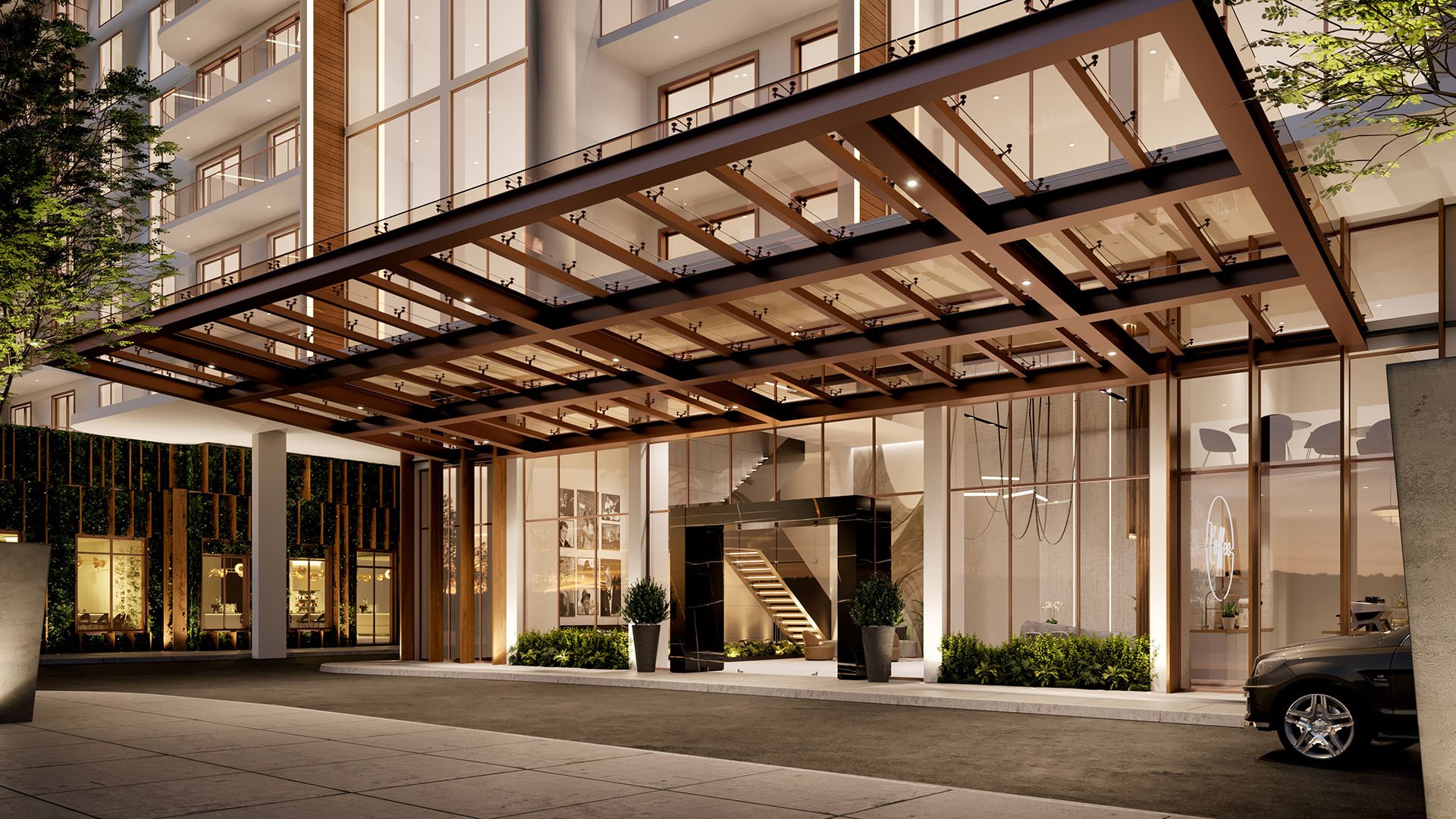
Service expectations in Edgewater tend to follow that pattern. Residents often want lobby teams, valet staff, package handling, and building access to operate with speed and fluency. The building is not simply a place to return to at night. It is a hub through which residents may pass several times a day. That creates a premium on choreography: elevators, porte-cochère flow, guest arrival procedures, and front-desk responsiveness all become part of the living experience.
North Bay Village offers a different emotional proposition. The appeal is often the sense of crossing into a more residential frame of mind, where the pace shifts and the day feels less exposed to the city’s constant motion. In this context, walkability may matter, but it is not always the lead criterion. Buyers may be more focused on the arrival sequence, the view corridor, the privacy of the residence, and the ease of moving by car to surrounding destinations.
This does not make North Bay Village less sophisticated. It simply changes the hierarchy. A buyer considering Continuum Club & Residences North Bay Village, Pagani North Bay Village, or Shoma Bay North Bay Village may be comparing the neighborhood through the lens of retreat: How calm is the approach? How private does the lobby feel? How well does the building manage the line between hospitality and residential discretion?
North Bay Village may look simple in a search field, but the lifestyle it represents is more nuanced. For many luxury residents, the value is in being close to Miami’s energy without living inside its most active pedestrian zones. That can be especially compelling for buyers who entertain at home, prioritize water-facing moments, or prefer a quieter return after the city.
The difference between the two neighborhoods becomes clearest at the building entrance. In Edgewater, service is often measured by agility. A resident may move from car to lobby to elevator quickly, meet friends nearby, return briefly, then leave again. The best service culture in that setting feels alert, anticipatory, and comfortable with pace.
In North Bay Village, service is more likely to be judged by composure. Residents may place higher value on controlled access, calm valet interactions, careful guest handling, and a sense that the building never feels overly public. The service standard is still high, but its tone is quieter. Staff should know when to appear and when to recede.
This is one reason new-construction decisions require more than a review of finishes and amenities. A beautiful lobby does not guarantee a refined arrival. A generous amenity deck does not ensure that weekend guest traffic will feel well managed. Buyers should ask how the building is intended to function at peak moments, how deliveries are separated from resident movement, and how visitors are greeted without compromising privacy.
The most successful luxury buildings understand their neighborhood context. Edgewater benefits from service teams that can handle urban velocity. North Bay Village benefits from service teams that protect a residential cadence.
Walkability is sometimes treated as a single metric, but for high-end buyers it is more personal. One buyer may define it as the ability to dine without a car. Another may define it as a pleasant route for a morning walk. A third may care less about walking to restaurants and more about whether staff can quickly arrange transport, receive packages, or prepare the residence for guests.
In Edgewater, walkability often supports spontaneity. The neighborhood can appeal to residents who want their home integrated with a broader social and cultural day. This can suit professionals, seasonal residents who like an urban base, and buyers who prefer to choose between walking, driving, or being driven depending on the occasion.
In North Bay Village, walkability may be secondary to atmosphere. The buyer is not necessarily rejecting convenience. Rather, the buyer may be prioritizing the privacy of the setting over the immediacy of the sidewalk experience. That is a legitimate luxury preference, especially in a market where exposure, traffic, and intensity can alter how restful a residence feels.
The strongest way to choose between Edgewater and North Bay Village is to audit a normal week. If your routine includes frequent short outings, informal dining, quick meetings, and a desire to feel connected to the city without planning every move, Edgewater may feel more natural. Its luxury is kinetic, polished, and urban.
If your routine is centered on privacy, home entertaining, waterfront atmosphere, and a more composed return from the city, North Bay Village may be the more intuitive choice. Its luxury is not about being removed from Miami. It is about choosing when and how to engage with it.
In both cases, the building matters as much as the neighborhood. A residence can only deliver its promise if the service model aligns with the location. The right Edgewater building should make urban movement feel elegant. The right North Bay Village building should make privacy feel effortless.
Is Edgewater generally better for walkability? Edgewater is typically the more urban choice for buyers who want frequent movement and nearby daily conveniences.
Is North Bay Village less convenient than Edgewater? Not necessarily. It offers a different convenience profile, often centered on privacy, calmer arrivals, and selective access to the city.
Which neighborhood feels more private? North Bay Village often appeals to buyers seeking a more residential, retreat-like atmosphere with less sidewalk intensity.
Which area suits buyers who dine out often? Edgewater may suit buyers who value spontaneous urban outings and a lifestyle less dependent on planning every trip by car.
How should I evaluate building service in Edgewater? Focus on valet speed, lobby coordination, package handling, guest flow, and how well the building supports frequent comings and goings.
How should I evaluate building service in North Bay Village? Look for discreet staffing, controlled access, calm arrival sequences, and a service culture that protects residential privacy.
Do amenities matter more than location? Amenities matter, but they should reinforce the lifestyle you want from the neighborhood rather than compensate for a mismatch.
Can both neighborhoods work for seasonal residents? Yes. Edgewater may feel more connected and social, while North Bay Village may feel more restful between Miami engagements.
Should investors think differently about these areas? Investors should consider the lifestyle profile each neighborhood offers and whether the building service model supports that audience.
What is the best way to shortlist comparable options for touring? Start with location fit, delivery status, and daily lifestyle priorities, then compare stacks and elevations to validate views and privacy.
For a discreet conversation and a curated building-by-building shortlist, connect with MILLION.
If branded residences are on your mind — as a home or as an allocation — we would be glad to share what we are seeing, privately.
Begin a quiet conversation