A discreet due-diligence framework for Hamptons owners considering a Miami Beach waterfront residence, from shoreline conditions and boating access to privacy, insurance, title, renovations, and seasonal use.
For buyers arriving from The Hamptons, the first mistake is searching for a direct Florida equivalent. Miami Beach offers a different relationship among water, architecture, privacy, boating, and daily movement. A better approach is to identify what truly matters in the northern residence, then rebuild that brief for a subtropical, year-round setting.
Begin with the essentials: direct water views or boat access; a house or condominium; quiet seclusion or immediate access to dining; and turnkey condition or renovation potential. A second home may also require effortless management during long absences. Settle these priorities before comparing finishes, amenity programs, or presentation.
The guiding principle is simple: treat each waterfront property as a distinct operating environment, not merely a beautiful address.
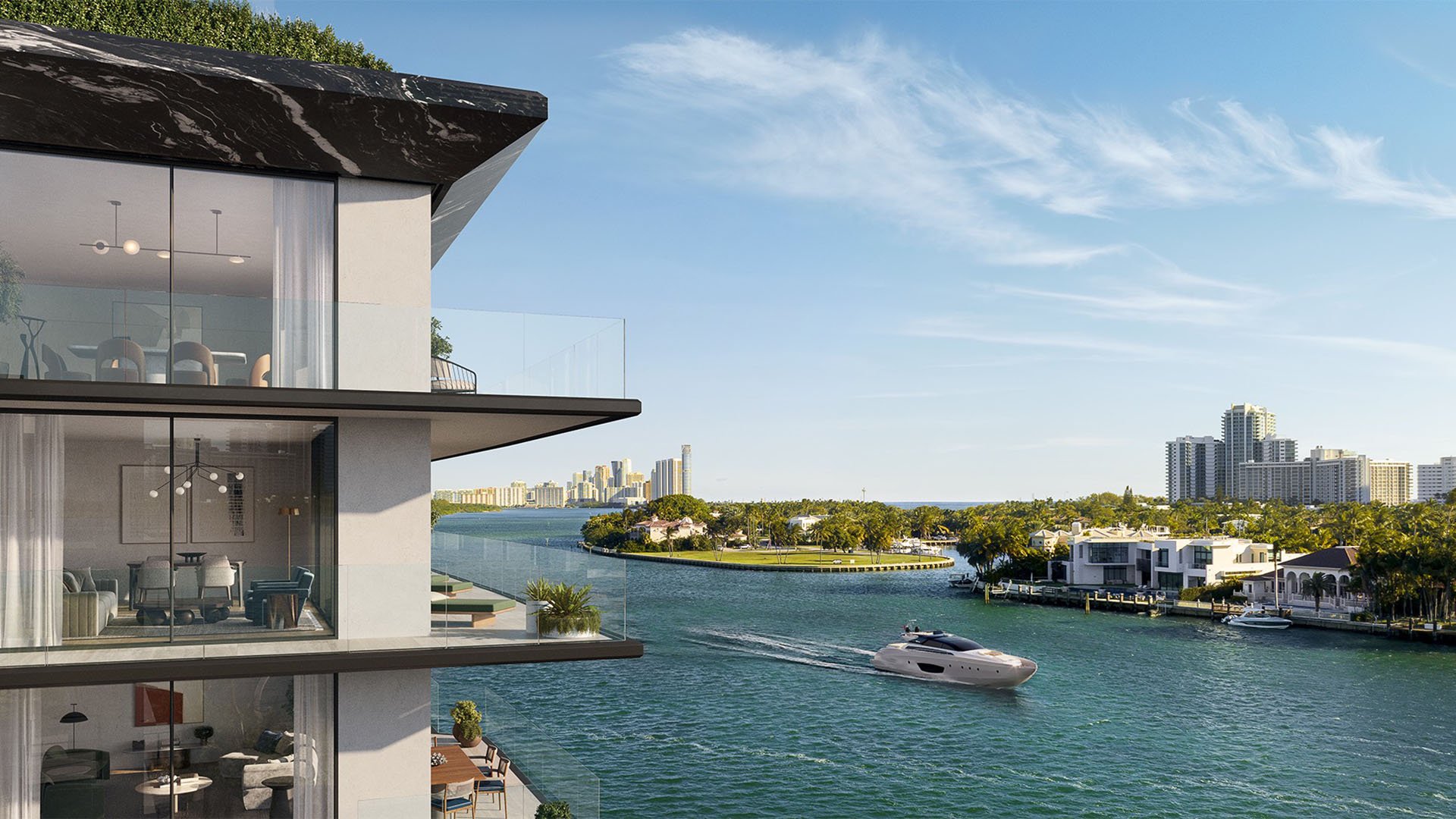
Waterfront living in Miami Beach is not a single category. A buyer may prefer an open-water outlook, a more sheltered residential setting, or proximity to the ocean. Each choice can shape privacy, wind exposure, vessel practicality, outdoor use, and the atmosphere at different times of day.
Condominiums can provide a useful benchmark for service and maintenance expectations. 57 Ocean Miami Beach and The Perigon Miami Beach can help define the appeal of an oceanfront lifestyle. Buyers exploring another residential format can also compare The Ritz-Carlton Residences® Miami Beach. These residences are starting points for clarifying preferences, not substitutes for property-specific diligence.
Visit each candidate at more than one hour of the day. Observe the outlook, neighboring activity, sunlight, outdoor comfort, and transition from street to residence. A view that photographs beautifully may feel quite different within the routines that will define ownership.
For a single-family purchase, the seawall, dock, pilings, drainage, pool area, landscaping, and exterior envelope warrant a coordinated review by qualified specialists. Request available permits, plans, maintenance records, warranties, repair documentation, and correspondence relating to waterfront improvements. Confirm that the property's physical condition aligns with the records reviewed by the buyer's advisers.
Boaters should make the vessel part of due diligence from the outset. Evaluate whether the dock configuration, water depth, route, turning space, bridge considerations, utilities, and boarding arrangement suit the intended boat and operating style. Verify these points for the specific property and vessel rather than inferring them from marketing language.
For estates and single-family homes, commission inspections that address the residence as an integrated system. The roof, glazing, electrical equipment, mechanical systems, generators, elevators, smart-home controls, and exterior materials may all influence the ownership plan. Obtain specialist opinions before the contractual deadlines established by counsel.
Waterfront purchases can involve several layers of documentation. Experienced Florida counsel should review title, survey matters, recorded restrictions, access, easements, ownership structure, contract protections, and any issues affecting docks or shoreline elements. The objective is not simply to close, but to understand precisely what is being acquired and what may be changed.
If renovation is contemplated, involve an architect or contractor early. Test the concept against the existing structure, site conditions, applicable approvals, and realistic sequencing. Do not assume that a neighboring home's design establishes what will be possible on the property under consideration.
Condominium buyers require a parallel review of governing documents, budgets, assessments, insurance information, reserves, rules, and alteration procedures. A residence such as Shore Club Private Collections Miami Beach may help frame design preferences, while the buyer's advisers must still evaluate the documents and obligations attached to the actual purchase.
Purchase price is only the opening line of a waterfront ownership budget. Before making an offer, request property-specific guidance on insurance availability and terms, taxes, association obligations where applicable, landscape and pool care, dock and seawall maintenance, security, household staffing, utilities, and periodic capital work.
Explore insurance early, not after becoming emotionally committed to a residence. Share available property details with appropriate professionals and compare proposed coverage, exclusions, deductibles, inspections, and conditions. Apply the same discipline to ownership structuring and tax planning: engage legal and tax advisers who can assess the buyer's circumstances rather than relying on general assumptions about moving to Florida.
The Hamptons buyer often values privacy, but in Miami Beach it has several dimensions. Consider exposure from the street, water, neighboring terraces, passing vessels, and elevated buildings. Study window placement, landscape screening, lighting, security, guest arrival, service access, and where staff or vendors will work.
Then rehearse ordinary life. Drive the routes that matter, evaluate arrival at busy times, and consider how groceries, deliveries, household maintenance, pets, guests, and airport transfers will function. If the home will be vacant for extended periods, establish who will oversee weather preparation, mechanical alerts, exterior conditions, and post-event inspections.
The right property should satisfy both the exceptional weekend and the uneventful Tuesday. That standard keeps lifestyle decisions connected to enduring ownership quality.
A refined search proceeds in order: define the desired relationship with the water, choose the residential format, shortlist micro-locations, inspect the physical asset, verify boating requirements, review legal and association documents, price insurance and operations, and only then finalize value judgments.
This sequence prevents a dramatic view or newly finished interior from eclipsing structural, legal, or practical considerations. It also creates a clear basis for comparing Miami Beach opportunities, particularly when one candidate offers greater privacy and another simpler management.
Should a Hamptons buyer begin with a house or condominium? Begin with the desired level of privacy, control, service, and maintenance responsibility. The right format follows the intended ownership routine.
Is every waterfront home suitable for a large boat? Make no assumptions. Have qualified specialists verify the dock, depth, route, access, and vessel-specific requirements.
What should be reviewed before relying on an existing dock? Review its condition, configuration, available permits, plans, repair history, utilities, and suitability for the intended use.
Why visit a property at different times? Light, activity, privacy, traffic, wind, and the character of outdoor areas can change throughout the day.
When should insurance be investigated? Begin during early due diligence so proposed terms, inspections, deductibles, exclusions, and conditions can inform the decision.
What records matter for a renovated home? Request available permits, plans, warranties, invoices, maintenance records, and documentation for significant alterations or repairs.
How should buyers assess seawall condition? Engage an appropriately qualified specialist and connect the findings to repair planning, documentation, and the broader property review.
What deserves attention in condominium documents? Counsel should review governing documents, budgets, assessments, insurance information, reserves, rules, and alteration procedures.
Can a neighboring renovation indicate what is permitted? Do not treat it as confirmation. Test plans for the specific property with qualified design, construction, and legal advisers.
What is the final test before making an offer? Confirm that the water setting, physical condition, documentation, privacy, operating plan, and total costs support the intended lifestyle.
For a discreet conversation and a curated building-by-building shortlist, connect with MILLION.
If branded residences are on your mind — as a home or as an allocation — we would be glad to share what we are seeing, privately.
Begin a quiet conversation