A discreet buyer’s guide to evaluating Fort Lauderdale waterfront residences through the lens of privacy, circulation, arrival, amenities, and daily livability.
For an ultra-premium buyer, waterfront privacy means more than a dramatic outlook or guarded entrance. It is the cumulative effect of arrival, elevator circulation, residence orientation, amenity placement, guest movement, service access, and the cadence of daily operations. A property can feel serene at noon yet distinctly busier at sunset, on weekends, or during private events.
That distinction matters in Fort Lauderdale, where buyers may be weighing several interpretations of waterfront living. Some prefer an ocean-facing address, while others value a quieter relationship with the waterways and boating. The strongest choice is personal rather than universal: a residence should protect the owner’s preferred routine without isolating them from the setting they came to enjoy.
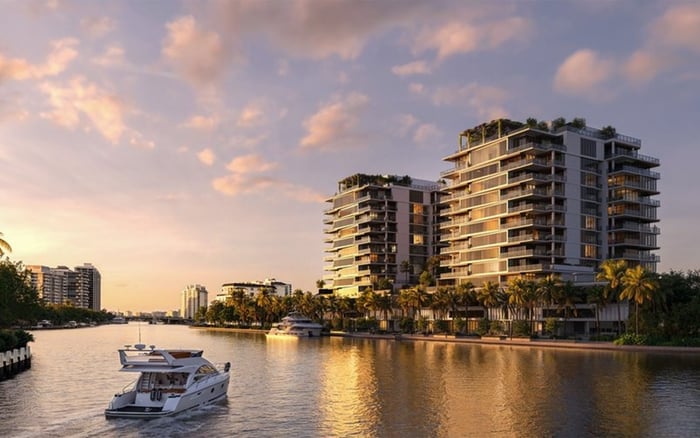
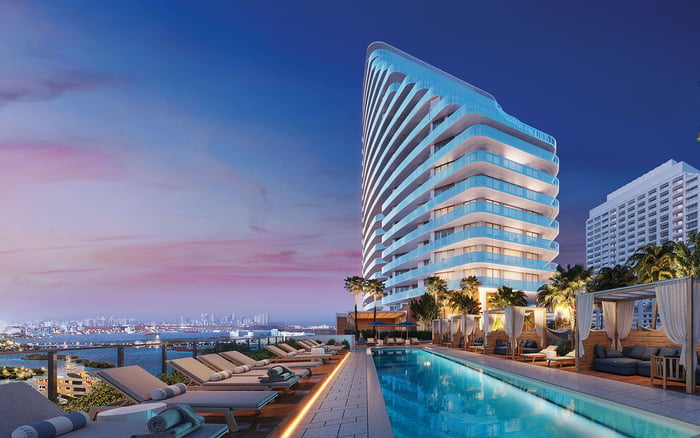
A productive search begins with a deliberately varied tour schedule. Auberge Beach Residences & Spa Fort Lauderdale and Four Seasons Hotel & Private Residences Fort Lauderdale can share the same private-tour agenda, allowing buyers to compare how each environment feels rather than relying on branding or presentation alone.
The comparison should extend beyond first impressions. The Ritz-Carlton Residences® Fort Lauderdale offers another reference point for evaluating arrival sequences, shared spaces, and the transition from public-facing areas to the residence itself. Buyers considering Fort Lauderdale Beach should visit at more than one time of day and assess the route from car to front door with the same care they give the view.
For a contrasting frame, include Riva Residenze Fort Lauderdale and St. Regis® Residences Bahia Mar Fort Lauderdale in the broader conversation. The objective is not to force unlike properties into a simple ranking, but to identify which setting, circulation model, and ownership experience best suit a buyer’s threshold for activity.
Privacy is often decided before a buyer reaches the living room. Begin at the vehicle entrance. Note whether resident arrivals overlap with visitors, deliveries, staff, or event traffic. Then follow the entire route through reception, corridors, elevators, parking, and secondary access points. A polished lobby matters less than an arrival sequence that remains composed during active periods.
Inside the residence, study sightlines from neighboring homes and shared areas. Consider how terraces relate to one another, whether interior rooms are exposed when illuminated after dark, and where neighboring doors sit in relation to the entry. Higher floors may create visual separation, while lower floors can offer a more immediate connection to the water. Neither is inherently more private without accounting for orientation and surrounding movement.
Also ask how servicing occurs. Housekeeping, maintenance, deliveries, pet movement, and contractor access are part of luxury living. Their routes and schedules can preserve discretion or erode it. This is where operational detail becomes as consequential as finish quality.
Service and congestion are not synonymous. The relevant question is whether hospitality functions are integrated in a way that supports residents without making their daily route feel public. Request clarity on how guests are registered, which spaces residents share with nonresidents, how private events are managed, and whether amenity reservations can alter the atmosphere of common areas.
A long amenity menu is not automatically an advantage. A boutique environment may suit an owner who values recognition, short travel paths, and fewer transitions. A larger program may appeal to someone who wants multiple settings without leaving home. Buyers should focus on actual use: which spaces matter weekly, which matter seasonally, and which merely enlarge the brochure.
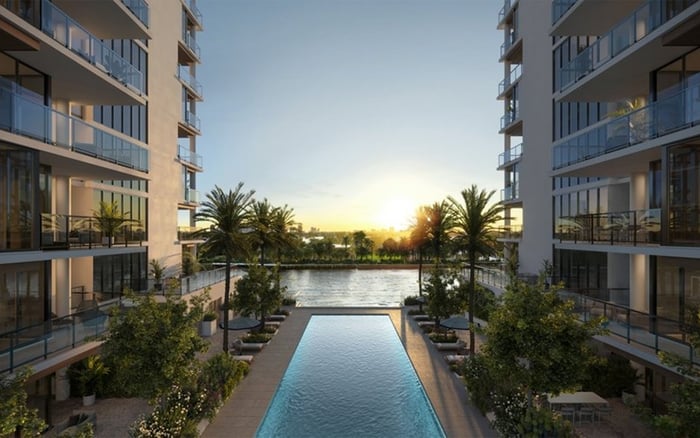
Pool placement deserves particular attention. Observe whether circulation passes directly beside lounging areas and whether sound could travel toward residences. The same applies to dining, fitness, spa, and club spaces. Privacy is strongest when active and quiet functions are clearly separated.
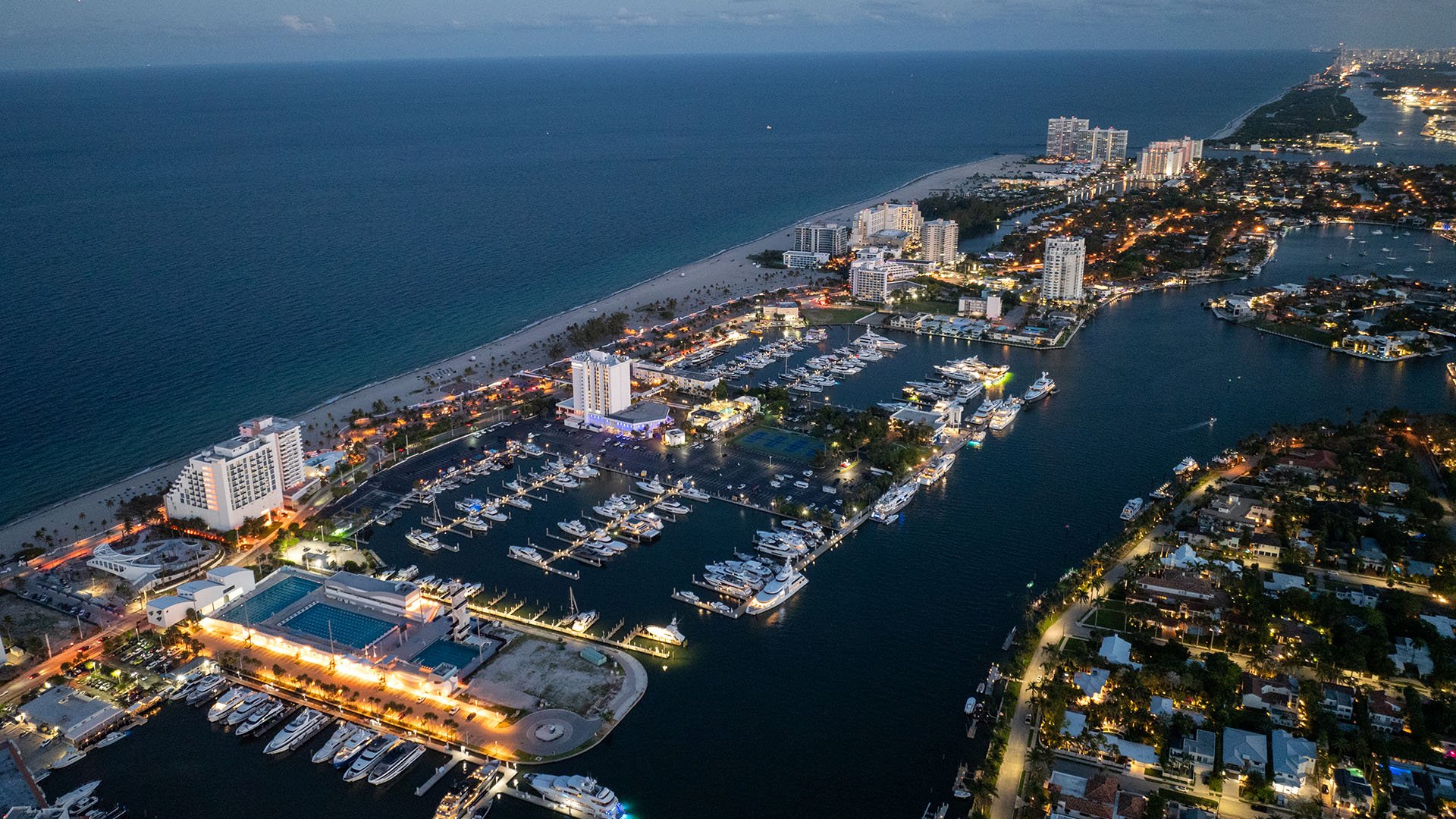
Waterfront life has its own traffic patterns. Buyers should observe vessel movement, lighting, loading, crew activity, and the sound associated with docks or nearby channels. Where a marina is part of the surrounding experience, ask how resident access, visitors, deliveries, and special activity are controlled. A beautiful water view and a calm residential rhythm are related, but they are not identical.
Boat owners should investigate practical requirements separately from residential preferences. Confirm dimensions, access procedures, utilities, operating rules, insurance obligations, and any assignment or transfer restrictions directly in the governing materials. Even buyers without a boat should understand how marine activity may shape views, privacy, and daily ambience.
Tour once during a quiet weekday period and again when the surrounding area is more active. Use the resident entrance, wait for the elevator, walk the garage route, stand on the terrace, and pause in the principal bedroom. Listen with doors open and closed. If possible, look outward after sunset, when reflections and illuminated interiors can alter perceived exposure.
Before committing, review governing documents, budgets, insurance information, guest rules, leasing provisions, pet policies, amenity access, event protocols, and planned work with qualified advisers. Ask management direct questions about access control and shared circulation. Privacy should be documented where possible, observed in person, and tested against the owner’s actual calendar.
The best residence is ultimately the one that makes luxury feel unforced. It should allow an owner to arrive quietly, move intuitively, entertain selectively, and engage with the waterfront on their own terms.
What defines waterfront privacy in a condominium? It combines controlled access, discreet circulation, thoughtful orientation, and predictable management of guests and services.
Does a higher floor always provide more privacy? No. Elevation may improve separation, but neighboring sightlines, terrace placement, and interior exposure still matter.
Can a hospitality-branded residence still feel private? It can, depending on how resident routes, guest access, shared amenities, and events are organized.
When should I tour a waterfront residence? Visit during both quiet and active periods, ideally including an evening when lighting and activity patterns are visible.
Which arrival details deserve attention? Study vehicle access, valet flow, reception, parking, elevators, deliveries, and the route used by guests.
How should I assess amenity congestion? Ask about access rules, reservations, events, operating hours, and whether residents share spaces with other users.
Why does residence orientation matter? Orientation affects sightlines, sunlight, terrace exposure, sound, and the relationship between interiors and neighboring homes.
What should boat owners verify? Confirm access, dimensions, utilities, operating rules, insurance requirements, and transfer restrictions in the relevant documents.
Are fewer amenities better for privacy? Not necessarily. Separation of quiet and active uses matters more than the total number of amenities.
What documents should be reviewed before purchase? Review governing documents, budgets, insurance information, policies, restrictions, and planned work with qualified legal and financial advisers.
When you're ready to tour or underwrite the options, connect with MILLION.
If branded residences are on your mind — as a home or as an allocation — we would be glad to share what we are seeing, privately.
Begin a quiet conversation