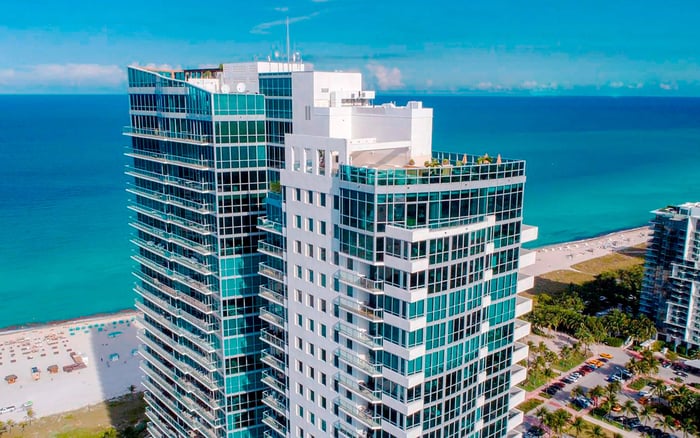
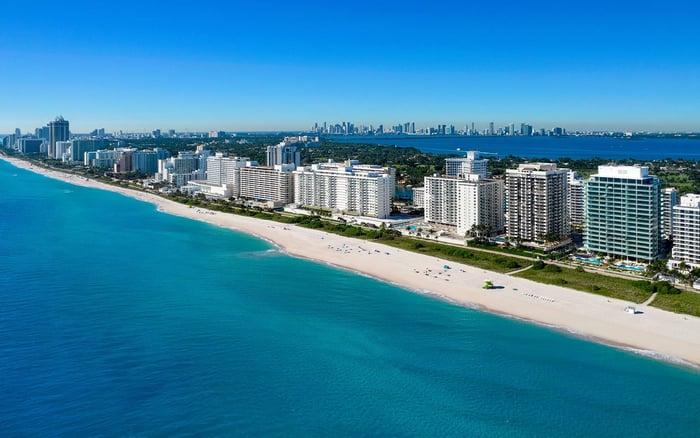
A buyer-focused framework for evaluating post-storm operations at 57 Ocean, separating association inspection authority, owner access, repair responsibility, and vendor readiness.

At 57 Ocean Miami Beach, operational due diligence should extend beyond finishes and floor plans. After a storm, the consequential questions are practical: who may inspect, which spaces remain accessible, who authorizes restoration, and whether a vendor can reach the work area. For a buyer, these answers distinguish a documented recovery framework from reassuring but incomplete assurances.
The essential distinction is between legal authority and operational readiness. An association may have a statutory basis to enter a residence without every contractor having permission to do so. Likewise, an owner's protected access does not establish that elevators, utilities, or affected spaces are ready for use. Evaluate each layer separately and request current, building-specific documentation. Do not assume the procedures described below are existing 57 Ocean policy.
Florida condominium associations have an irrevocable right to enter units during reasonable hours when necessary to maintain, repair, or replace common elements, or to prevent damage to common elements or another unit. That authority also extends to portions of a unit that the declaration assigns to association maintenance.
This right is purpose-specific, not blanket permission for buyers, private inspectors, or contractors. A purchaser arranging a post-storm inspection should establish the owner's authorization, management's access requirements, the proposed scope, and any applicable safety restrictions before scheduling the visit.
Separate statutory authority applies to legally abandoned units. At the board's discretion, the association may enter to inspect, repair, address mold or deterioration, restore utilities, or preserve the unit and adjoining common elements-even without express authorization in the recorded condominium documents. An unoccupied second residence should not simply be treated as legally abandoned; the applicable statutory conditions require confirmation.
Ask management how inspection requests are approved, how owners are contacted, and how entry and findings are documented. These are recommended diligence questions, not representations of the building's current practices.
The recorded declaration and its amendments are central to assigning inspection and maintenance responsibility. Marketing dimensions are not a reliable substitute: advertised square footages and dimensions for 57 Ocean differ from measurements based on the declaration's legal definition of the unit. The legal unit generally involves interior airspace rather than structural components and other common elements.
For a buyer, the implication is straightforward. The location of damage within a residence does not, by itself, establish who must repair it or bear the cost. Before allocating responsibility, obtain the declaration, association rules, insurance policies, relevant engineering assessments, permits, and open repair or violation notices. Have qualified advisers reconcile the affected components with those documents.
The same document-first discipline applies when evaluating alternatives such as Faena House Miami Beach. A project's presentation cannot establish its repair boundaries. Compare the governing documents and actual operating arrangements without assuming that different residences share identical procedures.
The Police Department is primarily responsible for re-entry management in Miami Beach. The city's emergency-management department no longer issues re-entry tags to condominium managers or other designated association representatives. Buyers and owners should therefore confirm current official re-entry instructions rather than rely on an assumed association credential.
The city also expects condominium associations to designate and register Emergency Response Teams composed of management personnel and prepared residents for damage assessment and building safety and security. Ask who currently fills those roles, how the team communicates, and how its assessments inform access decisions.
Municipal re-entry and permission to enter a particular building are distinct. Florida's conditional condominium emergency powers allow disaster plans that include shutting down elevators, electricity, water, sewer, security, or air-conditioning systems. Based on advice from emergency-management officials, public-health officials, or licensed professionals, a board may make portions of the property unavailable for entry or occupancy and determine whether areas can safely be accessed or inhabited.
These are not unrestricted standing powers. Confirm the applicable statutory version, emergency circumstances, and basis for any restriction before treating a general description of the law as a definitive answer.
During a state of emergency, an association generally cannot prohibit an owner's access needed for habitability, health, safety, sale, lease, or transfer, subject to statutory exceptions. Those protections do not override applicable governmental orders, safety determinations, or public-health directives prohibiting access.
For an owner living elsewhere, the practical diligence task is to establish a reliable chain of communication and authorization. Ask how management reaches the owner, what authorization a representative needs, how keys or other access arrangements are handled, and how restrictions are communicated. Do not assume an owner's access protection automatically extends to a buyer's inspector or restoration crew.
When comparing 57 Ocean with Five Park Miami Beach, use the same questions about owner contact, representative authorization, and safety clearance. The meaningful comparison is the clarity of each property's documented arrangements, not an assumed difference in recovery capability.
A recommended mobilization checklist begins with official re-entry, management authorization, and confirmation of utility and elevator status. It should also address the work scope, vendor credentials, loading arrangements, permitted work hours, and emergency contacts. Confirm each item before dispatch; arrival at the property is not approval to begin.
Once conditions are safe, inspection should consider roof damage, broken windows, flooding, and water intrusion within authorized areas. Photograph damage before cleanup and contact the insurer promptly. Documentation should support an orderly assessment without delaying necessary safety measures.
Keep inspection, immediate protective work, and reconstruction distinct in the proposed scope. Florida law generally assigns reconstruction following a property loss to the association unless otherwise provided by law. An owner undertaking reconstruction of portions of a unit generally needs prior written board consent and required governmental permits and approvals. A vendor's availability does not replace those authorizations.
Before committing, seek a coherent file that connects the affected areas, inspection findings, repair responsibility, access restrictions, insurance questions, and approved work. Where repairs remain open, ask which authorizations or safety determinations are still outstanding and who is responsible for obtaining them.
The objective is not a promise that every disruption can be avoided. It is a clear understanding of who can act, under what authority, and with which approvals. For a luxury buyer, that operational clarity is part of the residence's long-term usability, particularly when ownership involves extended absences.
For a discreet perspective on South Florida residential ownership and buyer due diligence, explore MILLION.
If branded residences are on your mind — as a home or as an allocation — we would be glad to share what we are seeing, privately.
Begin a quiet conversationFlorida law provides an irrevocable right of entry during reasonable hours for specified maintenance, repair, replacement, and damage-prevention purposes. That authority is not blanket permission for every post-storm visit.
No. A buyer should establish owner authorization, management's access requirements, and applicable safety restrictions before arranging an inspection.
It helps define the unit and identify portions assigned to association maintenance. Marketing dimensions should not be used to determine repair boundaries.
At the board's discretion, statutory authority permits entry for specified inspection, repair, preservation, and utility-restoration purposes. An unoccupied residence is not automatically legally abandoned.
Miami Beach identifies the Police Department as primarily responsible for re-entry management. Its emergency-management department no longer issues re-entry tags to condominium managers or designated association representatives.
No. Building-specific safety restrictions and utility or elevator shutdowns may still apply after municipal re-entry is permitted.
Owners generally have access protections for specified purposes, subject to statutory exceptions. Governmental orders, safety determinations, and public-health directives prohibiting access still apply.
Confirm official re-entry, management authorization, utility and elevator status, work scope, vendor credentials, loading arrangements, work hours, and emergency contacts. This is a recommended checklist, not a statement of 57 Ocean's existing policy.
An owner undertaking reconstruction of portions of a unit generally needs prior written board consent and required governmental permits and approvals. Vendor availability does not substitute for those authorizations.
Once conditions are safe, photograph damage before cleanup and contact the insurer promptly. Inspections should consider roof damage, broken windows, flooding, and water intrusion within authorized areas.