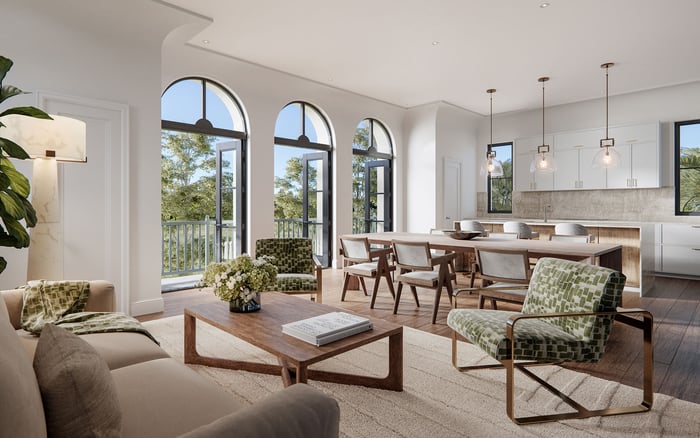
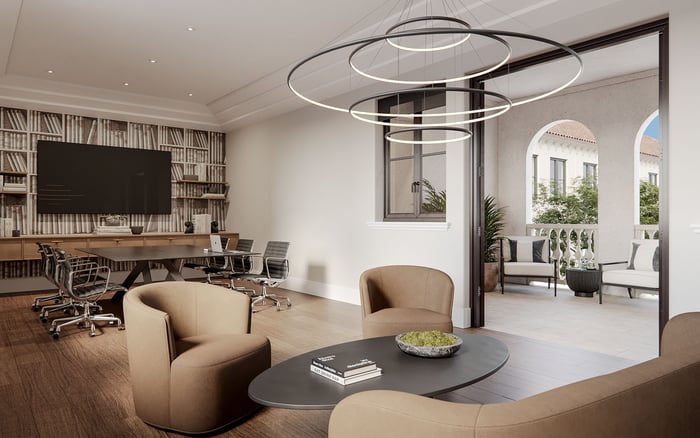
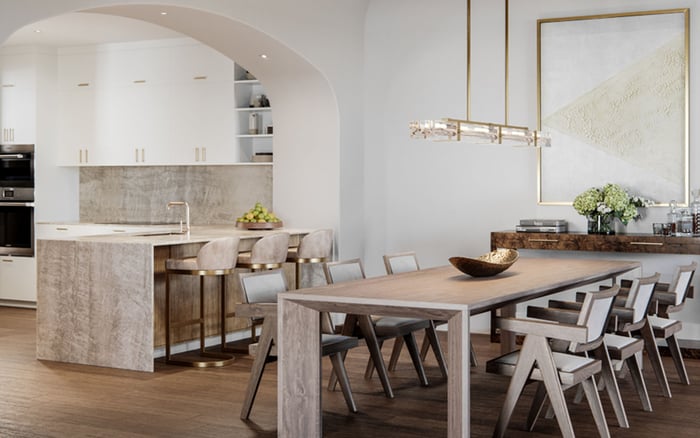
A discreet, buyer-oriented guide to Architectural Review Board expectations in historic districts, tailored to owners and future residents considering The Village at Coral Gables and surrounding neighborhoods.
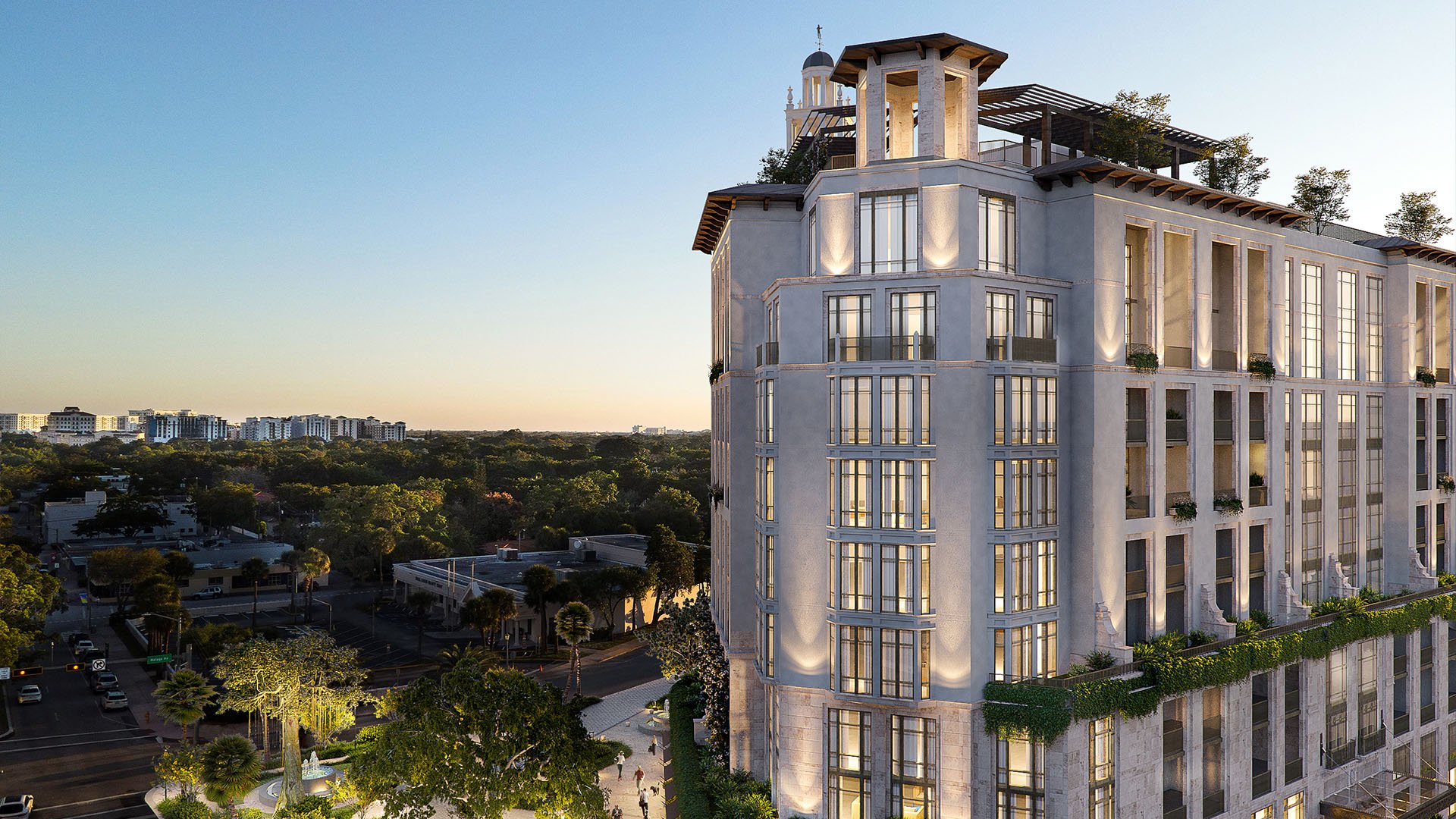
In South Florida, historic-district living offers a rare combination: neighborhood character that cannot be replicated, paired with the practical advantage of a consistent, protected streetscape. That consistency, however, is intentional. The Architectural Review Board-often referred to as an ARB-exists to ensure exterior changes remain compatible with the district’s established character.
For buyers considering The Village at Coral Gables, understanding ARB dynamics is less about bureaucracy and more about risk management. Properties subject to historic review tend to reward owners who plan improvements with discipline. The same discernment that safeguards architectural integrity can also support resale value-provided your renovation strategy is aligned from the first sketch.
In practice, ARB review typically concentrates on what reads from the public realm: the façade, roofline, front door, fenestration pattern, the home’s relationship to the street, and how additions present from key angles. Interiors are usually far less constrained. For a luxury buyer, that distinction is decisive. It is often possible to create a thoroughly contemporary lifestyle experience inside a home that remains historically sympathetic from the curb.
Most frustration with an ARB begins with misaligned expectations. Owners may assume review is a broad verdict on design quality. In reality, the central standard is compatibility: does the proposal maintain the established rhythm of the street and preserve defining architectural features?
In a historic context, several elements routinely become pivotal:
Massing and proportions. Even when an addition is modest, perceived bulk from the street can be the deciding factor. Step-backs, lower connectors, and tightly controlled roof heights often do more for approvability than decorative flourishes.
Roof form and silhouette. The roof is among the clearest historic signals. Shifting pitch, profile, parapets, or eaves can quickly tip a project into “not compatible,” even if the rest of the design is refined.
Windows, doors, and openings. Historic districts frequently prioritize the original cadence and sizing of openings. Enlarging windows or changing alignment can read as a fundamental alteration of character.
Materials and surface treatment. A proposal may be rejected not because it is expensive, but because it reads as visually inconsistent. A premium material can still feel wrong if its texture, reflectivity, or jointing changes the building’s expression.
A useful approach is to treat the street façade as the heritage object, and the rear and interior as the canvas for modern living. When your design team understands that hierarchy, you gain flexibility where it matters most.
In an ARB setting, time becomes a cost center. Delays can cascade into contractor scheduling, long-lead material orders, and even financing timelines. The smoothest approvals tend to come from submittals that are both complete and curated.
A strong package typically does three things:
Shows the existing conditions clearly. Photographs, measured drawings, and a crisp description of what is original versus altered allow the board to evaluate scope without guessing.
Explains the intent in plain language. “Compatible” is not self-evident. A brief narrative linking the proposal to the home’s character-and the broader streetscape-can keep a hearing from turning into a design critique.
Coordinates architecture, landscape, and lighting. Historic review is where strong architecture can be undermined by unconsidered site moves. A driveway adjustment, gate, hedge line, or lighting plan can reshape the street experience. The best luxury outcomes feel inevitable because every exterior element is composed.
Even if you are not building new, approach the process with the same rigor you would apply to a high-rise fit-and-finish schedule in Brickell. The discipline is similar, even if the vocabulary differs.
Historic districts are not anti-innovation; they are pro-continuity. The most successful contemporary interventions often share a few traits:
Respectful hierarchy. If there is an original primary volume, additions should read as secondary-set back, subtly lower, or both.
Quiet modernity. Clean detailing can be approved when fundamental proportions and rhythms remain legible. A simplified interpretation often performs better than a literal, theatrical replica.
Authentic depth. Historic architecture relies on shadow lines: recesses, reveals, and articulated openings. Flat façades-even in premium materials-can read as visually thin.
Landscape as architecture. In Coral Gables, the garden edge, tree canopy, and entry approach can be as meaningful as the building itself. A sensitive landscape plan can soften necessary changes and support approval.
This is where it can help to look beyond Coral Gables for conceptual parallels. Discreet luxury projects with disciplined massing provide a clear mental model for restraint. For instance, the composed, design-forward sensibility found in 2200 Brickell underscores that elegance often comes from proportion and restraint, not excess. The context differs, but the principle transfers.
Luxury clients tend to be decisive-and decisiveness is an asset. The ARB process, however, penalizes premature certainty when an early concept is not aligned with compatibility standards.
A few pitfalls recur:
Over-visibility of new work. A second-story addition that is plainly readable from the street can become a flashpoint, even if the design is otherwise refined.
Token historic gestures. Adding a few “Mediterranean” cues to an otherwise incompatible form can read as cosmetic and unconvincing.
Material substitutions late in the game. When approvals are granted based on a specific material language, later changes can reopen review. In historic settings, materials are not merely a budget line item; they are part of the public promise.
Uncoordinated site elements. A new driveway, wall, gate, or lighting scheme can shift perceived character more than the building work itself.
The objective is not to sacrifice modern comfort, but to keep modernity from becoming visually loud where the district values continuity.
For buyers and owners, the most sophisticated approach is to treat ARB review as an early design phase-not a final stamp. This is especially true when your renovation includes highly visible exterior changes.
Practical planning considerations:
Front-load exterior decisions. Lock in roof form, window strategy, and façade materials earlier than you would in a non-historic project.
Hold a contingency for revisions. Even with a well-prepared team, comments may require iterations. Contingency is not pessimism; it is professionalism.
Choose partners with historic fluency. The strongest designers do not simply produce attractive drawings; they translate your goals into a proposal a review board can approve without compromising long-term value.
If you own multiple residences across South Florida, calibrate expectations accordingly. A tower residence may accommodate dramatic exterior glazing and bolder expression, as seen in oceanfront statements like 57 Ocean Miami Beach. A historic district demands a different kind of luxury: quieter, more contextual, and often more enduring.
At the top end of the market, constraints can function as a filter. Not every buyer wants to operate within an architectural covenant-and that is precisely why neighborhoods that do often retain a strong, legible identity.
In that sense, ARB review is not simply regulatory. It sustains a shared aesthetic baseline, which can make a neighborhood feel curated in the best way. For residents, the experience is less about uniformity and more about coherence. You can feel when a street has been protected.
This is also why buyers drawn to established character often cross-shop areas with different governance models. A Bay Harbor Islands residence, for example, may deliver a boutique, design-forward atmosphere within a very different built context, as in Alana Bay Harbor Islands. The lifestyle may be similarly refined, but exterior rules and neighborhood language can be markedly different.
Whether you are purchasing with renovation in mind or already own in the district, a discreet checklist can reduce surprises:
Confirm whether your scope touches the primary street-facing elevations or roofline.
Identify any character-defining features you should preserve or restore.
Align early on whether your goal is restoration, sympathetic update, or a clearly contemporary intervention.
Coordinate architecture with landscape, lighting, paving, and gates so the public realm feels intentional.
Ask your team to prepare visuals that show before-and-after views from the street.
Make key selections early: windows, doors, roofing, exterior finishes.
This level of diligence is not only about approval. It tends to produce better design because it forces clarity: what matters, what is negotiable, and what is simply personal preference.
Do historic districts prohibit modern interiors? Typically no; most review focuses on exterior visibility and streetscape compatibility.
Is ARB approval mainly about style, or about preserving features? It is usually about compatibility and protecting character-defining elements.
Are rear additions easier to approve than front-facing changes? Often yes, especially when the addition is minimally visible from the street.
Will changing windows and doors trigger closer scrutiny? Yes; openings and their proportions are among the most visually sensitive elements.
Can premium contemporary materials still be rejected? Yes; cost does not equal compatibility in a historic context.
Is landscape part of the architectural review? Frequently yes, since walls, drives, lighting, and planting shape the streetscape.
How can I reduce the risk of redesign during review? Submit a coordinated, complete package with clear street-view comparisons.
Does “historic” mean I must replicate old details exactly? Not necessarily; simplified, respectful detailing can perform well if proportions fit.
Should I budget extra time for the review process? Yes; even well-designed projects may require iterations and scheduling lead time.
What is the smartest first step if I am buying to renovate? Evaluate what is street-visible and align your design team around compatibility.
For a tailored shortlist and next-step guidance, connect with MILLION Luxury.
If branded residences are on your mind — as a home or as an allocation — we would be glad to share what we are seeing, privately.
Begin a quiet conversation