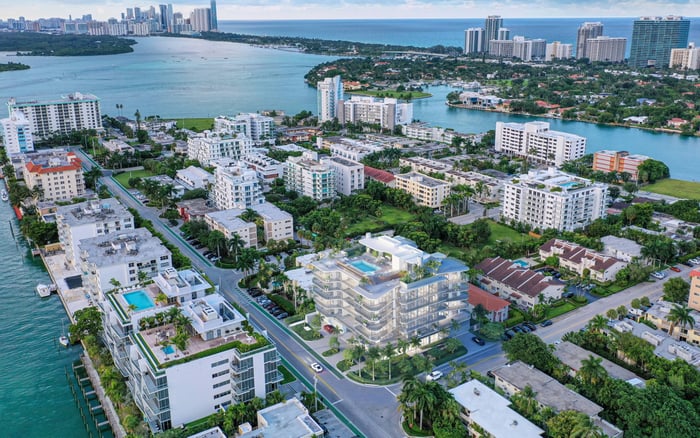
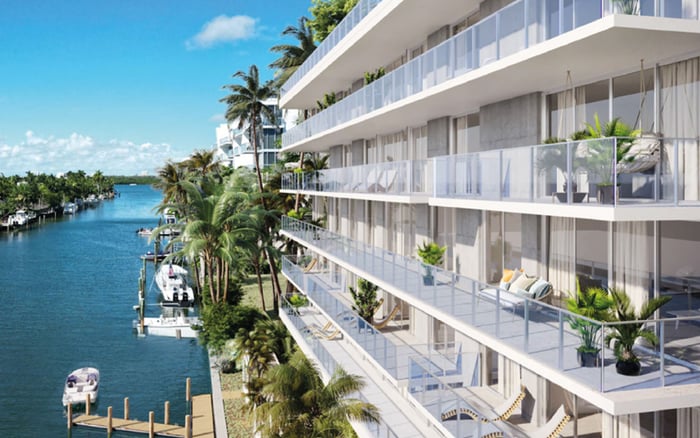
Outdoor wellness space has become a quiet differentiator in Bay Harbor Islands, where buyers increasingly weigh not just square footage inside, but the quality of open air rooms designed for restoration. This editorial looks at how to assess the scale and usability of outdoor yoga lawns and meditation gardens in the context of Alana Bay Harbor Islands, with a buyer’s lens on proportion, privacy, microclimate, and long-term value.
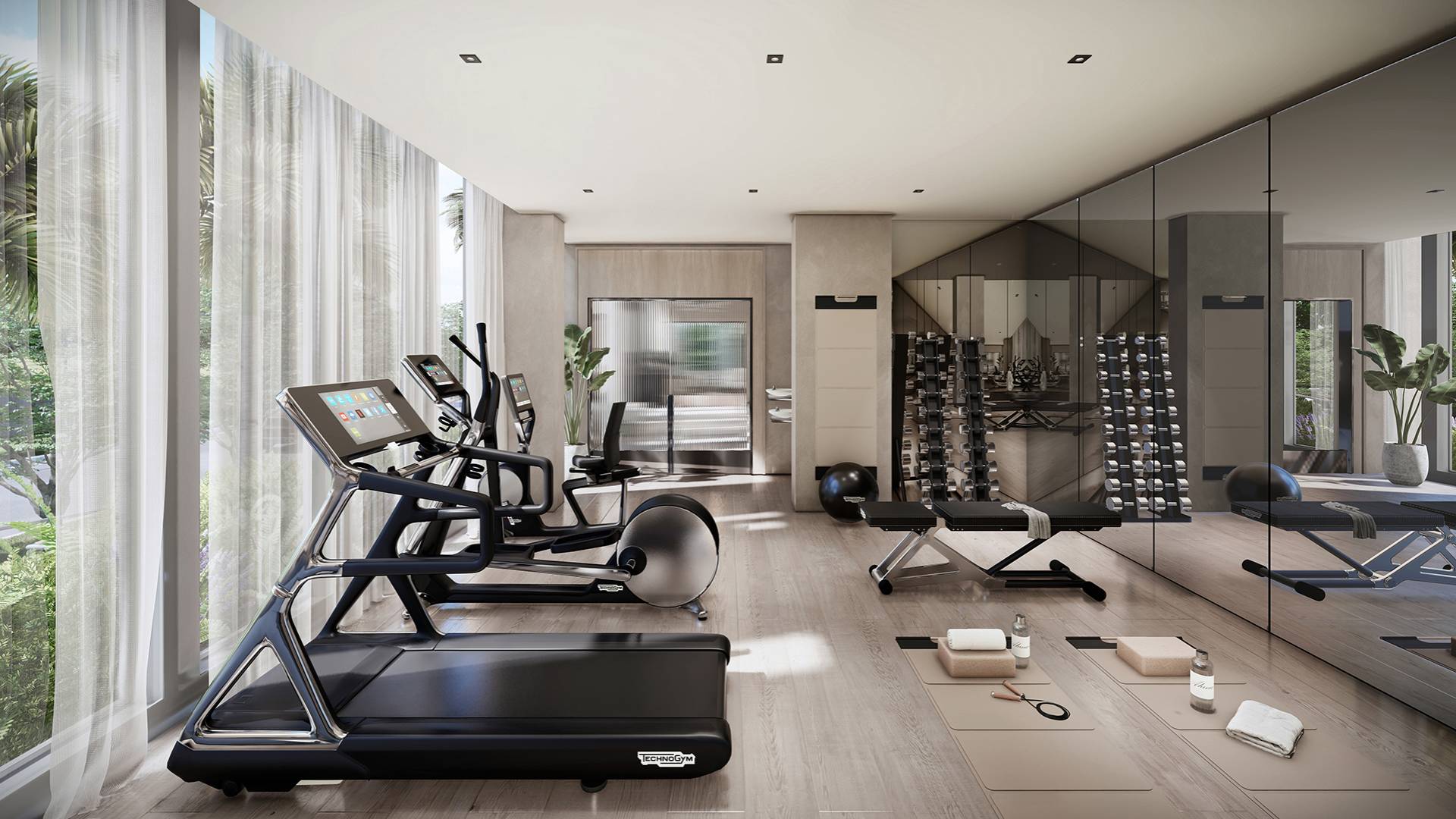
In luxury real estate, wellness amenities are often presented with the same visual shorthand: a perfectly trimmed lawn, a serene planting palette, and a sunrise session implied by a single yoga mat. For a buyer, the question is less about whether the space photographs as tranquil and more about whether it performs as tranquil on an ordinary morning.
When we talk about assessing the scale of outdoor yoga lawns and meditation gardens at Alana Bay Harbor Islands, “scale” isn’t a single measurement. It’s a blend of proportion, capacity, adjacency, and the subtle signals that determine whether the space reads as a private retreat-or an overbooked common area.
The most reliable approach is to evaluate the outdoor wellness environment the way you would evaluate a residence: circulation, exposure, privacy, and long-term upkeep. A lawn can be generous and still feel unusable if it’s windy, loud, or visually exposed. A garden can be compact and still feel expansive if the design builds layers and quiet edges.
In a residential setting, the strongest wellness lawns are scaled to how people actually move and practice. A yoga group needs clear rectangular geometry, predictable footing, and enough buffer so one person’s practice doesn’t become another person’s soundtrack.
To assess proportion, look for:
The “room” effect. The best lawns read as outdoor rooms, defined by an edge condition-low walls, planting, or architectural framing. Without a perimeter, the space can feel exposed, and exposed space rarely earns repeat use.
Functional depth. A lawn that appears wide but is shallow may photograph well from one angle, then feel constrained once mats, buffers, and circulation are in play.
Multiple zones. The most refined layouts separate active practice from passive restoration. When yoga and meditation share the same central pad, serenity becomes dependent on scheduling rather than design.
In Bay Harbor Islands, where the lifestyle is discreet and walkable, buyers tend to favor amenities that feel intentional rather than performative. A well-composed meditation garden can become a daily ritual space, while an oversized but unbuffered lawn often becomes a once-a-month feature.
Scale is experienced through comfort-and comfort is driven by privacy and acoustics.
For yoga lawns, the clearest privacy red flags are direct sightlines from circulation routes, adjacent terraces, or pool decks. If residents feel like they have to “perform” their practice, many simply won’t use the space. Look for visual buffering: layered planting, discreet screens, and pathway placement that avoids cutting through the practice area.
For meditation gardens, sound often matters even more than sight. Evaluate:
Proximity to mechanical areas. Condensing units, loading zones, and service corridors can undercut the promise of calm.
Hard surfaces that bounce sound. Stone and glass can be beautiful, but without planting mass, sound tends to ricochet.
Wind noise. In coastal South Florida, wind can turn certain plant species and architectural elements into unintended noisemakers.
If possible, visit at different times. A garden that feels quiet at midday can shift dramatically during morning rush or peak pool hours.
A yoga lawn in South Florida works when it’s truly usable across seasons. Full sun may read as “healthy” in marketing imagery, but in practice, unshaded lawns can feel harsh-and go underused-for much of the day.
A thoughtful microclimate strategy often includes:
Morning sun with afternoon protection. Dappled shade from trees, pergolas, or well-placed architecture can extend usable hours.
Breeze management. A gentle bay breeze is a luxury; a constant crosswind that flips towels and mats is not.
Surface temperature control. Dark hardscape near meditation seating can radiate heat and shorten linger time.
Buyers should ask how the space is meant to be used: sunrise-only, daylong, or flexible. In a premium building, the best answer is design-driven rather than schedule-driven.
Meditation gardens aren’t simply landscaped corners. The most compelling ones are choreographed.
Look for:
A deliberate arrival. A subtle threshold, turn, or narrowing path that signals you’re leaving the social realm.
Pacing elements. Stepping stones, gentle level changes, or layered planting that naturally slows your walk.
Seating that faces away from activity. Benches oriented toward water, greenery, or a quiet focal element help sustain attention.
Night lighting discipline. Lighting should be low, warm, and shielded. Overlit gardens feel like lobbies.
In a market where wellness is increasingly central, projects such as The Well Bay Harbor Islands have helped set expectations for what “wellness-forward” can mean as a daily experience-not just an amenity label. Even across different design philosophies, the takeaway is consistent: calm must be designed, not declared.
Even without exact dimensions, you can still evaluate whether a yoga lawn or meditation garden is likely to feel crowded.
Consider:
How many homes share the space. A boutique building can make a modest lawn feel private; a larger community can turn the same lawn into a reservation system.
Whether the amenity is “destination” or “pass-through.” If the garden sits on a route between elevators and the pool, it will naturally feel more active.
Programming boundaries. Group classes can be appealing, but they can also monopolize a space. Ask whether classes are capped, scheduled, or resident-led.
This is where buyers should think like asset managers. An amenity that is frequently over-occupied tends to see faster wear, more noise complaints, and eventually more rules. The most valuable wellness spaces are the ones that remain easy to use-without friction.
Outdoor wellness is only as luxurious as its maintenance plan. A lawn’s edge detailing, irrigation strategy, and drainage performance will matter far more over time than its marketing photos.
Practical questions to ask:
Is the lawn engineered for drainage after heavy rain, or does it puddle?
Is the planting palette resilient, or does it require constant replacement?
Are pathways slip-resistant in humid conditions?
How are pests managed without turning the space into a chemical zone?
A meditation garden should age gracefully. Natural materials will patina; that can be beautiful when intentional. But weak detailing can lead to staining, uneven settling, or slippery surfaces that discourage use.
When comparing Bay Harbor Islands opportunities, it can be useful to notice how other boutique buildings frame their outdoor experience. La Maré Bay Harbor Islands, for example, speaks to the area’s preference for quieter, curated living, where amenities are expected to feel composed rather than crowded.
A well-run tour can make any garden feel serene. Your job is to pressure-test it.
During a visit, do three things:
Stand still and listen for one full minute. You’ll quickly pick up mechanical hum, traffic patterns, and the true soundscape.
Trace the sightlines. Identify who can see into the lawn or garden-and from where. If you can see them, they can see you.
Walk the circulation. Note whether the route to the space is discreet or exposed. A wellness garden that requires crossing a social deck often becomes aspirational rather than habitual.
If you’re considering multiple addresses in the same submarket, create a comparative baseline. Visit another Bay Harbor Islands project such as Origin Bay Harbor Islands to calibrate how different teams interpret “outdoor wellness” through layout, planting, and privacy.
For a premium buyer, outdoor yoga lawns and meditation gardens can influence long-term value in three ways.
First, they support a daily lifestyle that feels complete without leaving the building. Second, they signal a design culture that often correlates with stronger overall execution, from lobbies to residences. Third, they create emotional stickiness: the kind of personal routine that makes an owner less inclined to trade up unless the next property improves the same ritual.
In Bay Harbor Islands, where the appeal is refined rather than flashy, wellness spaces that feel quietly protected can become part of a building’s identity. The strongest amenities are the ones you’ll use at ordinary times-not only when guests visit.
At Alana, the most useful way to think about scale is experiential. A yoga lawn should accommodate practice without feeling like a stage. A meditation garden should support solitude without feeling isolated.
The ideal balance is simple: you can arrive without crossing the loudest social zones, settle into a space with gentle buffering, and stay there without constantly adjusting to sun, noise, or foot traffic. When that happens, scale becomes a sensation-ease, not acreage.
What does “scale” mean for a yoga lawn in a condo building? It means the lawn feels proportionate to resident use, with buffers and circulation that prevent crowding.
Is a larger lawn always better for resale? Not necessarily; a smaller space with privacy, shade, and good acoustics can be more valuable in daily use.
What makes a meditation garden feel genuinely quiet? Layered planting, controlled sightlines, and distance from mechanical noise often matter more than size.
Should I ask whether classes are held outdoors? Yes; group programming can add value, but it can also reduce private access if scheduling dominates.
How can I evaluate shade without visiting at multiple times? Look for built-in shade structures and mature planting that indicate protection is part of the design.
Do lawns require special maintenance in coastal South Florida? Yes; irrigation, drainage, and salt-tolerant landscaping all influence how well the space holds up.
What red flags suggest a wellness space is more marketing than function? Direct exposure to busy decks, little shade, and pass-through foot traffic usually reduce real usability.
How important are pathways in a meditation garden? Very; a slow, intentional approach helps the garden feel separate from the building’s social rhythm.
Can a meditation garden work without water features? Yes; calm can be created through planting density, seating orientation, and subtle lighting discipline.
What should I compare between Alana and other Bay Harbor Islands projects? Compare privacy, acoustics, and how naturally the wellness areas fit into resident circulation.
For a discreet conversation and a curated building-by-building shortlist, connect with MILLION Luxury.
If branded residences are on your mind — as a home or as an allocation — we would be glad to share what we are seeing, privately.
Begin a quiet conversation