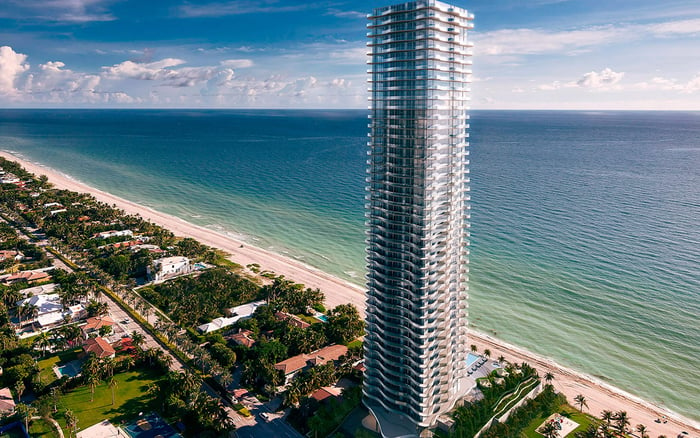
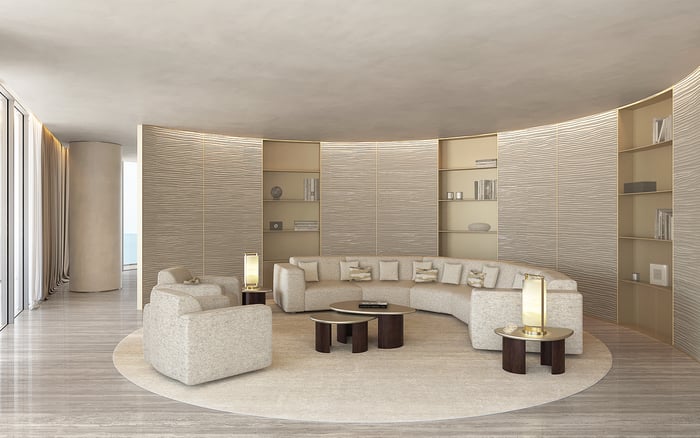
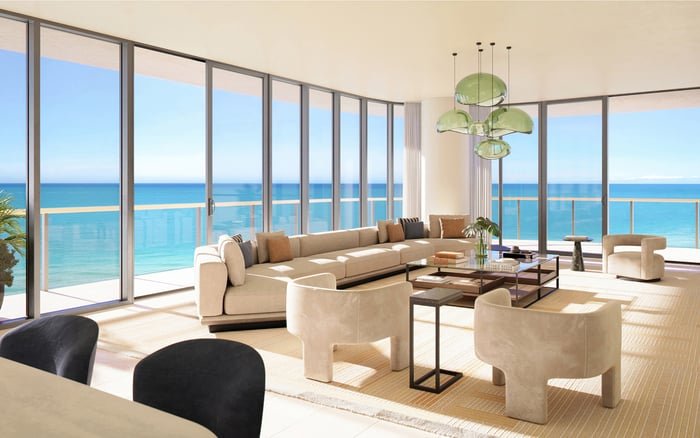
A practical comparison of Muse Residences Sunny Isles Beach and Waldorf Astoria Residences Pompano Beach through the lens of service, governance, privacy, staffing, and household autonomy.
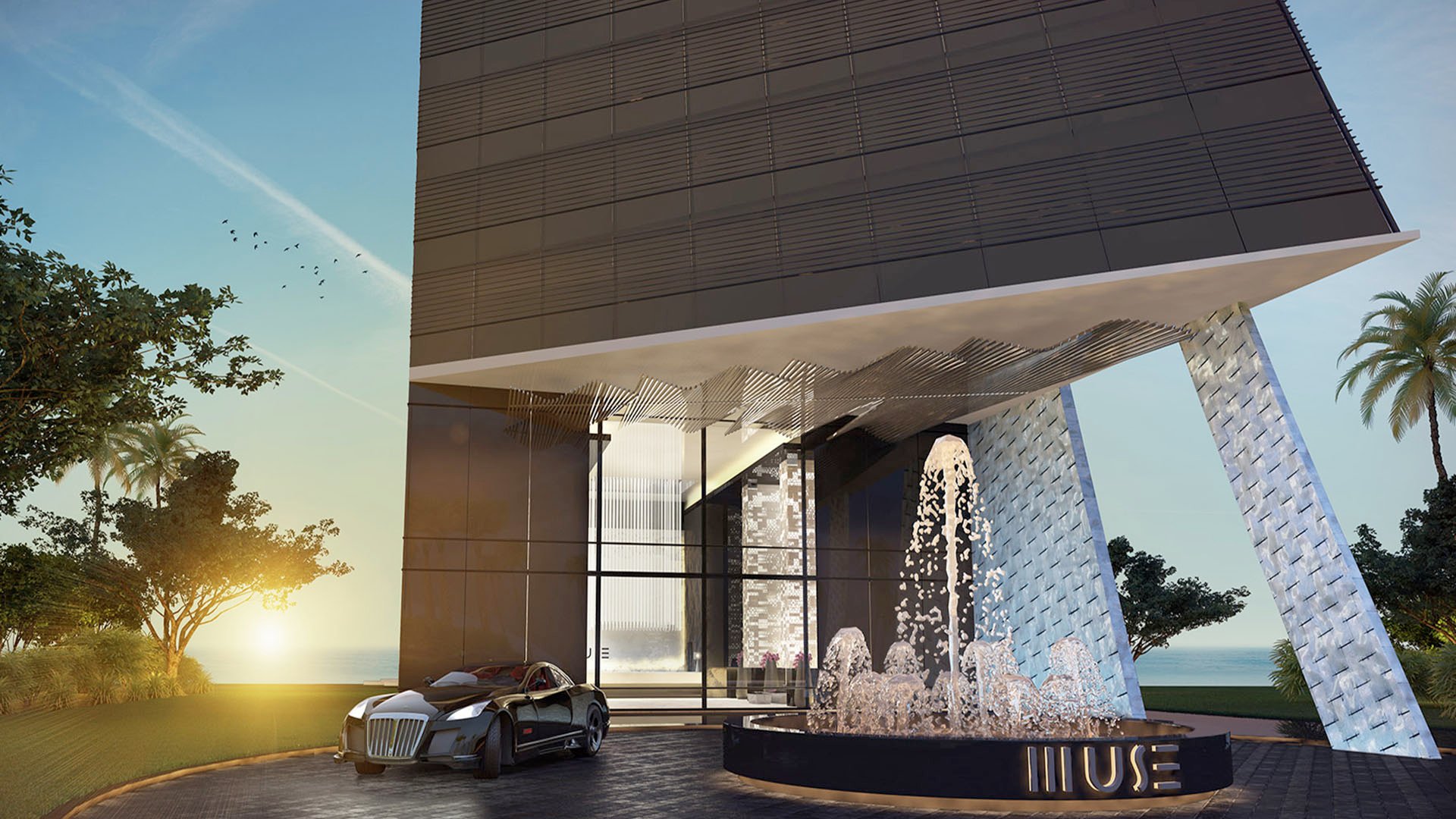
On paper, Muse Residences Sunny Isles Beach and Waldorf Astoria Residences Pompano Beach sit within the same South Florida luxury conversation: ocean proximity, elevated residential expectations, and a buyer base fluent in privacy, design, and service. In practice, they pose two very different questions.
Muse is the boutique, non-hotel-branded side of the comparison, positioned in Sunny Isles Beach as an ultra-luxury condominium environment with a more intimate ownership feel. Waldorf Astoria Residences Pompano Beach is the branded, hotel-service-driven alternative, framed around the idea of bringing a global hospitality identity into private living.
That distinction matters because the affluent buyer is not merely purchasing finishes, a lobby, or a name. The buyer is selecting an operating culture. One model leans toward household autonomy, owner influence, privacy, and the ability to manage life with fewer branded protocols. The other promises a more formalized service platform, a recognizable hospitality standard, and a residential experience shaped by brand discipline.
In a buyer's shorthand, this is a Sunny Isles versus Pompano Beach decision, but geography is only the surface. The deeper distinction is how each residence may behave on an ordinary Tuesday morning, when vendors arrive, guests are cleared, family staff rotate, deliveries come in, and the owner expects the building to support the household without becoming the household.
Muse Residences Sunny Isles Beach should be understood less as an amenity spectacle and more as an ownership environment. Its appeal rests in the boutique condominium idea: fewer layers, a more private rhythm, and a structure closer to a traditional elite Florida condominium than to a large hospitality-branded platform.
For some buyers, that is the luxury. A residence is not only a place to receive service; it is a domain to control. Owners who travel with personal staff, rely on long-standing house managers, or prefer to set their own standards for privacy may find the Muse proposition compelling because it foregrounds autonomy rather than theatrical service delivery.
This does not mean a lesser lifestyle. It means a different form of luxury, one in which customization and owner-directed living can matter as much as formal programming. A boutique condominium environment can allow the association and owners to have meaningful influence over rules, staffing choices, service expectations, and the practical tone of daily life.
The question for a Muse buyer is therefore not whether the property carries a famous hotel flag. It is whether the building's scale, governance, and residential culture allow the household to function with discretion. For ultra-high-net-worth owners, that can be more valuable than a scripted welcome ritual.
Waldorf Astoria Residences Pompano Beach represents the other side of the South Florida luxury equation. Its central proposition is not simply newness or architecture; it is the promise of a branded residential experience shaped by hospitality culture.
For many buyers, that has real value. A global brand can imply consistency, training standards, service formality, and a more codified operating platform. The attraction is not just that someone knows your name, but that the building is conceived to operate according to a recognizable service language.
Because branded residences depend on operating structure as much as design, buyers should think carefully about what is promised, what is documented, and what will ultimately be delivered through the property framework. In a branded residence, the brand can be powerful, but the practical details still live in staffing plans, association budgets, service menus, residence-use rules, and governance documents.
The Waldorf buyer is often not seeking improvisation. The ideal user may want a residence where service standards are more formalized, where the experience is less dependent on owner consensus, and where the brand provides an organizing philosophy for the property. That can be especially attractive for second-home owners, international buyers, and households that prefer a building-managed service ecosystem over a personally assembled one.
In ultra-premium condominiums, staffing is where the marketing promise becomes daily reality. It affects wait times, privacy, vendor control, guest handling, maintenance response, security posture, and the emotional temperature of the building.
At Muse, the staffing conversation should focus on owner influence and flexibility. How does the building manage outside domestic staff? How easily can a private chef, driver, personal assistant, housekeeper, or estate manager interact with the residence? How much control does the owner retain over the people who enter the home and support the family routine?
At Waldorf, the staffing conversation should focus on consistency and scope. What services are expected to be building-provided? Which are included, which are optional, and which require separate charges? How are standards maintained over time, and how does the branded platform respond when demand rises during peak seasonal periods?
Neither model is inherently superior. A buyer who wants the building to anticipate, organize, and standardize may prefer Waldorf. A buyer who wants the building to protect privacy while staying out of the way may prefer Muse. The best choice depends on the household's operating style.
The practical buyer should press beyond the sales presentation and ask how the residence will be governed. In a traditional elite condominium model, the association and ownership body can exert meaningful influence over rules, staffing, services, and long-term priorities. That can create flexibility, but it can also require engaged ownership.
In a branded residence model, the operating platform may be more structured. That structure can protect consistency, but it may also limit the degree to which individual owners can reshape the service culture. The tradeoff is clear: brand-backed service discipline at Waldorf versus potentially greater owner-directed flexibility at Muse.
Fees deserve the same disciplined review. Buyers should not focus only on the amount. They should ask what the fees support, how staffing is funded, how service levels are protected, and whether the budget is resilient enough to maintain the promised lifestyle through market cycles, labor pressure, insurance changes, and evolving owner expectations.
This is where luxury becomes operational. A residence can be beautifully designed and still frustrate an owner if its rules are rigid, its staffing is thin, or its access protocols do not match the way the household actually lives.
Privacy is not a single feature. It is a system. It includes arrival sequences, elevator access, visitor screening, vendor routing, staff discretion, guest policies, and how often an owner is required to interact with the building's public-facing service layer.
Muse's appeal is strongest for the buyer who prizes the ability to shape a private world inside the residence. Customization, domestic staffing, and a sense of residential self-determination sit at the center of that value proposition. If the owner wants to bring an established household infrastructure into the building, Muse may feel more naturally aligned.
Waldorf's appeal is strongest for the buyer who wants privacy supported by brand-managed systems. Rather than assembling every layer of service independently, the owner may prefer a building whose identity is tied to hospitality execution. That can provide ease, but the buyer should confirm how personalization works within the brand framework.
The sophisticated question is not, "Which is more luxurious?" It is, "Which one will let my household operate better?"
Muse Residences Sunny Isles Beach is likely to resonate with buyers who value discretion, boutique scale, and a more owner-influenced condominium environment. It is the more natural fit for households that already know how they like to live and want a building that can support that pattern without over-programming it.
Waldorf Astoria Residences Pompano Beach is likely to resonate with buyers who value brand assurance, formalized service expectations, and the forward-looking appeal of a branded residence. It is the more natural fit for owners who want an elevated hospitality framework embedded into daily residential life.
Both can be compelling. The right answer depends on whether the buyer believes luxury should be self-directed or brand-orchestrated.
Is Muse Residences Sunny Isles Beach hotel-branded? Muse is positioned as the boutique, non-hotel-branded side of this comparison.
Is Waldorf Astoria Residences Pompano Beach a branded residence? Yes. Its core distinction is the translation of a global hospitality brand into a private residential setting.
Which option offers more household autonomy? Muse is framed around greater owner-directed flexibility, privacy, customization, and control over domestic staffing.
Which option offers more structured service? Waldorf is the more service-formalized model, with a branded operating platform intended to support consistency.
Why does staffing matter so much in this comparison? Staffing determines how privacy, service response, guest access, vendors, and household routines actually function day to day.
Should buyers compare only amenities and finishes? No. The deeper question is how the building will be governed, staffed, serviced, and adapted to the household's needs.
What should a buyer review before choosing Waldorf? Review service standards, association fees, residence-use rules, staffing structure, personalization rights, and long-term operations.
What should a buyer review before choosing Muse? Review association governance, outside staff access, privacy protocols, customization flexibility, and the owner's practical control.
Which residence is better for a second-home owner? Waldorf may suit owners who want a structured service ecosystem, while Muse may suit those who prefer private household control.
What is the main practical difference between these two choices? Muse leans toward self-directed residential privacy, while Waldorf leans toward brand-orchestrated service discipline.
For a discreet conversation and a curated building-by-building shortlist, connect with MILLION.
If branded residences are on your mind — as a home or as an allocation — we would be glad to share what we are seeing, privately.
Begin a quiet conversation