A disciplined comparison of two hospitality-led residential propositions through the contractual issues that endure after closing. Buyers should test brand continuity, common-charge assumptions, service inclusions, and the association’s practical remedies before treating either name as a permanent promise.

South Florida’s most compelling branded residences invite buyers to acquire both a home and an operating experience. Yet the enduring value of that experience is not secured by a name alone. It rests on the documents defining who may use the brand, who manages the property, which services must be delivered, how they are funded, and what owners can do if performance changes.
That distinction frames the comparison between Mr. C Tigertail Coconut Grove and St. Regis® Residences Sunny Isles. Both are residential propositions shaped by the language of hospitality, but neither should be evaluated as though a hotel operation automatically guarantees the residential service model. Tigertail is marketed as a condominium with hospitality-style amenities, not as part of the separately operating Mr. C hotel. The St. Regis development is presented as a two-tower oceanfront residence without a hotel component.
The brand is the invitation, but the governing documents define the ownership experience.
Mr. C Residences comprises Bayshore at 2655 S. Bayshore Drive and Tigertail at 2678 Tigertail Avenue. Completed in 2024, the development was created through a partnership involving Terra and Maggio Cipriani’s Mr. C brand. The developer has a limited right to use the Terra and Mr. C names and logos.
For a buyer, that limitation is not inherently negative. It is a prompt to identify the duration, renewal conditions, transfer rights, default standards, and termination mechanics governing the intellectual-property and management arrangements. Separate association or management contact channels for the Bayshore and Tigertail towers also underscore the importance of tower-specific diligence. A right or obligation applicable to one component should not be assumed to govern the other.
The same discipline should guide a St. Regis review. Marketing emphasizes butler and concierge service, pools, wellness facilities, private dining areas, and direct beach access. The critical questions are who is contractually responsible for each element, whether the standards are measurable, and what happens if the brand license or manager changes. Buyers considering other hospitality-led choices, including Four Seasons Residences Coconut Grove, can apply the same continuity test rather than compare logos in isolation.
Mr. C Tigertail has an average association-fee benchmark of $2.19 per square foot per month. Residence 802 showed a monthly association fee of $6,534, with coverage described as including amenities, grounds and structural maintenance, recreational facilities, sewer, security, trash, and water.
Those figures are diligence leads, not universal pricing. Unit size, allocation methodology, timing, budget changes, and individually billed services can materially affect the amount attributable to a particular residence. Tigertail’s stated final residence count also varies between 125 and 136 homes. The recorded declaration and current association records should resolve that discrepancy because the unit count can matter when assessing shared expenses and governance.
No comparable delivered-building fee benchmark or residence-specific charge is stated for St. Regis Sunny Isles. A buyer should therefore obtain the current proposed budget and assessment schedule before comparing carrying costs. In Sunny Isles Beach, even a review that includes The Ritz-Carlton Residences® Sunny Isles should normalize costs by service scope, not merely by dollars per square foot.
The practical worksheet should be granular. Butler, concierge, valet, housekeeping, dining, beach operations, spa access, private events, utilities, security, and maintenance should each be classified as included, usage-based, optional, or subject to a separate agreement. Staffing assumptions, insurance allocations, reserves, and special assessments belong beside that service matrix.
Luxury service is relational in daily life, but owner recourse is procedural. The governing documents and brand-management agreements should establish which party can declare a default, what cure period applies, whether owners or the board can enforce service standards, and what vote is required to terminate or replace a manager.
Buyers should also examine renewal rights, early-termination charges, dispute procedures, trademark-removal obligations, and the treatment of prepaid or separately contracted services. If the brand departs, the documents may determine how quickly signs, uniforms, digital systems, amenities, and service descriptions must change. If management changes while the brand remains, a different set of approval and performance provisions may apply.
The essential distinction is between association rights and an individual owner’s rights. An owner may be able to raise a complaint without having unilateral authority to compel the replacement of a manager. Conversely, an association may hold remedies that are difficult to exercise because of voting thresholds, financial penalties, or lengthy contract terms. The complete provisions needed to resolve these issues for either project are not stated in marketing materials.
For Mr. C Tigertail, begin with the recorded declaration, current budget, reserve schedule, insurance allocation, recent financial statements, assessment history, association minutes, and all effective brand, licensing, and management agreements available for review. Confirm the final unit count and the expense allocation applicable to the specific residence. Ask whether the displayed monthly charge reflects the current fiscal period and whether optional hospitality services fall outside it.
For St. Regis® Residences Sunny Isles, request the latest proposed operating budget, unit-specific assessment schedule, staffing model, reserve assumptions, insurance treatment, and every agreement governing the brand and residential manager. Match each advertised service to both a budget line and a contractual obligation. Identify any services that may be modified, suspended, outsourced, or billed separately.
A simple comparison table should have four columns: promise, responsible party, funding source, and remedy. Every material amenity or service should occupy a row. The exercise converts an elegant sales narrative into an ownership model that can be tested.
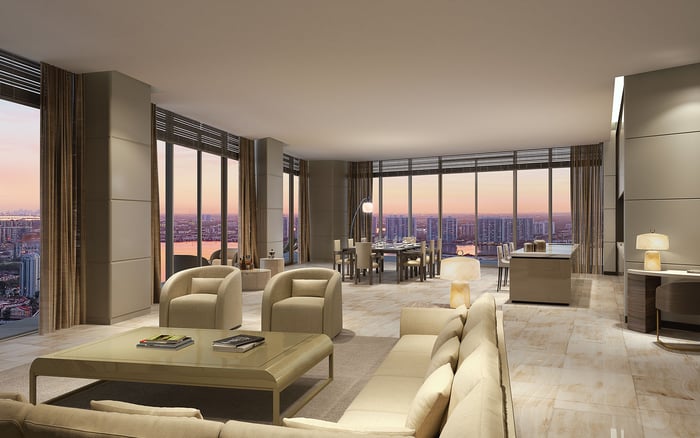
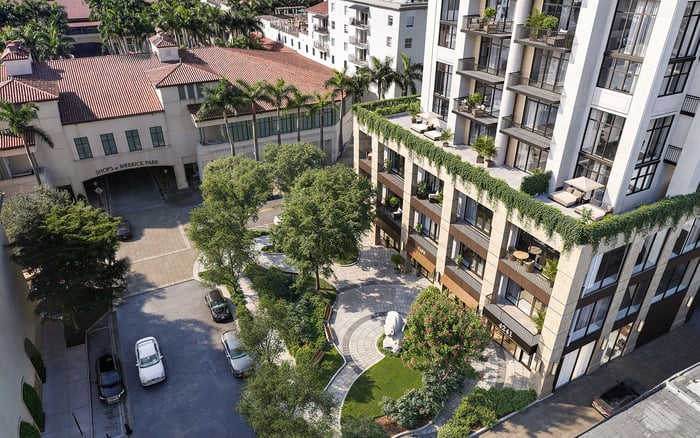
Coconut Grove offers Tigertail buyers a completed 2024 residential setting with an observable association-fee reference and an established amenity program encompassing dining, pools, spa and fitness facilities, children’s spaces, screening rooms, libraries, and resident lounges. Its first stand-alone Mr. C residential identity and yacht-inspired design give the property a distinct character; its operating documents determine how that character is preserved.
The Sunny Isles proposition centers on an oceanfront, resort-style residential experience with direct beach access and prominently marketed personal service. Its current comparison challenge is not a lack of appeal, but the need to replace assumptions with a current proposed budget, a residence-level charge, and a precise account of contractual remedies.
The more sophisticated choice is not automatically the lower fee or the more familiar name. It is the residence whose service obligations, cost structure, governance, and continuity provisions best match the buyer’s tolerance for operational change. For a private consultation on these and other South Florida residences, connect with MILLION.
If branded residences are on your mind — as a home or as an allocation — we would be glad to share what we are seeing, privately.
Begin a quiet conversationNo. It is marketed as a residential condominium with hospitality-style amenities rather than as part of the separately operating hotel.
No. It is presented as a two-tower oceanfront branded residential development without a hotel component.
The stated average is $2.19 per square foot per month, but buyers should verify the current charge for their specific residence.
Residence 802 showed a monthly association fee of $6,534, with several maintenance, utility, security, and amenity items described as covered.
The project information addressed here does not state a comparable delivered-building benchmark or unit-specific monthly charge.
The stated counts vary between 125 and 136 residences. Buyers should confirm the final count in the recorded declaration.
Request the latest budget, unit assessment schedule, reserves, insurance allocation, staffing assumptions, and any assessment history or projections.
Not necessarily. Buyers should verify whether each service is included, optional, usage-based, or separately billed.
The governing and management documents should specify voting thresholds, default rights, cure periods, termination charges, and replacement procedures.
No. Continuity depends on licensing, management, renewal, default, and performance provisions rather than the project name alone.