A practical framework for affluent cross-border buyers evaluating South Florida condominium insurance, replacement-cost exposure, loss assessments, HO-6 protection, and umbrella liability.
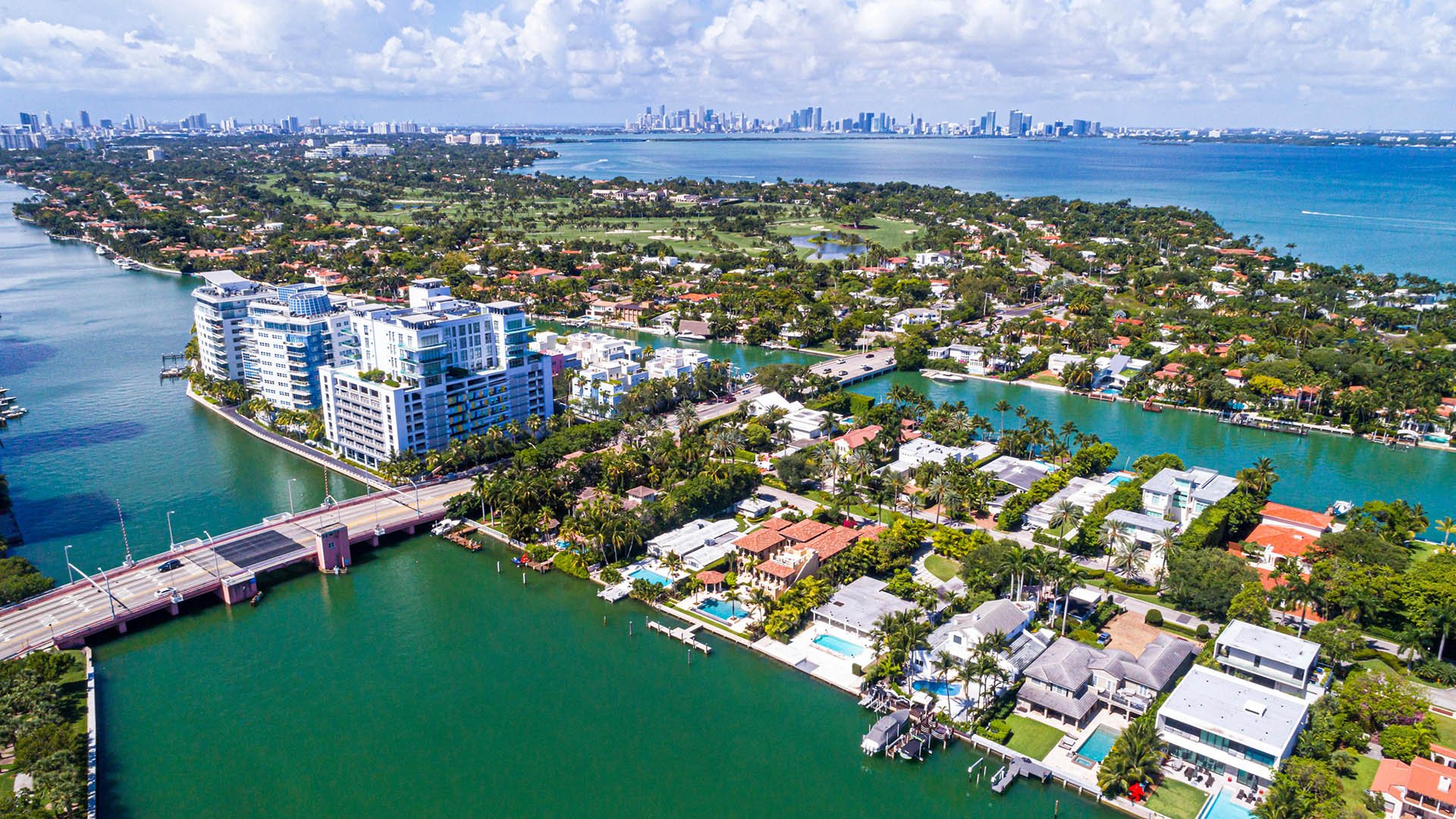
For an owner accustomed to Monaco, South Florida may feel familiar in its waterfront sophistication, international community, and emphasis on exceptional design. Its condominium insurance structure, however, requires a property-specific review. The central task is to determine which losses belong to the condominium association, which remain with the unit owner, and which personal liabilities sit above both.
Before closing, a buyer should request the association’s master policy, current property valuation, coverage limits, deductibles, exclusions, and supporting insurance records. This is relevant whether evaluating Cora Merrick Park in Coral Gables or another South Florida condominium. The objective is not merely to confirm that insurance exists, but to understand how the program may respond and where the owner could retain exposure.
The strongest insurance review begins with a clear map of who insures what.
The governing documents deserve equal attention. They can help identify the boundary between common property and the residence, explain how certain costs may be allocated, and clarify the owner’s responsibilities. The insurance policy and condominium documents should therefore be read together rather than treated as separate closing materials.
Replacement cost is distinct from purchase price, market value, and tax assessment. In practical diligence, it is the basis used to evaluate whether insured property could be reconstructed within the policy framework. Buyers should ask when the building valuation was prepared, what property it includes, and whether the association or its advisers have reviewed it against the building’s present condition.
Deductibles can also create meaningful building-level exposure. A buyer should request both the policy wording and a clear explanation of how a deductible could affect owners after a covered loss. The governing documents may influence how the association allocates an uninsured amount or other reconstruction expense.
Coverage limits and exclusions require the same scrutiny. Specialized systems, upgraded common areas, and work outside the policy’s covered scope may affect the association’s recovery. For a second home, the buyer should also consider whether sufficient liquidity would remain available if an assessment arrived while the residence was under repair or temporarily unusable.
The most useful review does not rely on a single headline limit. It considers the valuation, covered property, exclusions, deductibles, claims conditions, and allocation provisions as one connected financial picture.
A condominium master policy and an owner’s HO-6 policy serve different purposes. The exact boundary depends on the applicable policy language and condominium documents, so buyers should avoid assuming that every interior finish or fixture is covered by the association.
In a highly finished residence, imported stone, custom millwork, designer kitchens, upgraded lighting, built-in cabinetry, furnishings, and personal property can represent substantial value. The owner’s policy should be developed from an inventory of what is actually inside the home rather than a generic estimate.
Buyers considering The Residences at 1428 Brickell should identify responsibility for major finishes and fixtures under the relevant documents, then discuss the corresponding unit-owner coverage with qualified insurance advisers. The review should address interior improvements, personal property, temporary living costs, personal liability, deductibles, exclusions, and any coverage conditions relevant to the intended use of the residence.
Documentation matters as well. Contracts, invoices, photographs, specifications, inventories, and appraisals for valuable items can help establish suitable limits and organize a future claim. Cross-border owners may benefit from keeping accessible digital copies rather than relying solely on records stored inside the residence.
Loss-assessment coverage may help when a condominium association assesses owners following certain covered losses, but it should not be treated as protection against every board charge. Whether coverage applies depends on the unit policy, the cause of loss, the association’s action, and the relevant exclusions and sublimits.
A buyer should examine the headline limit alongside any narrower provision affecting an assessment tied to the master-policy deductible. The practical value of the coverage may depend on detailed endorsement language rather than the broad description shown on a summary page.
Routine maintenance, reserve funding, inspections, and unrelated remediation should be evaluated independently from insured-loss scenarios. Buyers comparing a Miami Beach residence such as The Perigon Miami Beach should review the association’s insurance, reserves, inspection materials, and known building obligations as separate but connected diligence tracks.
Timing also matters. Coverage should be arranged before a loss occurs, and owners should promptly notify their advisers when property damage or an assessment may implicate a policy. Waiting until after an event to examine the policy can limit practical options.
A well-organized record can be valuable when an owner needs to connect building damage, an association decision, and the terms of a particular policy period. Owners should retain master-policy materials, board notices, assessment resolutions, repair records, invoices, photographs, and insurer correspondence.
Keeping documents by policy period is especially useful for a second-home owner who may not attend each meeting in person. A concise chronology of the event, board action, repair process, and communications can help insurance and legal advisers evaluate the claim without reconstructing the record from fragmented sources.
The owner should also confirm who is responsible for reporting a loss, what notice the policies require, and how association communications will reach an overseas address. Contact details for the property manager, insurance broker, local counsel, and household representatives should be current before hurricane season or any extended absence.
Umbrella insurance can provide liability protection above specified underlying policies. To function as intended, it must be coordinated with the liability limits and conditions of the owner’s condominium, automobile, watercraft, and other relevant insurance.
A cross-border household should examine territorial scope, exclusions, covered residences, household members, domestic staff, vehicles, watercraft, and coordination between policies issued in different countries. The appropriate structure depends on the owner’s assets, income, activities, and risk tolerance, so simple formulas should not replace individualized advice.
Public visibility, multiple residences, household employees, young drivers, boating, and frequent entertaining may affect the analysis. For purchasers weighing The Ritz-Carlton Residences® Miami Beach, liability planning should accompany the property review rather than follow it.
Buyers should ask an adviser to identify every required underlying policy and limit, then confirm that those requirements remain satisfied after changes to vehicles, residences, staff, or recreational assets. A coverage gap at the underlying level can undermine an otherwise substantial umbrella program.
A coherent condominium insurance review has three layers: the association’s master program, the owner’s HO-6 protection, and umbrella liability coordinated with the wider household. Each layer should be tested against the residence, governing documents, intended use, and the owner’s broader financial circumstances.
Before signing, request the master policy and valuation, examine deductibles and exclusions, identify responsibility for interiors, review loss-assessment provisions, and confirm umbrella requirements. Evaluate reserves, inspection materials, and known building obligations independently because insurance is not a substitute for complete condominium diligence.
For a buyer moving between Monaco and Coral Gables-or maintaining several homes-the practical goal is continuity. Policies, records, advisers, and reporting procedures should work together even when the owner is outside South Florida.
For discreet guidance on South Florida luxury ownership, connect with MILLION.
If branded residences are on your mind — as a home or as an allocation — we would be glad to share what we are seeing, privately.
Begin a quiet conversationRequest the association’s master policy, property valuation, limits, deductibles, exclusions, and relevant insurance records.
No. Replacement cost concerns reconstruction within the insurance framework, while market value reflects the residence’s value in the property market.
The documents can clarify property responsibilities and how certain costs may be allocated. Reading them together helps reveal potential owner exposure.
An HO-6 policy can address unit-level property, interior improvements, personal property, temporary living costs, and personal liability, subject to its terms.
Use a detailed inventory of finishes, improvements, furnishings, and personal property, supported by photographs, invoices, specifications, or appraisals where appropriate.
No. Application depends on the policy terms, cause of loss, association action, exclusions, and any applicable sublimits.
A narrower sublimit may affect protection for an assessment connected to the association’s master-policy deductible. The endorsement wording is therefore important.
Keep board notices, assessment resolutions, policy materials, repair records, invoices, photographs, and insurer correspondence organized by policy period.
Review territorial scope, covered household members and residences, exclusions, underlying-policy requirements, vehicles, staff, and recreational assets.
The principal layers are the association’s master program, the owner’s HO-6 policy, and umbrella liability coordinated with the household’s other insurance.