A precise buyer’s guide to separating branded-residence marketing from enforceable obligations, comparing disclosed service charges and identifying the documents that define owner recourse at two prominent South Florida properties.
In South Florida’s branded-residence market, a recognizable name can shape design, service expectations and resale positioning. Yet the name above the entrance does not, by itself, constitute a perpetual promise that a particular brand, manager or menu of services will remain unchanged. For a buyer comparing Armani Casa Sunny Isles Beach with Mr. C Tigertail Coconut Grove, the central task is to distinguish among three related concepts: brand affiliation, building management and association-funded operations.
Brand affiliation may govern identity, standards or intellectual property. Management may encompass day-to-day staffing and administration. Association operations determine which shared expenses owners fund. These functions can overlap, but buyers should not assume they are contractually inseparable. Amenity descriptions articulate each property’s intended lifestyle; the declaration, bylaws, amendments and service or management agreements establish enforceable obligations.
The durability of a branded lifestyle depends on documents, budgets and performance, not the name alone.
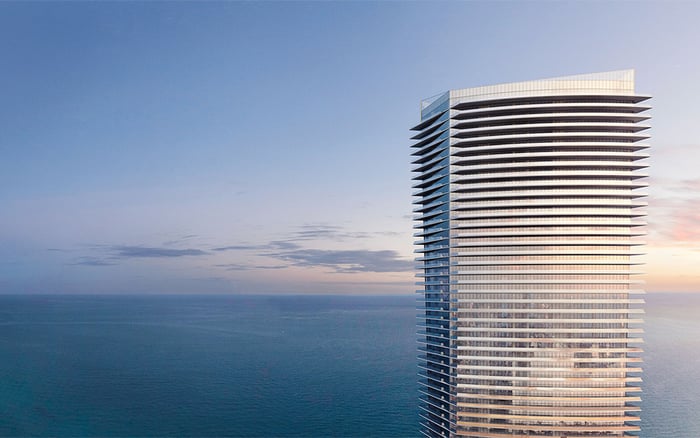
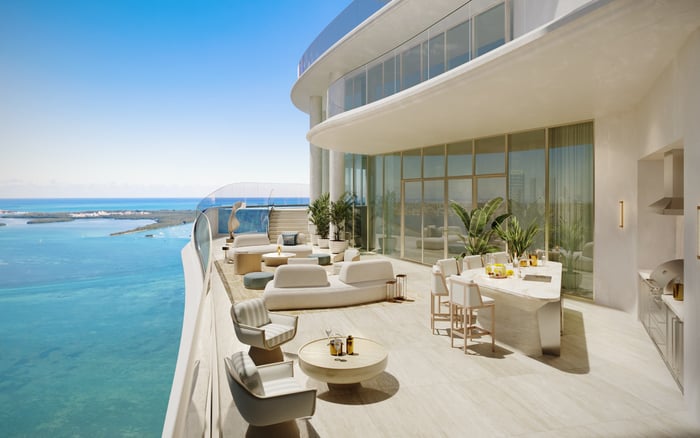
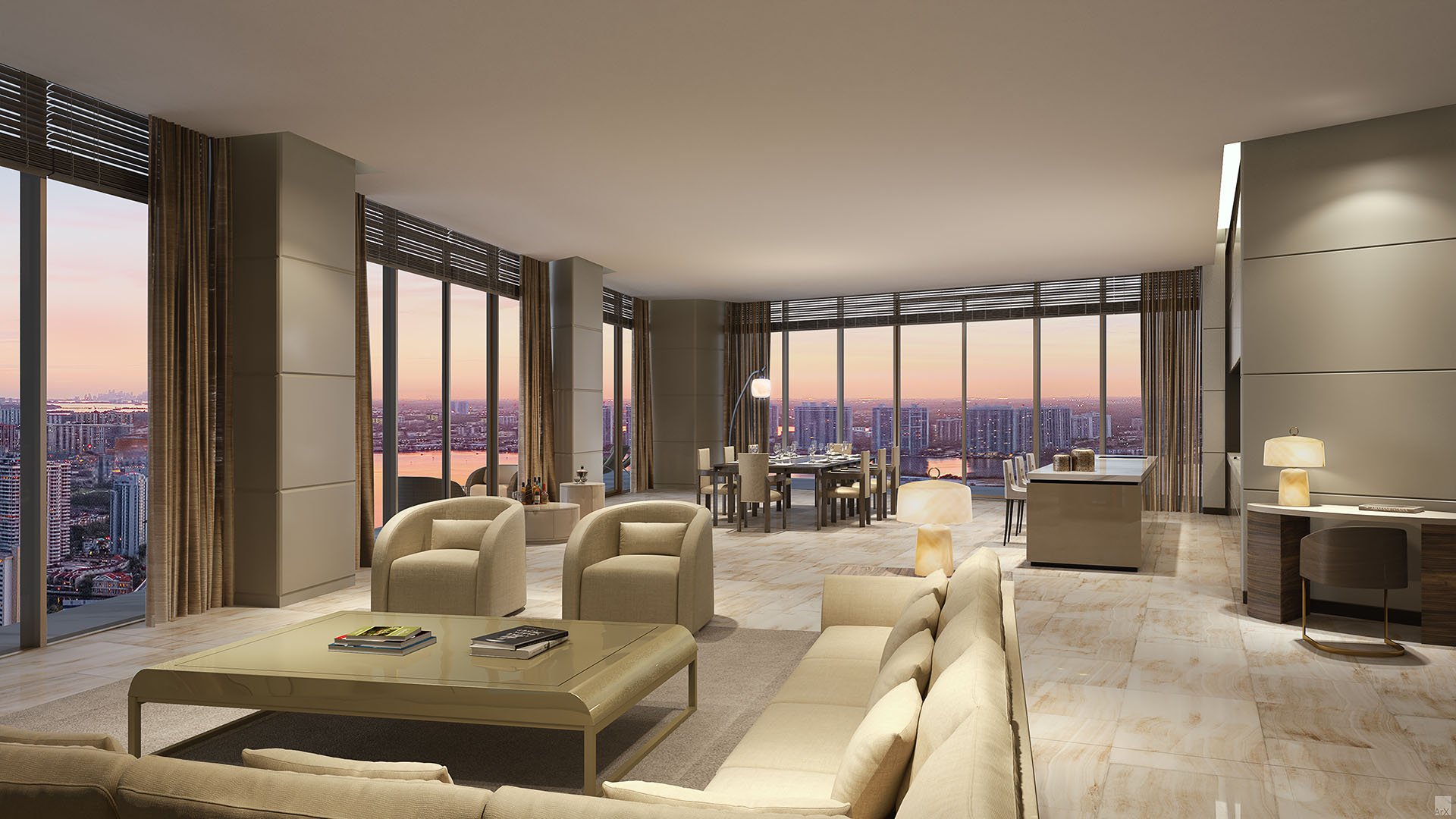
At 18975 Collins Avenue, the 56-story, 308-residence Armani/Casa tower presents an oceanfront resort model. Its program spans more than 35,000 square feet of amenities across two floors, including an oceanfront pool terrace with food and beverage service, a two-story spa, fitness facilities and a movie theater. Additional spaces include an Armani Privé lounge, ocean-view bar, cigar room, wine cellar and game room. Services include 24-hour valet, 24-hour security and multilingual concierge service.
That extensive physical program is relevant to both lifestyle and cost. Pools, spa areas, staffed arrival services, security and specialty rooms require ongoing operation and maintenance. Buyers considering other Sunny Isles Beach options, such as Bentley Residences Sunny Isles, should apply the same document-first analysis rather than compare brand names or amenity counts alone.
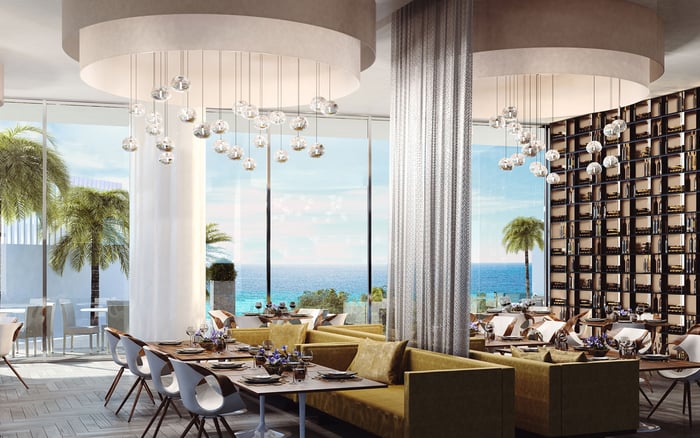
Mr. C’s Tigertail Tower, at 2678 Tigertail Avenue, was completed in 2024 through Terra’s partnership with Maggio Cipriani’s Mr. C brand. Its identity places greater emphasis on hospitality service, including concierge reception, butler service, 24-hour valet and security, property management, optional housekeeping and bike storage. The service model also incorporates a custom resident app and building-wide internet and Wi-Fi infrastructure. The residence offering includes two pools with food and beverage service, an onsite restaurant, spa and gym.
The distinction is one of emphasis, not a verdict on quality. Armani/Casa foregrounds the beach, oceanfront leisure and an expansive amenity environment. Mr. C foregrounds butler, concierge, housekeeping and hospitality management. A buyer comparing Coconut Grove residences, including Four Seasons Residences Coconut Grove, should determine which elements are included, optional, separately charged or dependent on a third-party operator.
Disclosed HOA figures provide useful orientation, but they are no substitute for a current, unit-specific review. For Armani/Casa, a 2026 building reference showed a monthly range of $400 to $5,600, covering amenities, cable television, maintenance, parking, pool access, security and utilities. One residence carried a monthly figure of $4,786. A building metric placed the average association fee near $2.11 per square foot per month.
Mr. C figures show similarly meaningful variation. One residence carried a monthly association charge of $1,289, covering recreation facilities, security, common areas, pool service, trash, hot water, management, parking, water and internet or Wi-Fi. Other residences carried monthly figures of $3,506 and $6,534. These examples demonstrate why a building-wide headline can mislead when applied to a particular home.
Differences may reflect residence size or unit-specific disclosures, but the figures do not fully explain every variance. A prudent comparison begins with the latest association budget, recent financial statements, the estoppel for the selected residence and a clear schedule of mandatory versus optional charges. Buyers should also determine whether restaurant spending, housekeeping, butler requests, food and beverage service or other hospitality features incur separate usage fees.
A branded-residence review should identify the legal parties behind the visible experience. Request the condominium declaration, bylaws, current budget, amendments, recent association minutes and all relevant management, service or brand agreements available for review. Counsel can then examine the term, renewal mechanics, termination provisions and any rights to replace an operator or discontinue particular services.
The most useful questions are precise. Is the brand committed for a defined period? Who may terminate the agreement, and under what conditions? Does a management change automatically end the brand affiliation? Are service standards defined by measurable obligations or left to operational discretion? Can the scope of concierge, valet, housekeeping or food and beverage service change through budgeting decisions?
Recent minutes can provide context that polished marketing cannot. They may reveal discussions about staffing, contracts, amenity operations or budgets. The current budget can show how the promised experience is funded today, while amendments may clarify how the original framework has evolved. None of these documents should be considered in isolation.
The available project materials do not reproduce the governing instruments needed to determine contractual protections for brand continuity or remedies following a branding or management change. It would therefore be inappropriate to infer an automatic refund, fee reduction, repurchase obligation or right to compensation from a brochure, amenity page or listing disclosure.
Recourse depends on the actual agreements, the declaration and bylaws, the nature of any alleged nonperformance and the rights assigned to the association or individual owners. A buyer’s attorney should determine whether an obligation is enforceable by the owner, solely by the association or by another contracting party. The documents should also be reviewed for notice requirements, dispute procedures, limitations and amendment rights.
This is where a buyer’s guide must move beyond finish selections and views. A residence can remain physically compelling even as operations evolve, but a purchaser paying for a branded-service proposition should understand which elements are protected, which are discretionary and which depend on annual budgets.
Before contract, compare the chosen residence’s current assessment with the budget and estoppel-not with a generalized building average. Confirm what the charge includes, what is optional and whether any hospitality services carry transaction-level costs. Read recent minutes for operational changes, and have counsel map the relationships among brand, manager, association and owner.
Finally, test personal priorities. An owner who values oceanfront leisure may assess Armani/Casa differently from one who prioritizes Mr. C’s service-led model. In either case, continuity, carrying cost and recourse deserve the same scrutiny as architecture, exposure and interior design.
For discreet guidance on South Florida’s finest branded residences, connect with MILLION.
If branded residences are on your mind — as a home or as an allocation — we would be glad to share what we are seeing, privately.
Begin a quiet conversationNo. Brand affiliation, building management and association operations may be governed by different agreements, so continuity must be confirmed in the governing documents.
Request the declaration, bylaws, amendments, current budget, recent association minutes, unit estoppel and relevant brand, management or service agreements.
Published services include 24-hour valet, 24-hour security and multilingual concierge, supported by an extensive oceanfront amenity program.
Its published model emphasizes concierge reception, butler service, property management, optional housekeeping, 24-hour valet and security, plus resident technology.
The tower advertises more than 35,000 square feet of amenities across two floors.
They are useful snapshots, but buyers should verify the selected unit through the latest budget, estoppel and unit-specific disclosures.
The disclosed examples show substantial variation among residences, so a generalized building figure should not be applied automatically to a particular unit.
Not necessarily. Buyers should confirm which services are mandatory, included, optional or billed separately when used.
No automatic refund, buyback or compensation right should be assumed. Any remedy depends on the governing documents, applicable agreements and the specific circumstances.
Counsel should review its term, renewal and termination mechanics, service standards, amendment rights, notice provisions, dispute procedures and who may enforce each obligation.