A discreet, practical guide to vacancy rules, insurance, climate control, access, hurricane readiness, and recordkeeping for seasonal Casa Bella owners.
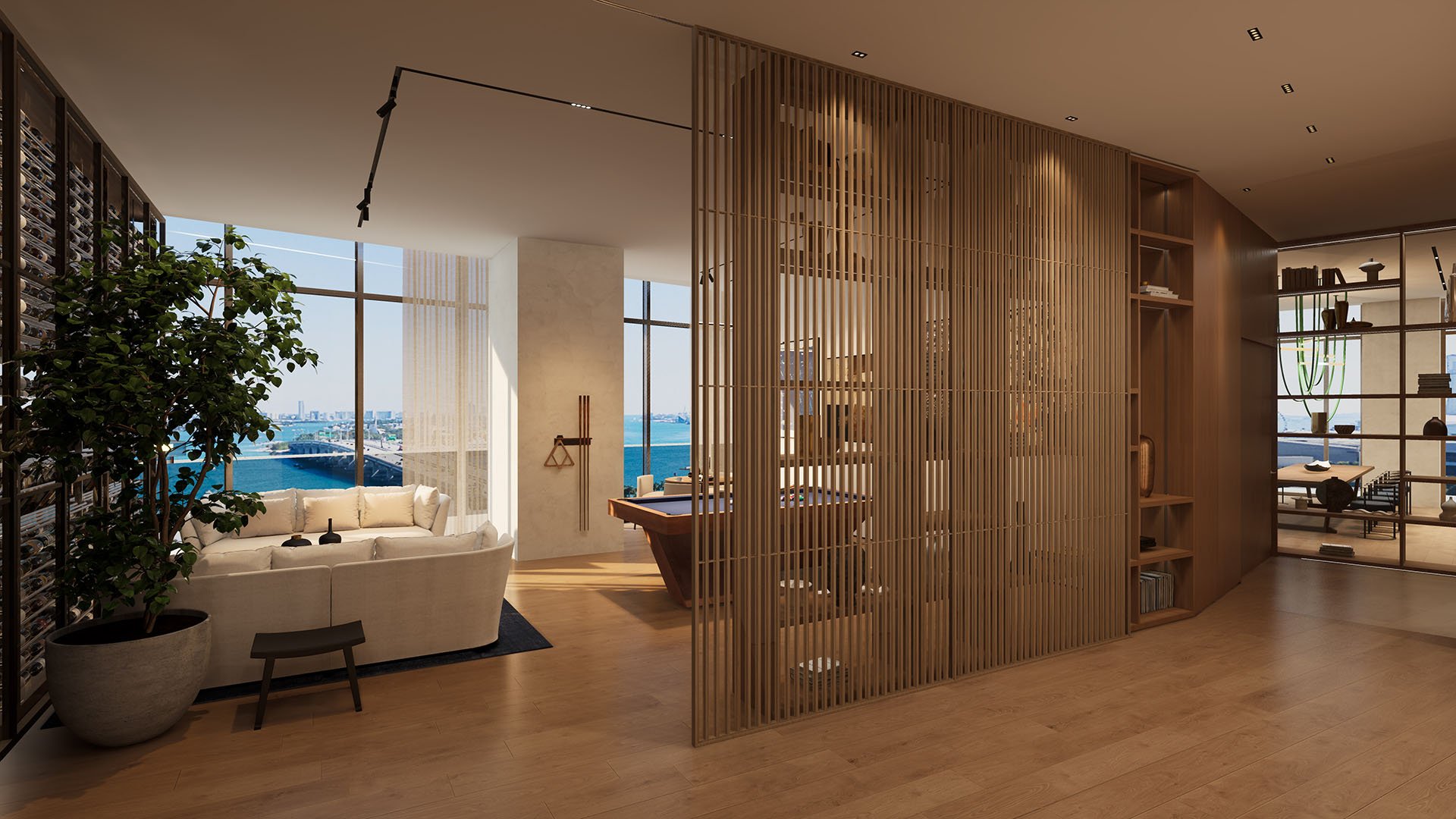
For a snowbird buyer considering Casa Bella by B&B Italia Downtown Miami, a consequential ownership question is how the residence will function while its owner is away during the summer.
That question should be resolved through documentation, not assumption. Buyers should request current written guidance from the developer, condominium association, property manager, insurer, and legal counsel. Governing documents and management procedures should clarify prolonged-vacancy rules, owner obligations, access protocols, and emergency responsibilities. Services described during sales should also be confirmed after turnover to the condominium association.
For seasonal buyers comparing branded residences in Downtown Miami, this operational review is central to the purchase. An orderly plan for the months between visits works best when every responsibility is assigned before departure.
The first request should be a written explanation of what the association maintains, inspects, and addresses during an emergency-and what remains the unit owner’s responsibility. Buyers should also ask whether management requires formal notice when a residence will be vacant for several months and whether periodic inspections are expected.
An amenity-rich building does not necessarily provide house-watch service. Concierge, security, engineering, and property-management functions may each have defined limits. Owners should identify who, if anyone, will enter the residence after an alert, inspect conditions, report findings, and authorize urgent work.
The same diligence applies when evaluating other urban residences, including Waldorf Astoria Residences Downtown Miami and Aston Martin Residences Downtown Miami. The relevant question is not whether a building appears fully serviced, but which services are promised in writing and which must be arranged privately.
A seasonal owner should review the unit policy with the insurer before leaving. The discussion should address vacancy-related restrictions, hurricane deductibles, water damage, mold, personal contents, and loss-assessment coverage. It should also establish any notification, inspection, or mitigation conditions that could affect coverage while the residence is unoccupied.
Insurance review and hurricane planning should proceed together. The owner needs a written plan naming the person authorized to enter, inspect the residence, communicate with management, and coordinate repairs. Emergency contacts should include building management, insurance representatives, the owner’s local agent, and preferred restoration vendors.
Authorization should be explicit enough to function under pressure. A local representative may need documented credentials, keys or approved digital access, and permission to make time-sensitive arrangements. The owner should separately confirm how management will admit that representative when ordinary routines are disrupted.
Climate and moisture control require attention even in an empty residence. Before departure, owners should confirm appropriate system settings with qualified professionals and designate who will respond if temperature or humidity readings move beyond the desired range. The objective is continuity, not merely remote visibility.
Smart thermostats, leak detectors, shutoff valves, cameras, and other monitoring devices can support that plan, but buyers should test their practical limits. Confirm whether each device remains accessible during an internet interruption or power disruption, how alerts are delivered, and who receives them locally. A notification without an authorized responder offers only partial protection.
For buyers also considering The Residences at 1428 Brickell, the same principle applies: technology should be evaluated as part of an operating chain that includes detection, building access, inspection, authorization, and repair coordination. A second-home strategy is strongest when every link has a designated owner.
Before leaving, confirm the building’s procedures for admitting house-watch providers, cleaners, HVAC technicians, plumbers, and other vendors. Ask what identification, insurance documentation, advance registration, scheduling, or owner authorization management requires. A preferred vendor is useful only if the building can admit that vendor when needed.
Everyday logistics also warrant written instructions. Settle package handling, mail accumulation, vehicle storage, valet access, and guest authorization before an extended absence. Owners should specify who may collect items, access a vehicle, or enter the unit, then verify whether those permissions expire or require periodic renewal.
If guests or tenants may occupy the residence during summer, review the governing documents first. Confirm leasing limits, minimum terms, registration requirements, and access rules rather than relying on informal descriptions. The owner’s insurer and local representative should also understand the intended occupancy arrangement.
This is where lifestyle planning becomes risk management. The goal is not to burden seasonal ownership with complexity, but to make the residence easier to manage between visits.
The final pre-summer step is a concise, dated record. Retain written evidence of the pre-departure inspection, climate settings, monitoring tests, access authorizations, insurance confirmations, and vendor instructions. Include the emergency contact chain and current hurricane plan.
Copies should be available to both the owner and the authorized local representative, with relevant portions provided to management where required. Reconfirm the file before each extended absence because association policies, vendors, insurance terms, and access credentials may change. For a seasonal Casa Bella owner, disciplined documentation is a discreet form of preparedness.
Should Casa Bella owners notify management before leaving for summer? Confirm in writing whether management requires notice when a residence will remain vacant for several months.
Does the association inspect an unoccupied residence? Do not assume it does. Request a written division of inspection, maintenance, and emergency-response duties.
Which insurance provisions deserve special attention? Review vacancy restrictions, hurricane deductibles, water damage, mold, contents, and loss-assessment coverage with the insurer.
What should a hurricane plan identify? Name who may enter, inspect conditions, communicate with management, and coordinate urgent repairs while the owner is away.
Can air-conditioning be turned off in an empty unit? Confirm suitable climate-control settings with building management and qualified professionals before departure.
Are smart-home devices sufficient protection? Not by themselves. Confirm how devices behave during power or internet disruptions and assign a local person to respond.
Who should hold access credentials? An authorized local representative should have documented access consistent with the building’s procedures and permission to coordinate urgent work.
How should vendors be prepared for entry? Verify the building’s procedures for admitting house-watch services, cleaners, HVAC technicians, plumbers, and other vendors.
What if guests or tenants will use the residence? Check leasing limits, minimum terms, registration requirements, and access rules in the current governing documents.
What records should the owner retain? Keep inspection notes, system settings, access approvals, insurance confirmations, emergency contacts, and vendor instructions.
If you'd like a private walkthrough and a curated shortlist, connect with MILLION.
If branded residences are on your mind — as a home or as an allocation — we would be glad to share what we are seeing, privately.
Begin a quiet conversation