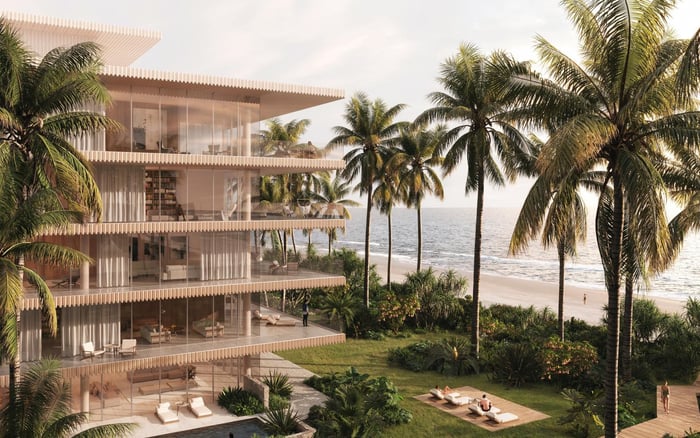
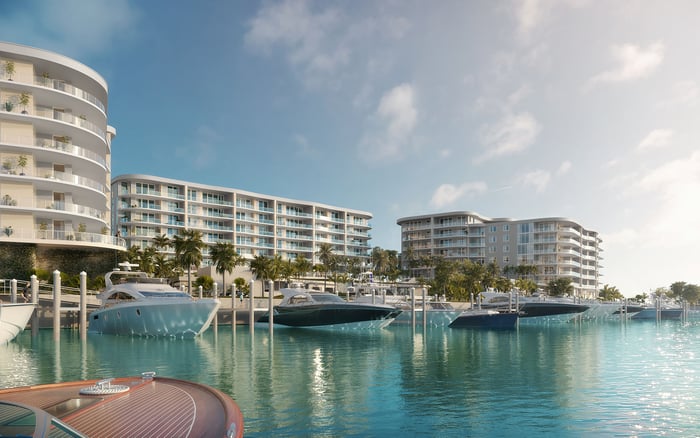
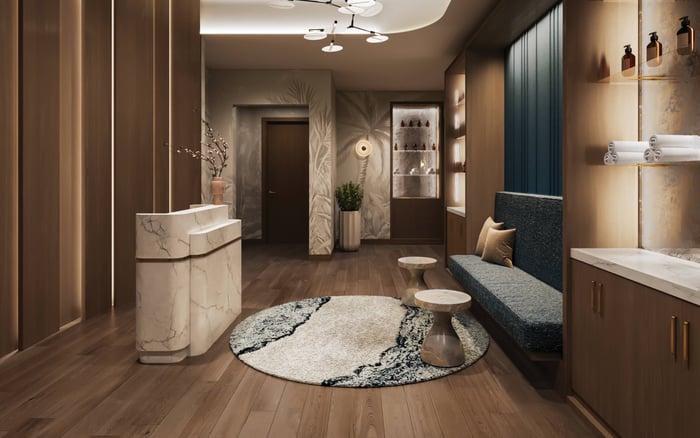
A discreet look at why cold-plunge access fits the hospitality-led promise of Mr. C Residences West Palm Beach, where wellness, privacy, ritual, and daily convenience define the next phase of quiet luxury.
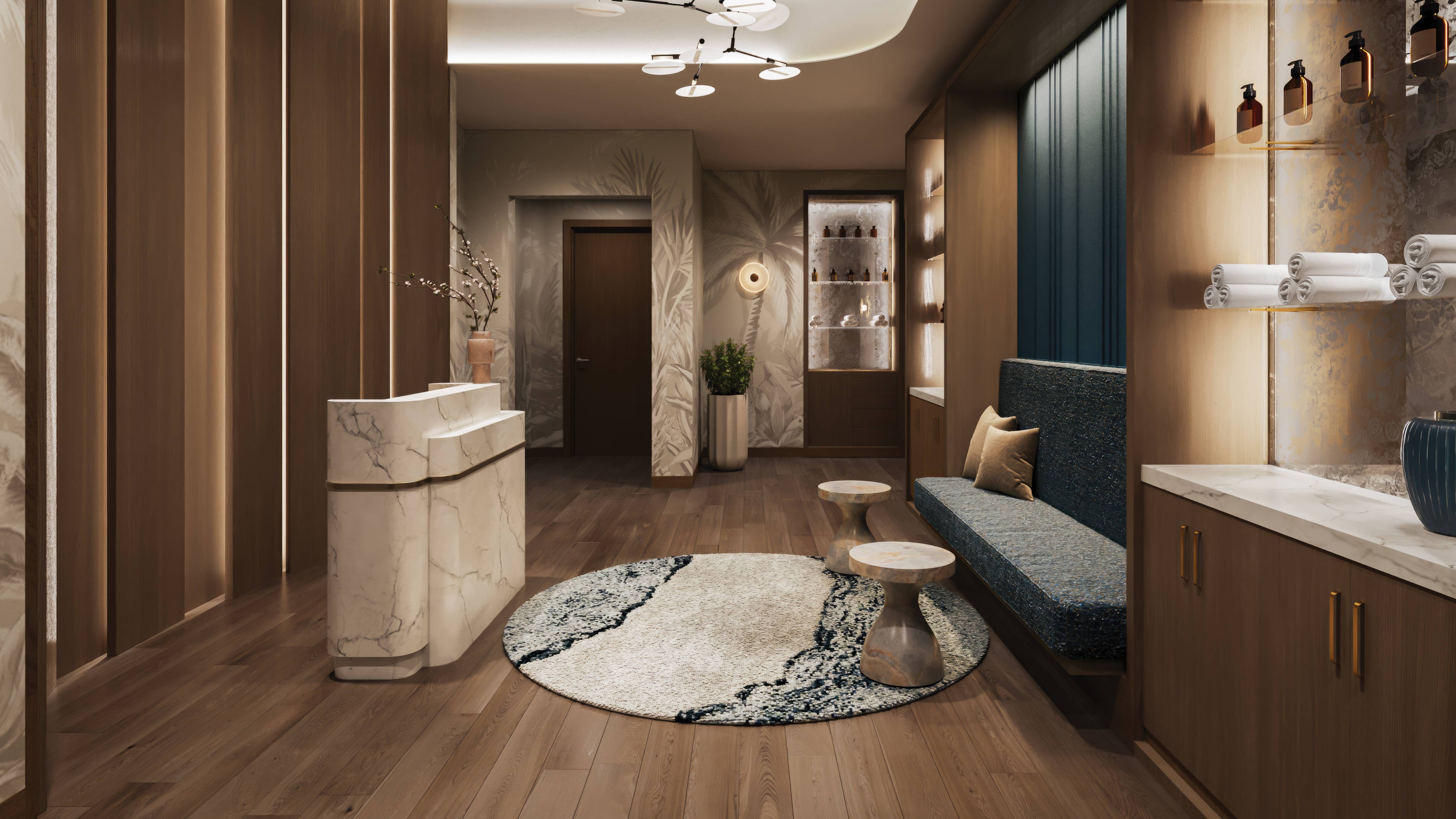
At the top end of South Florida real estate, the most persuasive amenities are no longer the loudest. Buyers who already understand ocean views, private arrivals, spa programming, and hospitality branding are often seeking something more nuanced: a home environment that protects time, elevates routine, and feels composed rather than performative.
That is where the case for cold-plunge access becomes especially relevant for Mr. C Residences West Palm Beach. The project sits within a luxury conversation shaped by branded residential service, wellness-oriented living, and a Palm Beach County buyer who may value discretion as much as display. Viewed as part of broader lifestyle infrastructure, a cold plunge is not about novelty. It is about ritual.
For buyers tracking the West Palm Beach and Palm Beach market, that distinction matters. Wellness amenities can read as a checklist assembled for brochures, or they can function as part of daily life. The quiet-luxury argument is that cold immersion, when designed around privacy and service, belongs firmly to the second category.
Mr. C Residences West Palm Beach is best understood through a hospitality-led lens. The residential promise is not simply architecture, finishes, or a polished lobby. It is the daily experience: how a resident begins the morning, returns from travel, hosts discreetly, unwinds, and preserves a personal rhythm without managing every detail.
That positioning aligns naturally with European hospitality cues: ritual, restraint, understatement, and the confidence to avoid overstatement. In that context, cold-plunge access is compelling precisely because it does not need to be theatrical. It can be a compact, high-impact amenity that supports personal discipline without demanding visual dominance.
South Florida has seen its share of Instagram-forward amenity culture. There is a place for drama, of course, especially in a region built on sun, water, design, and arrival. But the next layer of luxury is often quieter. It is found in acoustic calm, intuitive access, material quality, and staff-supported ease. A cold plunge that feels private, composed, and seamlessly integrated can say more than a larger, louder amenity residents rarely use.
The buyer profile behind this argument is not casual about wellness. This is an affluent, health-literate, time-constrained resident who likely already has views on sleep, recovery, training, nutrition, and personal optimization. For that buyer, the question is not whether wellness sounds attractive. It is whether the residence makes wellness easier to practice.
Cold immersion has become associated with performance culture, discipline, and refined self-care. The important editorial distinction is to avoid treating it as a medical promise. Its real estate relevance is experiential. It offers a clear ritual: a short, bracing moment that can fit into a morning routine, post-training recovery sequence, or private spa cadence.
That is why access matters more than spectacle. If a resident must overplan, travel elsewhere, or share an overly exposed environment, the amenity loses its quiet power. If the experience is close, calm, and easy to use, it becomes part of the home’s value proposition.
The quiet-luxury case for cold-plunge access depends on execution. A stainless basin placed in a busy corner is not luxury. A wellness space that feels acoustically harsh, visually exposed, or operationally generic will not satisfy the buyer this concept is meant to serve.
The design priorities should be clear: privacy, acoustic calm, tactile materials, intuitive circulation, and ease of use. The best version would feel less like a stage set and more like a private ritual room. Lighting should be composed. Surfaces should feel considered. The transition from warm to cold, from movement to stillness, should feel natural rather than improvised.
Service is equally important. A hospitality-led residence should make the experience feel effortless, not clinical. The resident should sense that the amenity has been thought through from the perspective of actual daily use. That is where a branded residential concept can separate itself from a conventional condominium amenity package.
Pool decks, spa rooms, fitness areas, and wellness lounges can all be beautiful. But in a true quiet-luxury environment, beauty is only the beginning. The decisive question is whether the amenity improves the resident’s day without asking for attention in return.
West Palm Beach has matured into a more layered luxury residential market. The conversation is no longer only about proximity to Palm Beach or the convenience of downtown living. It increasingly centers on lifestyle, privacy, service, and the ability to live well with less friction.
That shift benefits projects with a disciplined amenity story. Mr. C Residences West Palm Beach can be framed at the intersection of branded luxury residences, wellness-oriented amenities, and buyer demand for daily convenience. The cold-plunge access argument works because it connects those themes without feeling forced.
A new project in this category must persuade buyers that its value will be felt repeatedly, not just admired once. A marble surface, a dramatic entry, or a photogenic amenity may create a first impression. A discreet wellness ritual creates recurring value. It can become part of why a resident chooses to stay in, reset, train, recover, or begin the day with intention.
Investment logic in luxury residential real estate has become more experiential. This does not mean buyers ignore location, design, views, or brand. It means the most sophisticated buyers often ask a more personal question: will this residence make my life easier, calmer, and better organized?
Cold-plunge access, as part of a broader quiet-luxury wellness strategy, helps answer that question. It suggests a residence designed not only for entertaining or display, but also for the private intervals that shape quality of life. In a hospitality-led setting, those intervals matter: the morning before meetings, the hour after travel, the reset before dinner, the recovery after movement.
For Mr. C Residences West Palm Beach, the stronger story is not cold plunge as trend. It is cold plunge as a discreet daily ritual aligned with service, privacy, and personal optimization. That is a more durable idea than novelty, and it fits the brand’s understated hospitality narrative.
Buyers should focus less on whether an amenity sounds fashionable and more on whether it is integrated with restraint. Is the experience private enough? Is it easy to reach? Does the surrounding environment feel calm? Do materials support the mood? Does service make the ritual seamless rather than burdensome?
These questions are especially relevant in West Palm Beach, where luxury buyers increasingly compare not just residences, but lifestyles. The most compelling branded residences understand that a home is not simply a container for beautiful rooms. It is a support system for how the owner wants to live.
Seen through that lens, cold-plunge access can be an elegant signal. Not a spectacle. Not a wellness gimmick. Rather, a small but powerful expression of the new luxury hierarchy: privacy over performance, ritual over novelty, and daily use over brochure value.
Is cold-plunge access confirmed as a specific amenity at Mr. C Residences West Palm Beach? This article treats cold-plunge access as a positioning argument tied to quiet-luxury wellness, not as a verified specification.
Why does cold-plunge access fit Mr. C Residences West Palm Beach? It aligns with a hospitality-led lifestyle focused on ritual, privacy, service, and daily experience.
Is the appeal mainly about health benefits? The real estate appeal is experiential rather than medical: convenience, discipline, and a refined wellness routine.
How does this differ from typical South Florida amenity marketing? The emphasis is on discreet daily use rather than a visually loud amenity designed primarily for attention.
Why does privacy matter for this kind of wellness amenity? Cold immersion is personal and ritualized, so the setting should feel calm, protected, and easy to use.
What should buyers look for in execution? They should look for acoustic calm, quality materials, intuitive access, and a service-supported experience.
Does this matter for investment value? It can support value when it contributes to a more useful, differentiated, and livable residential experience.
Why is West Palm Beach relevant to this discussion? The market is increasingly competing on lifestyle, privacy, convenience, and branded residential service.
Is this only for fitness-focused buyers? No. The broader appeal is to buyers who want routines that make daily life feel more intentional and efficient.
What is the quiet-luxury takeaway? The strongest amenity is one that residents use often, feel privately, and do not need to display.
For a tailored shortlist and next-step guidance, connect with MILLION.
If branded residences are on your mind — as a home or as an allocation — we would be glad to share what we are seeing, privately.
Begin a quiet conversation