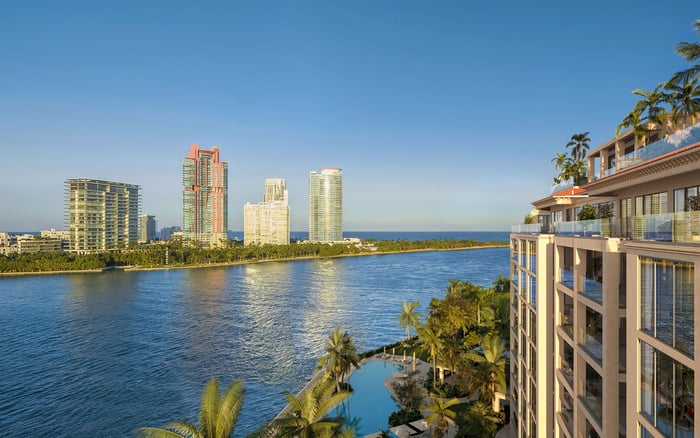
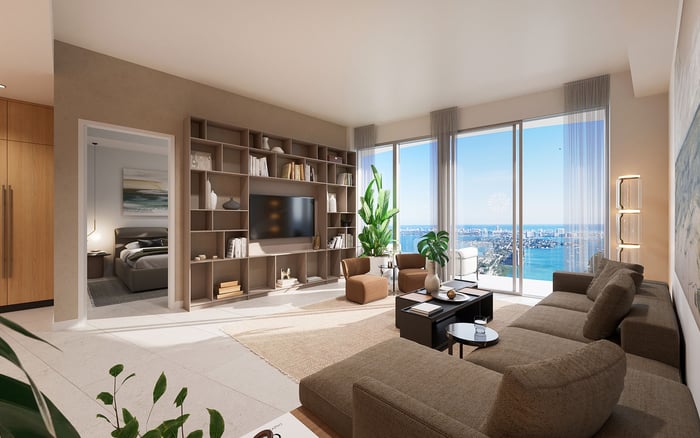
A disciplined insurance review for Key Biscayne buyers, covering reconstruction value, condominium loss assessments, flood and wind exposure, and umbrella coordination.

Moving a family office from Manhattan to Key Biscayne changes more than domicile and scenery. It introduces a coastal insurance structure in which the residence, condominium association, vehicles, watercraft, domestic staff, ownership entities, and excess liability program must function as one coordinated file.
For a principal acquiring a single-family estate or condominium, the central question is not simply whether coverage is available. It is whether limits, valuation clauses, deductibles, exclusions, and cash reserves are calibrated to the asset itself. This buyer’s guide treats insurance as part of the transaction architecture, alongside title, tax, governance, and estate planning.
The relevant number is the cost to reconstruct the insured property, not its purchase price.
A buyer considering Oceana Key Biscayne, for example, should distinguish the unit-level policy from the association’s insurance program. A buyer acquiring a freestanding residence must instead test the dwelling limit, wind arrangement, flood structure, and site-specific rebuilding assumptions directly.
Market value, land value, acquisition price, and replacement cost answer different questions. Insurance replacement cost addresses the expense of reconstructing covered property under the policy, subject to its terms and limits. For bespoke interiors, imported finishes, custom millwork, integrated technology, art lighting, and specialty mechanical systems, a generic estimate may not reflect the owner’s intended restoration standard.
Commission a detailed reconstruction valuation before the insurance contingency expires. Clarify which portions of a condominium residence are the unit owner’s responsibility and which belong to the association. The unit policy may address specified interior features, personal property, additional living expenses, and personal liability, but it does not replace the master policy.
Claim payments and repair reimbursements depend on the policy’s valuation method, conditions, deductibles, and documentation requirements. This can create an interim funding need while repairs progress or a claim remains under review. The family office should therefore model liquidity for deductibles, construction deposits, design fees, temporary accommodations, and potential timing gaps.
For an investment committee, the practical stress test is straightforward: If a major covered loss occurred immediately after closing, how much capital might the owner need before all eligible insurance proceeds became available?
Loss-assessment coverage should not be mistaken for a complete solution to every association charge. Associations may allocate master-policy deductibles or uninsured repair costs among owners, and an individual owner’s share may exceed the protection available under a unit policy. The buyer should establish available limits, terms, and alternatives in writing before closing.
Loss assessment is also not synonymous with every special assessment. Coverage depends on the cause of loss, the ownership of the damaged property, the policy language, applicable exclusions, and other conditions. An assessment for maintenance, reserves, or an excluded event should not be presumed insured.
Request the association’s master property, wind, and flood policies when applicable. Record every deductible, percentage deductible, sublimit, exclusion, valuation basis, and named-insured provision. Review reserve materials, available claims history, current and pending assessments, and relevant board records. Then evaluate the buyer’s potential share of master-policy deductibles rather than relying solely on the unit policy.
This discipline applies across premium condominium markets. A family comparing island options such as The Residences at Six Fisher Island should make the insurance comparison building-specific, not merely neighborhood-specific.
Obtain the current flood-zone determination, available elevation information, and flood terms for the specific property. Compare realistic building and contents values against the proposed coverage. Separately confirm whether wind is included in the property policy, placed through another policy, or subject to a separate deductible.
Waterfront and oceanfront ownership should never be evaluated by postal code alone. Building configuration, elevation, covered property, policy form, and association structure can produce different exposures within the same coastal market. The same principle applies when comparing an island residence with Vita at Grove Isle.
The review should also identify how water intrusion, storm-related damage, temporary relocation, landscaping, docks, seawalls, generators, and other property features are treated. Coverage should be confirmed from the proposed policy documents rather than inferred from a marketing summary or prior owner’s program.
An umbrella principally adds liability protection. It should not be assumed to increase property or condominium loss-assessment coverage. These coverages address different risks, and each requires independent review.
Umbrella placement typically depends on the underlying home, auto, and other liability policies meeting the excess carrier’s requirements. Those requirements should be confirmed directly for the proposed program before closing. For a family office, scheduling should also account for Florida residences, vehicles, watercraft, domestic employees, rental properties, and entity-owned assets.
Ownership and operating arrangements should be disclosed accurately so the underlying policies and umbrella do not rest on conflicting assumptions. Trusts, limited liability companies, family members, household staff, and asset managers may need to be considered in the named-insured and additional-insured analysis, subject to the carrier’s terms.
A principal dividing time between Key Biscayne and an urban residence such as The Residences at 1428 Brickell should ask the umbrella underwriter to view the household as a complete liability ecosystem, not a collection of isolated addresses.
Before the purchase becomes nonrefundable, assemble a written insurance schedule identifying the carrier, named insured, covered location, limits, deductibles, valuation basis, exclusions, effective date, and required underlying liability. Confirm that every policy binds to the correct ownership structure and closing date.
For a second-home acquisition, do not assume that an existing Manhattan program will extend automatically to Florida risks. Require explicit confirmation regarding occupancy patterns, household employees, watercraft, vehicles, trusts, limited liability companies, and any rental activity. Legal, tax, insurance, and property-management advisers should review the same ownership chart.
Finally, maintain a dedicated liquidity reserve for property deductibles, flood and wind gaps, uncovered association assessments, and potential delays in eligible claim payments. Even the most carefully structured insurance program depends on disciplined documentation and available capital.
For discreet guidance on aligning a Key Biscayne acquisition with your broader South Florida portfolio, consult MILLION.
If branded residences are on your mind — as a home or as an allocation — we would be glad to share what we are seeing, privately.
Begin a quiet conversationPurchase price includes land and market factors, while replacement cost concerns reconstructing covered property under the policy. A detailed valuation should reflect the residence’s finishes and systems.
The master policy helps define association-level coverage, deductibles, exclusions, and valuation terms. Those provisions can affect the unit owner’s potential exposure.
No. Coverage depends on the cause of loss, ownership of the damaged property, exclusions, and the policy’s terms.
An owner’s allocated share of a master-policy deductible or uninsured repair expense may exceed the unit policy’s available protection. Buyers should evaluate the association’s actual policies.
Request applicable master property, wind, and flood policies, along with reserve materials, available claims history, assessments, and relevant board records.
Confirm the property’s flood information, available elevation details, proposed flood terms, wind arrangement, deductibles, limits, and exclusions.
Yes. Deductibles, repair deposits, temporary accommodations, and claim-processing timelines can create interim liquidity needs.
The umbrella carrier may require specified underlying protection for homes, vehicles, watercraft, or other liability exposures. Confirm the proposed carrier’s requirements directly.
It should not be assumed to do so. An umbrella principally addresses liability, while loss-assessment coverage concerns qualifying association assessments under its own terms.
Complete it before the purchase becomes nonrefundable. The final schedule should confirm carriers, limits, deductibles, insured parties, effective dates, and umbrella prerequisites.