A discreet buyer’s guide to insurance planning for Houston residents considering Fisher Island and South Florida waterfront ownership, from policy review to closing strategy.
For a Houston buyer considering Fisher Island, insurance is not a closing detail. It is part of the acquisition thesis. Waterfront ownership in South Florida can be elegant, private, and deeply rewarding, but it rewards preparation. The strongest buyers treat insurance planning with the same seriousness as tax structure, estate planning, financing, and the quality of the building itself.
Houston owners are often familiar with storm exposure, flood maps, mitigation questions, and the discipline required after major weather events. South Florida asks a different set of questions. A bayfront condominium, an oceanfront residence, a villa-style home, and a private island estate can each carry different insurance considerations. The right plan is not merely about securing a quote. It is about understanding what is covered, what is excluded, who is responsible, how deductibles work, and how coverage responds when several policies intersect.
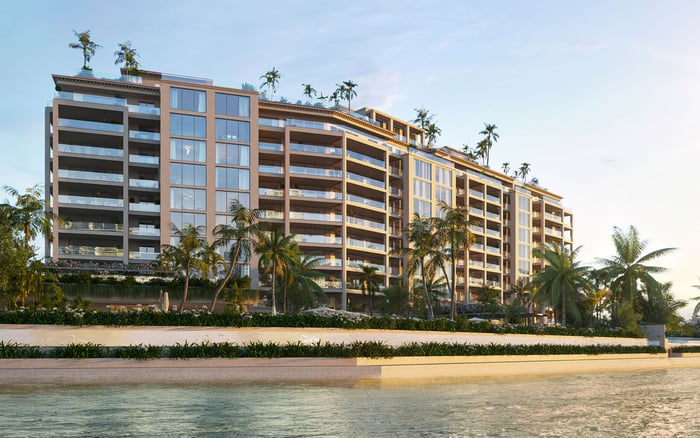
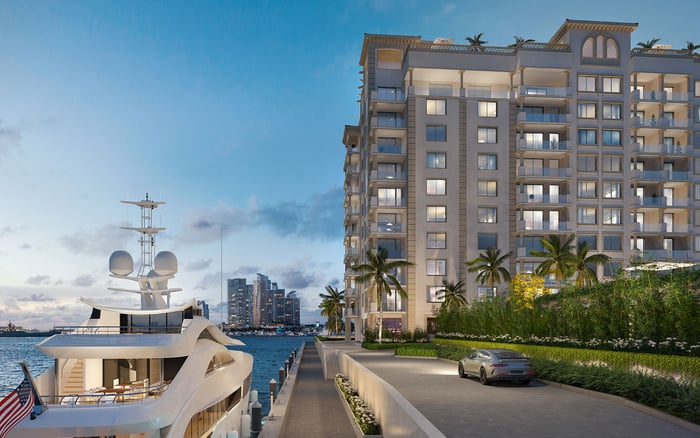
This is especially relevant for buyers comparing branded towers, boutique buildings, and private enclaves. A residence at The Residences at Six Fisher Island may prompt a different checklist than a mainland condominium or a single-family waterfront estate. The objective is not to make insurance the dominant factor. It is to ensure that ownership remains calm, liquid, and well protected.
A buyer moving capital from Houston to Fisher Island should begin with one premise: insurance planning is local. A policy approach that feels adequate in one state may not be adequate in another. Terminology, deductibles, underwriting appetite, flood requirements, association responsibilities, and replacement-cost assumptions can vary widely.
For condominium buyers, the key distinction is the relationship between the association’s master policy and the owner’s personal policy. The master policy may address building-level risks, while the owner’s policy may need to address interior improvements, contents, temporary housing, liability, assessments, and other personal exposures. The dividing line is not always intuitive. It should be reviewed before contract deadlines, not after a lender or closing agent asks for documentation.
For estate and villa buyers, the review broadens. Roof condition, elevation, openings, mechanical systems, waterfront structures, and mitigation features can matter. So can the age and character of renovations. A beautiful residence may still require careful insurance review if prior improvements were not documented in a way that satisfies underwriters.
A refined insurance review starts with property type. Is the buyer acquiring a condominium, a townhouse, a detached home, or a compound-style residence? Is the asset primarily a seasonal second home, a long-term family base, or part of a broader investment strategy? Each use case changes the coverage conversation.
Next comes the association or property documentation. For condominium and managed-community purchases, buyers should ask their advisors to review the master insurance summary, deductibles, claims history if available through proper channels, reserve posture, and any special assessment language that could affect ownership costs. The question is not simply whether the building is insured. The question is how the building is insured, where the owner’s responsibility begins, and how a major deductible might be allocated.
Then comes the personal layer. High-value owners often need coverage for interiors, custom finishes, furnishings, wine, art, jewelry, watercraft exposure, domestic staff liability, cyber risk, umbrella liability, and temporary relocation. These are not lifestyle footnotes. They are part of protecting how the residence is actually used.
Buyers exploring Palazzo del Sol or other Fisher Island residences should build time into the contract process for insurance conversations. A rushed quote may satisfy a transaction deadline, but it may not reveal the nuances that matter after ownership begins.
In luxury condominium ownership, the most common mistake is assuming the building’s policy solves the owner’s problem. It may not. The association policy and the owner policy should be read together. Interior build-outs, flooring, cabinetry, wall coverings, appliances, smart-home systems, and custom lighting can sit in a gray area unless the documents are reviewed carefully.
Named-storm deductibles deserve special attention. Buyers should understand whether a deductible is percentage-based, how it applies, and whether assessments could be passed to owners under the governing documents. A buyer does not need to become an insurance technician, but the buyer should know the financial order of operations if a covered loss affects the building.
This is where a private advisor team becomes valuable. The real estate advisor, insurance broker, attorney, lender, and property manager should not work in isolation. When their reviews are coordinated, the buyer can see the full ownership picture, from premium to deductible to reserve exposure.
Waterfront ownership is rarely only about the residence. It may involve boats, tenders, personal watercraft, club access, staff, guests, visiting family, and frequent entertaining. These details can affect liability planning as much as property coverage.
A buyer comparing The Links Estates at Fisher Island with a high-rise condominium should consider how the property will be used day to day. Will the home be occupied year-round or seasonally? Who will inspect it when the owner is away? Is there a hurricane preparation plan? Are vendors insured? Are valuable contents stored on-site during the off-season?
Waterfront does not have to mean complicated, but it does require systems. The most polished ownership experiences are usually the least improvised. They have written storm protocols, vendor rosters, documented valuables, updated appraisals, and a clear chain of responsibility.
Not every Houston buyer lands immediately on Fisher Island. Some begin in Brickell for vertical convenience, explore Miami Beach for sand and cultural proximity, then refine toward private island living. Insurance planning should travel with the search, because each submarket and product type can shift the conversation.
For example, a buyer evaluating Una Residences Brickell may focus on association coverage, unit interiors, lender requirements, and personal liability in a high-rise environment. A buyer considering The Perigon Miami Beach may prioritize coastal exposure, personal contents, and the interaction between building-level systems and individual coverage.
The comparison is useful because it clarifies priorities. Some buyers want the privacy and rhythm of Fisher Island. Others want the connectivity of Brickell or the beachfront identity of Miami Beach. In every case, the insurance plan should match the asset, not the other way around.
Before closing, buyers should create a private ownership file. It should include insurance declarations, master policy summaries, flood information where applicable, association documents, appraisals for valuables, vendor contacts, photographs of interiors, renovation records, and emergency protocols. This file should be reviewed annually and updated after major purchases, renovations, or changes in occupancy.
Cash buyers should be particularly disciplined. Without a lender requiring evidence of coverage, it can be tempting to move quickly. Yet self-insurance by default is rarely the same as self-insurance by design. If a buyer chooses a higher deductible or retains more risk, that decision should be deliberate, funded, and documented.
The larger point is simple: insurance planning is not a pessimistic exercise. It is a luxury discipline. It protects the privacy, continuity, and confidence that high-end buyers expect from South Florida ownership.
Should Houston buyers assume Florida coverage works like Texas coverage? No. Buyers should have Florida-specific insurance counsel review the property, association documents, and personal coverage needs before closing.
Is insurance planning different for Fisher Island than for mainland Miami? It can be. Property type, association structure, access, waterfront exposure, and use patterns can all shape the coverage strategy.
What should condo buyers review first? Start with the association master policy summary, governing documents, deductible structure, and the owner’s personal policy requirements.
Do cash buyers still need insurance diligence? Yes. A cash purchase removes lender requirements, but it does not remove property risk, liability exposure, or potential assessment exposure.
How early should quotes be requested? Insurance conversations should begin before or immediately after an offer is made, ideally within the due diligence period.
What is gap risk in a luxury condominium? Gap risk is the space between what the association covers and what the owner must insure personally, including interiors and contents.
Should valuables be insured separately? Often, yes. Art, jewelry, watches, wine, collectibles, and designer furnishings may require scheduled or specialized coverage.
Does waterfront ownership change liability planning? Yes. Boats, guests, staff, docks, pools, and entertaining can increase the need for careful umbrella liability review.
Can premiums change after closing? They can. Owners should expect annual reviews and should update coverage after renovations, new purchases, or occupancy changes.
Who should be involved in the review? The buyer’s insurance advisor, attorney, real estate advisor, lender if applicable, and property manager should coordinate before closing.
For a tailored shortlist and next-step guidance, connect with MILLION.
If branded residences are on your mind — as a home or as an allocation — we would be glad to share what we are seeing, privately.
Begin a quiet conversation