A buyer-focused guide to evaluating concierge depth at Mila Bay Harbor Islands before contract, with emphasis on staffing, standards, budgets, privacy, vendor access, and disruption readiness.
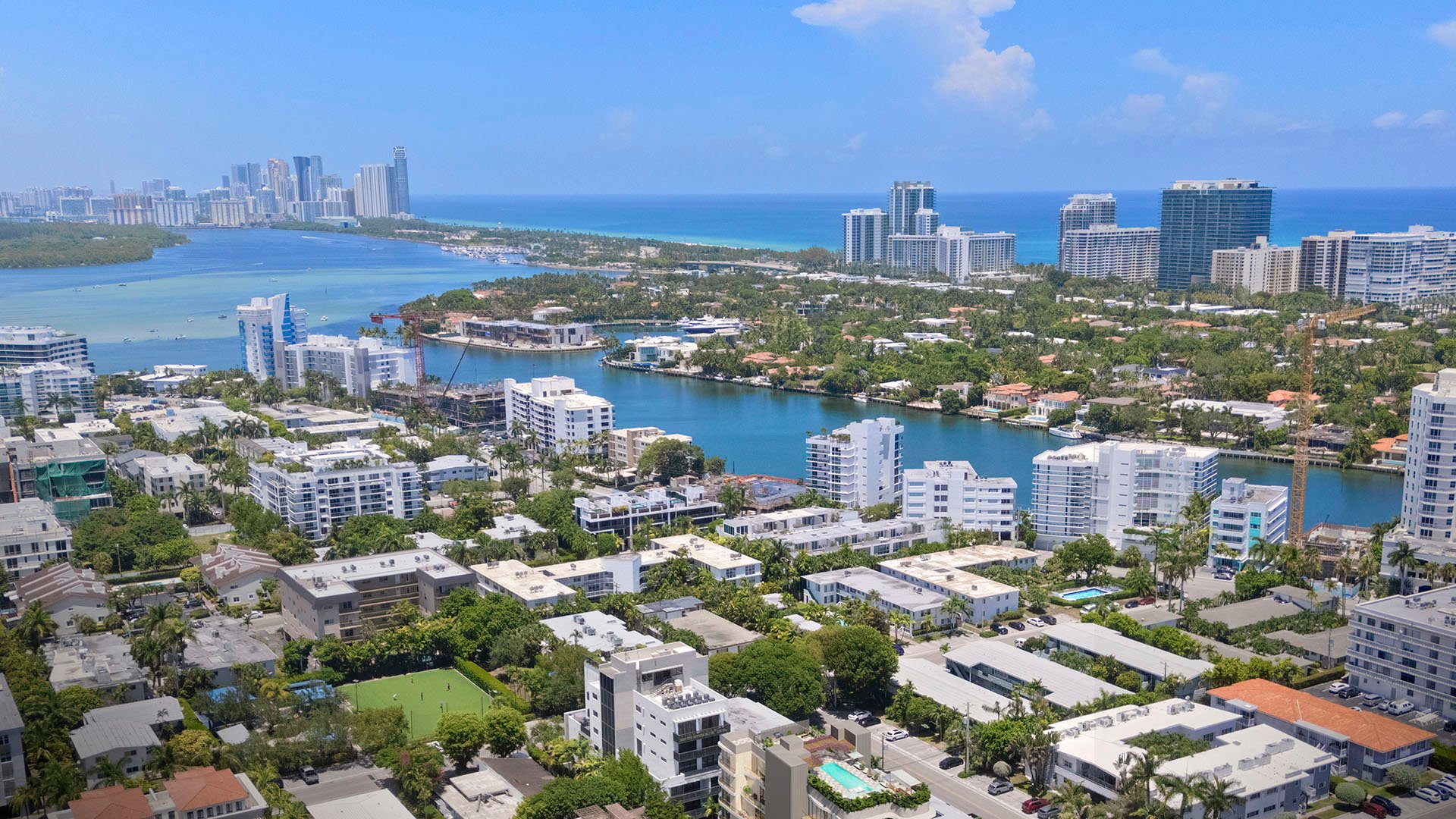
At Mila Bay Harbor Islands, the word concierge deserves more scrutiny than a casual amenity label. For luxury buyers comparing boutique, new-construction, pre-construction, marina, and second-home living across South Florida, concierge depth is not simply a polished desk or a gracious greeting. It is an operating system that can shape privacy, convenience, household rhythm, and long-term satisfaction.
The question is not only whether the building offers concierge service. The sharper question is how that service is staffed, trained, funded, supervised, and measured before a buyer signs a contract. In a waterfront-oriented Bay Harbor Islands setting, the difference between a true residential service platform and a request-forwarding desk can be meaningful.
A well-run concierge program sits between hospitality and property operations. It may influence how smoothly arrivals are handled, how vendors enter a residence, how packages and appointments are managed, and how quickly residents feel supported during routine or unusual circumstances.
That is why concierge depth should be evaluated before contract, not after closing. Staffing levels, service hours, training expectations, service standards, and projected operating budgets can all affect daily living quality. A beautiful amenity narrative is not enough if the documents and budget do not support the level of service being described.
Buyers should examine the building’s service model in concrete terms. Is the concierge in-house, outsourced, or structured as a hybrid? Who supervises the team? What service hours are contemplated? Are response standards documented? How are resident requests logged, escalated, and followed up? These are operational questions, but in the luxury market they are also lifestyle questions.
Before relying on concierge language, buyers should review the condominium documents, projected budgets, and management agreements with care. The objective is to determine whether the service level being marketed has a practical foundation. A strong concierge platform usually requires payroll, training, vendor coordination, technology, supervision, and accountability.
Budget review matters because service is recurring, not decorative. If staffing is thin or service hours are limited, the lived experience may not match the sales-gallery impression. If management responsibilities are vague, residents may later discover that certain requests are handled informally, inconsistently, or at additional cost.
Look for clarity around roles. A concierge may greet guests, coordinate deliveries, book services, supervise vendors, or assist with pre-arrival preparation, but each building defines the role differently. The contract-stage diligence goal is to turn a broad promise into measurable expectations.
A practical way to test concierge depth is to ask how the team would handle real-life situations. How would the building coordinate pre-arrival provisioning for an owner flying in late? What happens if a private chef needs kitchen access before the resident arrives? How would childcare support, maintenance supervision, or a time-sensitive delivery be handled?
The quality of the answer matters. A deep concierge operation should be able to describe a process, not simply say the request can be accommodated. Buyers should listen for who is responsible, how access is controlled, how privacy is protected, how vendors are vetted, and how follow-up occurs.
This is where the distinction between anticipation and forwarding becomes clear. A true concierge culture is proactive. It understands resident patterns, preserves discretion, and solves friction before it becomes visible. A lighter model may simply pass requests to third parties, leaving the owner to manage complexity.
For Bay Harbor Islands buyers, local knowledge is not a luxury extra. It can be central to whether the concierge feels effective. The team’s relationships with dining, healthcare, schools, clubs, aviation, yacht services, religious-service networks, and trusted home vendors may determine how well it serves a high-expectation household.
Because Bay Harbor Islands sits within a waterfront luxury context, buyers should also ask about marine and boating-related coordination where relevant. That does not mean every resident needs yacht support, but the ability to understand waterfront routines can be meaningful for certain households.
The most revealing question is whether relationships are established and actively managed, or merely searched for when needed. A strong concierge network is built over time. It is also discreet. For ultra-high-net-worth and multi-home owners, privacy practices should be discussed with the same seriousness as access to restaurants or transport.
Concierge service often touches sensitive information: travel schedules, guest names, vendor access, family routines, healthcare appointments, religious observance, school logistics, and household staffing. Buyers should ask how information is handled, who can see it, and whether confidentiality protocols exist.
Discretion is more than politeness. It is a system of habits, training, and limits. The stronger the household profile, the more important it becomes to understand how requests are recorded, how staff members communicate internally, and how third-party vendors are introduced to residents.
A polished hospitality tone can be charming, but privacy discipline is what protects quality of life. In a market where many owners divide time among several residences, the concierge may become a quiet guardian of patterns, preferences, and personal security.
South Florida service quality can be tested by seasonality. During peak periods, resident arrivals, guest traffic, dining demand, vendor scheduling, and transportation requests can intensify. Buyers should ask whether staffing levels and response standards are expected to remain stable during these periods.
Coastal living also requires a conversation about hurricane and disruption readiness. Concierge evaluation should include how the building plans to communicate with residents, manage vendor coordination, support access issues, and maintain service continuity when ordinary routines are interrupted.
This is not a pessimistic line of questioning. It is a practical one. Luxury service is most valuable when conditions are imperfect. A concierge platform that functions only when everything is easy may not be deep enough for the expectations of a serious South Florida buyer.
Concierge depth should be benchmarked against comparable high-end South Florida residences, not judged only by presentation language. Buyers who own in multiple markets often understand this instinctively: the best buildings feel organized because their service standards are embedded, funded, and managed.
At Mila Bay Harbor Islands, the evaluation should focus on what can be verified before contract. Ask for the operating assumptions. Review projected budgets. Understand management responsibilities. Test real scenarios. Compare the answers against the level of service expected in a premium waterfront residential environment.
The most sophisticated buyers do not chase the longest amenity list. They look for the service structure most likely to support calm, privacy, and ease over time.
Why evaluate concierge depth before contract? Because staffing, service hours, budgets, and standards can affect daily living quality after closing.
Is concierge the same as a front desk? Not necessarily. A deeper concierge platform anticipates needs, coordinates vendors, protects privacy, and manages follow-through.
What documents should a buyer review? Buyers should review condominium documents, projected budgets, and management agreements before relying on concierge promises.
What is a good scenario to test? Ask how pre-arrival provisioning, chef coordination, childcare support, or maintenance supervision would be handled.
Why do staffing ratios matter? Staffing ratios help indicate whether the building can support service expectations during ordinary and peak periods.
Should buyers ask about vendor relationships? Yes. Established relationships with trusted local providers can make concierge service more effective and discreet.
Does boating matter in this evaluation? It may. In a waterfront-oriented setting, marine and boating coordination can be relevant for certain residents.
How important is privacy? Privacy is essential, especially for ultra-high-net-worth, multi-home, or high-visibility households.
What about hurricane readiness? Buyers should ask how communication, access, vendors, and service continuity are managed during disruptions.
What is the best way to shortlist comparable options for touring? Start with location fit, delivery status, and daily lifestyle priorities, then compare stacks and elevations to validate views and privacy.
When you're ready to tour or underwrite the options, connect with MILLION.
If branded residences are on your mind — as a home or as an allocation — we would be glad to share what we are seeing, privately.
Begin a quiet conversation