For full-time buyers, the choice between Miami and Palm Beach is less about skyline preference and more about the building culture that will shape everyday life.
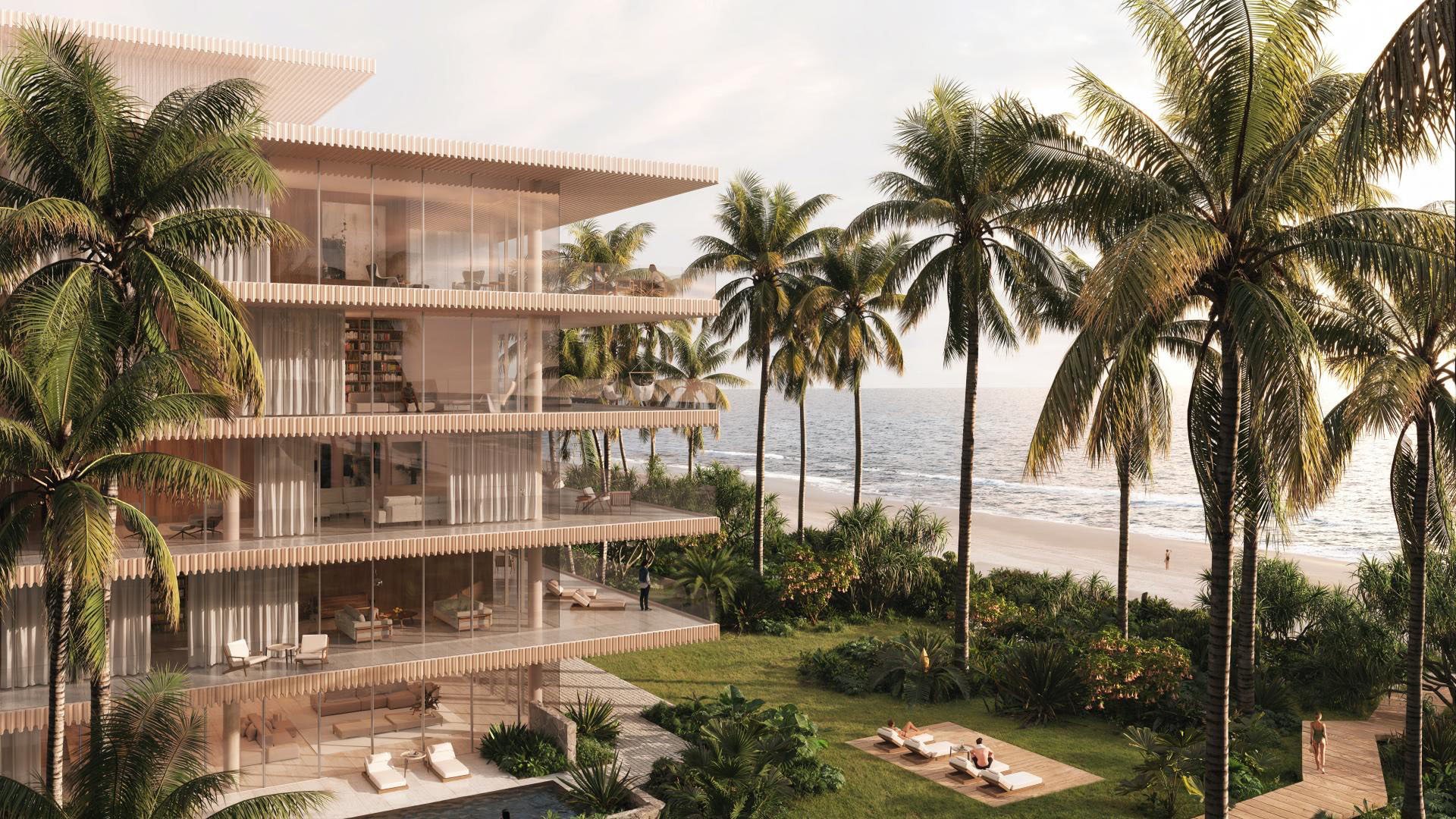
For a full-time buyer, the defining question is rarely which address appears most impressive on paper. It is whether the building’s culture supports the way life actually unfolds from Monday morning through Sunday evening. Miami and Palm Beach can both deliver waterfront views, private services, sophisticated design, and a high level of residential polish. Yet the lived experience can vary dramatically from one tower, enclave, or boutique address to another.
Building culture is the invisible amenity. It is how the valet greets returning owners, whether residents treat the pool as a social stage or a quiet retreat, how boards approach renovations, how guests are received, and whether the lobby feels like a private club, a hotel, or a true residential foyer. In South Florida’s luxury market, that culture can matter as much as the floor plan.
The Miami versus Palm Beach decision should therefore begin with rhythm. Do you want access, energy, and constant choice, or do you want quieter repetition, familiar faces, and a more restrained social tempo? The answer will shape not only the city, but the building type, neighborhood, service model, and long-term satisfaction of the purchase.
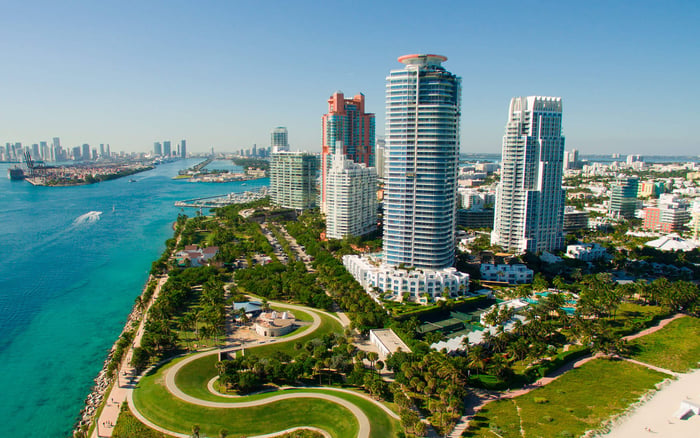
Miami rewards buyers who want range. A full-time resident can choose a high-design beach building, a waterfront tower in Brickell, a village-scale address in Coconut Grove, or a more residential pocket near the bay. The culture can be international, design-forward, social, fitness-centered, family-oriented, or hospitality-inflected, sometimes within a short drive.
In Brickell, the building culture often suits buyers who value vertical convenience and a more urban daily pattern. Residences such as St. Regis® Residences Brickell speak to a resident who wants services, dining, business access, and a polished arrival sequence woven into a metropolitan routine. The mood is not necessarily loud, but it is connected. Elevators, lobbies, and amenity decks become part of a broader city life.
Miami Beach offers a different equation. The buyer who considers The Perigon Miami Beach is often thinking about the beach as a daily constant, not a vacation backdrop. Here, full-time life depends on whether the building culture protects privacy while still allowing the pleasures of oceanfront living. The right Miami Beach building can feel serene at home and dynamic just beyond the door.
Coconut Grove introduces another tone entirely. At Four Seasons Residences Coconut Grove, the appeal aligns with buyers who want mature landscaping, a more neighborhood-oriented cadence, and a softer relationship to the city. For many full-time residents, that balance is the point: Miami access without the feeling of living at the center of every conversation.
Palm Beach attracts buyers who are less interested in constant reinvention and more interested in consistency. The cultural promise is not an absence of luxury, but control of tempo. Full-time life can feel more ceremonial, more private, and more tied to familiar routines. The social code is quieter. A building’s success is often measured by how little it needs to announce itself.
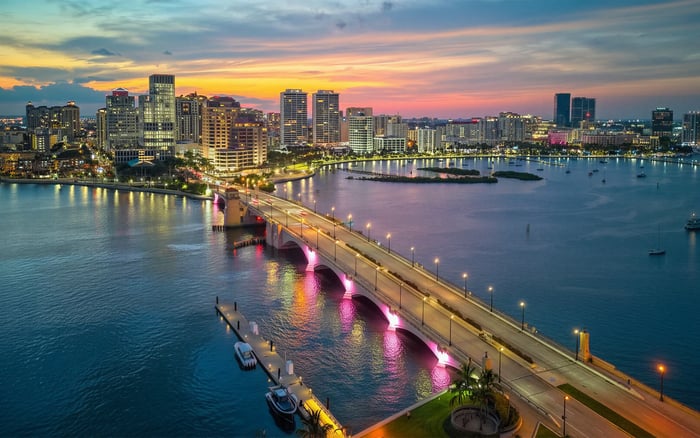
For buyers considering Palm Beach or nearby West Palm Beach, the distinction between island atmosphere and mainland convenience becomes important. A residence such as The Ritz-Carlton Residences® West Palm Beach may appeal to those who want a serviced residential environment with access to an evolving urban center, while still remaining close to the broader Palm Beach lifestyle. The culture may feel more settled than Miami’s most energetic districts, but it is not static.
Palm Beach itself tends to reward buyers who value understatement. The building culture may place greater emphasis on discretion, guest control, quiet common areas, and continuity among residents. For full-time living, that can be deeply appealing. The trade-off is that buyers who thrive on variety need to be honest about whether the pace will feel elegant or too contained.
A smart buyer studies a building at different times of day. Morning tells one story: dog walks, school runs, fitness routines, staff choreography, and the way the building handles departures. Late afternoon tells another: pool energy, returning residents, children, guests, deliveries, and the transition from day to evening. Weekend behavior can be the most revealing of all.
In Miami, a building may feel calm during the week and more social on weekends. In Palm Beach, the culture may be more consistent, though seasonal shifts can still change the atmosphere. The question is not whether one is better. The question is whether the building’s natural behavior suits you when you are not performing the role of buyer, host, or guest.
Pay attention to the lobby. Is it used as a passageway, a social room, or a hospitality lounge? Watch the pool deck. Is it family-forward, quiet, resort-like, or fitness-driven? Ask how long staff members tend to stay. Stability in personnel can shape a full-time resident’s sense of home more than a dramatic amenity rendering.
Luxury buyers often focus on finishes and views first, then study governance later. For full-time living, that order should be reversed. Building rules around renovations, pets, guest access, rentals, deliveries, contractors, and amenity use define the daily experience. A board that protects residential quality can be an asset; a culture that feels overly restrictive may frustrate a buyer accustomed to flexibility.
Privacy is also expressed differently in Miami and Palm Beach. In Miami, privacy often means controlled access within an active environment. You may want discreet arrivals, private elevator access, secure package handling, and staff who can manage a high volume of movement without making the building feel exposed. In Palm Beach, privacy may be more cultural than logistical, shaped by quieter social expectations and less visible common-area activity.
Full-time buyers should also consider household composition. A couple living primarily in South Florida, a family with school-age children, a single owner who travels often, and a multi-generational household may all need different building cultures. The right residence is the one that supports ordinary days, not only glamorous ones.
Choose Miami if you want multiple versions of luxury within reach. It is well suited to buyers who want restaurants, art, wellness, business access, boating, beaches, and frequent social motion without giving up high-service residential living. The key is to select a building whose internal culture provides the level of calm you need.
Choose Palm Beach if you want a more composed framework for life. It suits buyers who prefer discretion, routine, and a refined residential atmosphere that does not need to be constantly activated. The key is to confirm that the quiet feels restorative rather than limiting.
For many buyers, the answer is not a city but a micro-culture. A Miami building with a restrained resident profile may feel more livable than expected. A West Palm Beach address with sophisticated services may offer the bridge between island elegance and practical daily access. The best decision comes from observing how a building behaves when no one is selling it to you.
Is Miami better than Palm Beach for full-time luxury living? Miami is better for buyers who want energy, access, and variety. Palm Beach is better for those who value discretion, continuity, and a quieter daily rhythm.
What does building culture mean in a luxury condo? It means the lived atmosphere created by residents, staff, rules, amenities, guest policies, and everyday behavior. It is the difference between a residence that feels like home and one that merely looks impressive.
Should I visit a building more than once before buying? Yes. Visit at different times of day and, if possible, on a weekend to understand how residents actually use the property.
Is Brickell practical for full-time residents? Brickell can be highly practical for buyers who want an urban routine, strong services, and easy access to dining and business districts. The right building culture is essential for balance.
Does Miami Beach work for year-round living? Yes, especially for buyers who want the beach integrated into daily life. The best fit depends on privacy, access, and the building’s social temperature.
Why do some buyers choose Coconut Grove over Miami Beach? Coconut Grove often appeals to buyers seeking a softer neighborhood cadence and a more residential feel. It can offer Miami access without the same resort-like rhythm.
Is Palm Beach too quiet for some buyers? It can be, particularly for those who want frequent novelty and a broad social calendar. For others, that restraint is precisely the attraction.
How important are building rules for full-time ownership? Very important. Rules around guests, renovations, pets, rentals, and amenities shape everyday comfort more than many buyers expect.
Should service level influence my decision? Yes. Staff consistency, arrival experience, maintenance standards, and privacy protocols all affect the quality of daily life.
Can West Palm Beach be a compromise between Miami and Palm Beach? For some buyers, yes. It can offer a serviced residential environment with access to Palm Beach lifestyle elements and a more practical urban framework.
For a confidential assessment and a building-by-building shortlist, connect with MILLION.
If branded residences are on your mind — as a home or as an allocation — we would be glad to share what we are seeing, privately.
Begin a quiet conversation