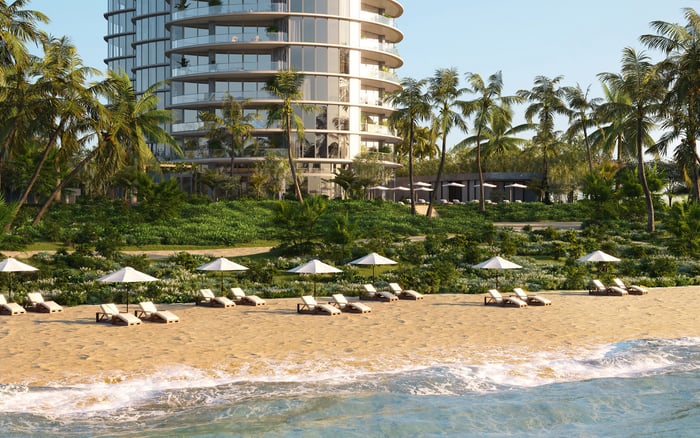
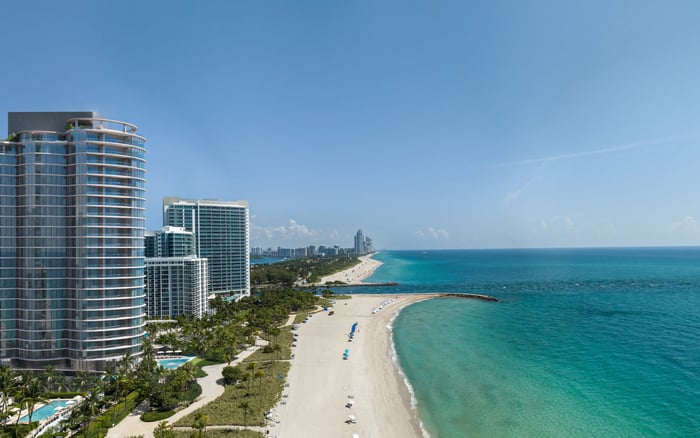
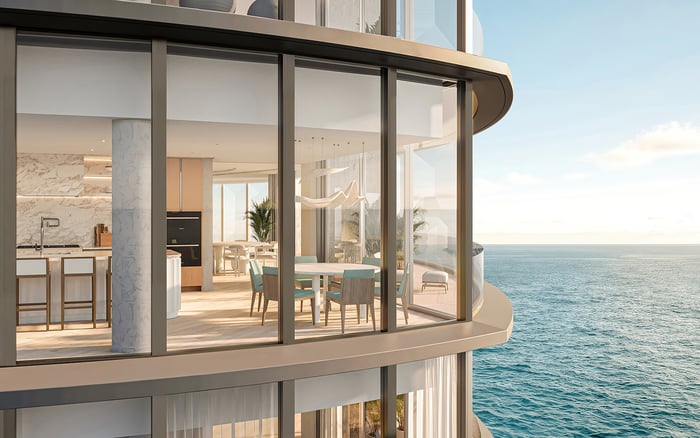
Miami Beach offers broader walkable choice across multiple districts, while Bal Harbour delivers a compact, highly polished luxury circuit shaped by retail, beach access, hotels, and village-level security.
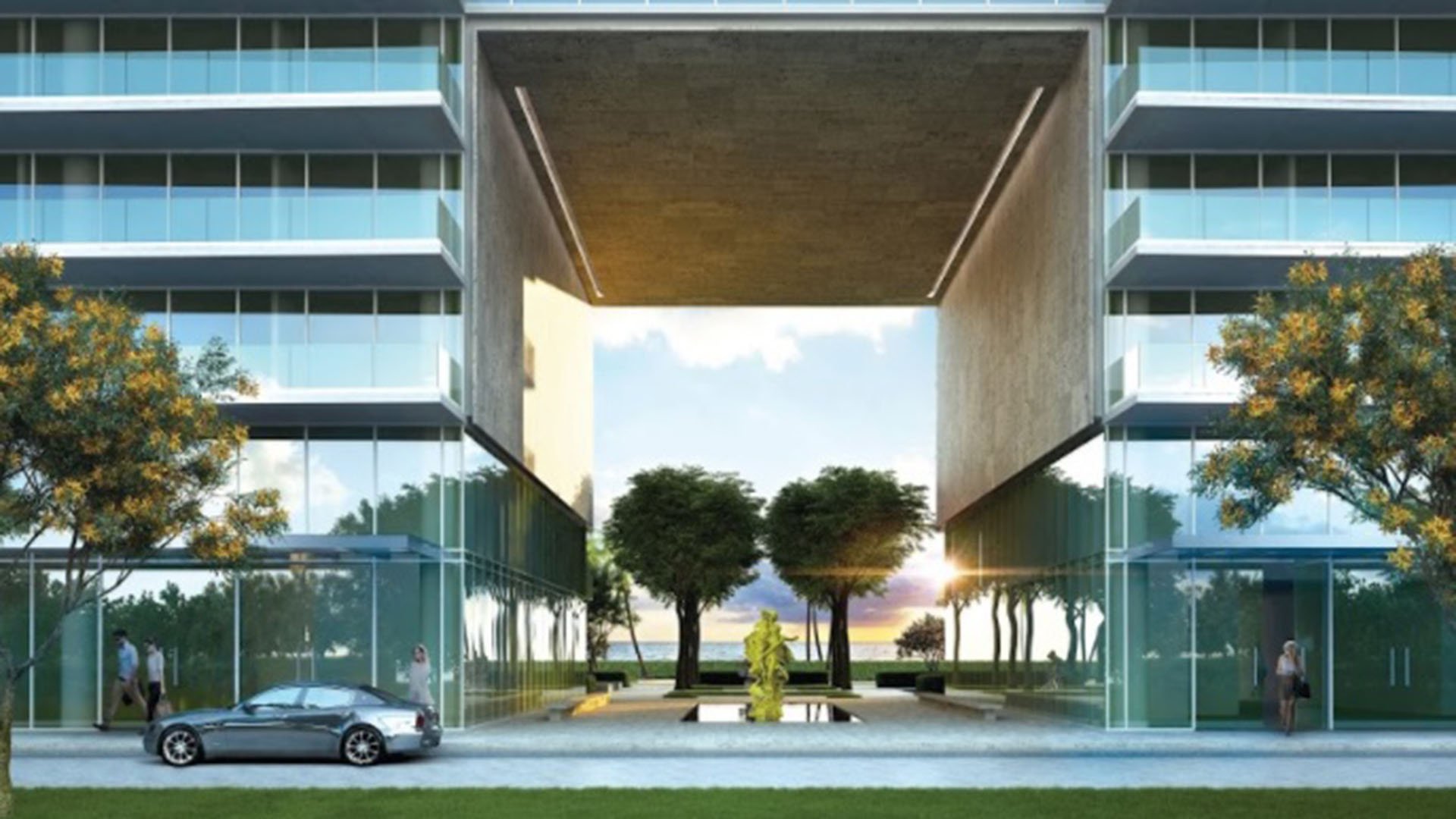
Miami Beach and Bal Harbour are often discussed as neighboring luxury choices along the same barrier-island chain, yet they function very differently in daily life. For a buyer, the distinction is not simply north versus south, or lively versus quiet. It is a question of scale, urban texture, pedestrian routine, service culture, and how much variety one expects immediately outside the lobby.
Miami Beach is a true city. Its walkability changes by district, from South Beach and Mid-Beach to North Beach, hotel corridors, residential enclaves, retail streets, entertainment areas, and oceanfront condominium zones. Bal Harbour is a small village north of Surfside, best understood as a compact luxury enclave rather than a full-scale urban district. That difference shapes everything from dinner reservations to security presence, from transportation options to the way building staff, hotel operators, retailers, and municipal services set expectations.
For buyers, this comparison often sits within broader Miami Beach and Bal Harbour considerations, especially when weighing oceanfront living, beach-access convenience, a South of Fifth lifestyle, or proximity to Surfside.
Miami Beach is generally very walkable compared with many South Florida markets, but the experience is uneven by design. South of Fifth, Lincoln Road, Sunset Harbour, Mid-Beach, North Beach, and the oceanfront hotel districts each create a distinct pedestrian pattern. In some pockets, a resident can walk to restaurants, fitness studios, beach access, cafés, and nightlife. In others, the beach may be close while daily errands still benefit from a car, trolley, bike, or rideshare.
The city also has layers that support car-light living. A free city trolley connects major areas, Citi Bike adds a flexible bike-share option, and the Collins Avenue corridor functions as a north-south mobility spine for Miami Beach and the communities beyond it. For buyers who want an active urban-coastal life, this matters. Walkability is not limited to the immediate block; it extends through a network of sidewalks, hotel zones, retail corridors, parks, and transit options.
That breadth is why a Miami Beach buyer should study the exact building context. A residence at Five Park Miami Beach may appeal to someone who wants South Beach adjacency and a broader city lifestyle, while The Perigon Miami Beach speaks to a more residential oceanfront rhythm. Both are Miami Beach, but the daily walking pattern, guest flow, and service setting can feel materially different.
Bal Harbour does not try to compete with Miami Beach on abundance. Its appeal is more precise: luxury retail, refined dining, beach access, high-end hotels, oceanfront residences, quiet streets, and a village structure that feels controlled. For many buyers, that narrower circuit is not a limitation. It is the point.
The central pedestrian anchor is Bal Harbour Shops. It concentrates luxury-brand expectations, dining, and a particular social cadence into one highly recognizable destination. The walkability question in Bal Harbour is therefore address-specific. A condominium close to Collins Avenue, the beach, Bal Harbour Shops, and the Surfside edge can feel highly convenient. A location farther from those anchors may still be peaceful and elegant, but less destination-rich on foot.
This is where residences such as Rivage Bal Harbour and Oceana Bal Harbour enter the buyer conversation. The draw is not urban density. It is the ability to live within a compact luxury environment where the beach, village streets, retail, and hotel-level expectations sit close together.
Service in Miami Beach is distributed across many worlds. There are luxury condominiums, boutique hotels, major resorts, restaurants, nightlife venues, cultural attractions, architectural landmarks, beach clubs, and city services operating at scale. That creates energy and choice, but also volume. Residents may experience a richer menu of services, yet they also share the city with visitors, events, traffic patterns, and nightlife cycles.
The service environment is therefore more layered. In a single day, a resident may move from a quiet private elevator to a busy hotel lobby, from an architecturally significant street to a restaurant corridor, then to the beach or a cultural event. This is part of Miami Beach’s appeal. Its historic preservation framework, including Art Deco and MiMo resources, creates a pedestrian experience with more texture than a newer luxury enclave can typically offer.
Bal Harbour’s service culture is more concentrated and more curated. The village’s hospitality benchmarks are reinforced by its high-end hotels, including beachfront resort environments known for high-touch amenities. Its municipal structure also supports a security-conscious residential and retail setting. Buyers coming from private clubs, resort residences, or full-service buildings often understand Bal Harbour immediately: fewer moving parts, more polish, less urban friction.
Bal Harbour does not exist in isolation. Its relationship with Surfside matters, especially for buyers evaluating walkability at the northern end of the barrier island. Surfside can add nearby dining, residential calm, and additional beach-town texture to the Bal Harbour lifestyle. A buyer considering The Delmore Surfside may be drawn to a quieter stretch that still benefits from proximity to Bal Harbour’s luxury retail and hospitality circuit.
This northern corridor is distinct from Miami Beach’s broader city experience. It is less about moving between multiple entertainment districts and more about maintaining a refined daily orbit. The Collins Avenue spine remains important, connecting Bal Harbour with Miami Beach to the south and Sunny Isles Beach and Aventura to the north, but the feeling on foot is quieter and more residential.
For the buyer who wants options, Miami Beach usually offers more. More restaurants, more hotel lobbies, more cultural texture, more nightlife, more transportation layers, and more neighborhood variety. It is the better fit for someone who wants the city to unfold in several directions, with different moods available within a short drive, trolley ride, bike ride, or walk.
For the buyer who wants a compact luxury setting, Bal Harbour is often more compelling. Its value proposition is not the number of destinations. It is the refinement of the few that matter most: the beach, the shops, the hotels, the residence, the village streets, and the sense of control. The trade-off is deliberate. Miami Beach gives breadth. Bal Harbour gives compression and polish.
The right answer depends on temperament. Some owners want the charisma of Miami Beach, with its architecture, hospitality density, and constant movement. Others want Bal Harbour’s edited version of coastal luxury, where daily life is quieter, service cues are more consistent, and the walkable circuit is smaller but more elevated.
Is Miami Beach more walkable than Bal Harbour? Miami Beach offers more walkable districts and destinations overall, while Bal Harbour is compact and easier to understand at the village level.
Does Bal Harbour feel more private than Miami Beach? Generally, yes. Bal Harbour’s smaller scale, luxury retail focus, and village services create a more controlled residential atmosphere.
Can a Miami Beach resident live without a car? In certain districts, a car-light lifestyle is realistic because of walkable streets, the trolley, bike-share access, and coastal transit connections.
Can a Bal Harbour resident walk to daily destinations? It depends on the exact address. Proximity to Collins Avenue, the beach, Bal Harbour Shops, and Surfside makes the biggest difference.
Which area has stronger nightlife access? Miami Beach has the broader nightlife and entertainment environment, especially in and around South Beach and major hotel districts.
Which area has the more curated luxury feel? Bal Harbour is the more curated choice, with luxury shopping, refined dining, high-end hotels, and a compact village setting.
Is South of Fifth comparable to Bal Harbour? They can both feel premium, but South of Fifth sits within a larger city fabric, while Bal Harbour is a smaller village enclave.
Do service expectations differ inside condominium buildings? Yes. Miami Beach buildings operate within a busier city context, while Bal Harbour buyers often expect quieter, resort-level polish.
Is Surfside relevant when comparing Bal Harbour? Yes. Surfside adds nearby residential texture and can expand the practical walking circuit around Bal Harbour.
What should buyers compare before choosing? Compare the exact building address, beach access, nearby dining, retail, transit, security posture, and the preferred daily rhythm.
For a confidential assessment and a building-by-building shortlist, connect with MILLION.
If branded residences are on your mind — as a home or as an allocation — we would be glad to share what we are seeing, privately.
Begin a quiet conversation