A discreet buyer’s guide for Mexico City residents considering Fisher Island, with emphasis on residency planning, documentation, lifestyle fit and the difference between owning in Florida and actually substantiating a tax position.
For a Mexico City buyer, Fisher Island is rarely just a purchase. It is a decision about residence, privacy, family rhythm, capital preservation and the architecture of a life that may span several jurisdictions. The phrase state-income-tax savings sounds simple; in practice, the opportunity depends on how a buyer lives, works, documents intent and coordinates advisers before closing.
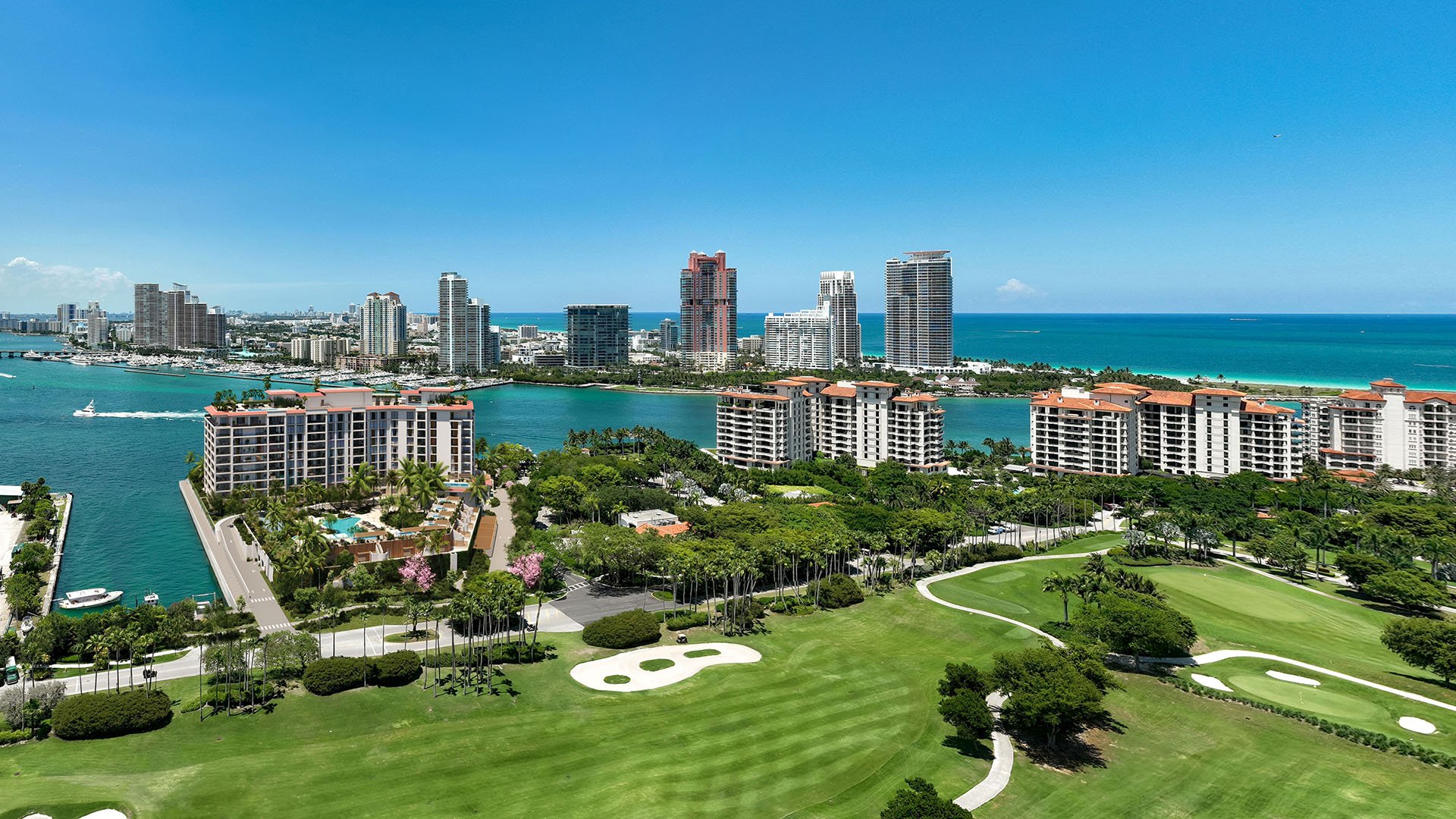
Fisher Island sits at the highest end of South Florida’s private residential conversation because it offers separation without theatricality. It is not the loudest address in Miami. Its appeal is more controlled: waterfront approaches, limited access, established prestige and a residential culture built around discretion. For global families, that privacy can matter as much as the tax thesis.
The smartest conversation begins before a contract is signed. A condominium or estate can be the visible piece of a broader plan, but it is not the plan itself. Buyers coming from Mexico City should treat the real estate decision as one part of a coordinated review involving tax counsel, immigration counsel where relevant, estate planning advisers and a banking team accustomed to cross-border wealth.
The most important distinction is also the easiest to overlook: buying in Florida does not automatically make a buyer a Florida resident for tax purposes. Residency is usually supported by a pattern of conduct. Where a family spends time, where it keeps its principal home, where key financial records point, where vehicles and voter registrations sit where applicable, and where social and professional life is anchored can all become part of the narrative.
For buyers seeking state-income-tax savings, the goal is not merely to own a beautiful residence. The goal is to make the residence credible as a center of life. That requires consistency. A Fisher Island home used only for occasional holidays may be a superb second home, but it may not support the same planning objective as a home integrated into school calendars, business routines, family gatherings and long-term domestic administration.
This is where timing matters. Some buyers purchase first and organize later. More disciplined buyers reverse the order. They study the potential savings, map the evidentiary requirements, then select the property that best supports the pattern they intend to establish.
Fisher Island’s value proposition is not purely financial. The island is attractive because it can make a serious relocation feel less like a compromise. A buyer accustomed to Mexico City’s private clubs, controlled service environments and sophisticated domestic infrastructure may prefer a setting that does not require a reinvention of lifestyle.
That is one reason residential decisions here often focus on privacy, views, staff logistics, guest accommodation and ease of use rather than square footage alone. At The Residences at Six Fisher Island, the conversation naturally turns toward a new-generation interpretation of island living, while buyers considering The Links Estates at Fisher Island may be thinking about a more estate-like expression of privacy and permanence.
The island’s waterfront character is also central. For many families, water views are not decoration. They are part of the emotional case for spending more time in South Florida. The more a residence can absorb daily life, extended family visits and seasonal entertaining, the more credible it becomes as a true home rather than a storage place for capital.
Tax-aware buyers should think like archivists. If a buyer intends to claim Florida as a meaningful home base, the record should be coherent. Travel patterns, residential declarations, professional ties, memberships, banking addresses, medical relationships and household management should not tell conflicting stories.
This does not mean every personal or business connection elsewhere must disappear. Global families are complex. It does mean the facts should support the stated intent. If the objective is to reduce exposure to state income tax by establishing a Florida domicile, the buyer should be prepared to show more than a deed and an interior design invoice.
The cleanest plans tend to start early. Before closing, buyers can decide which documents will be updated, which advisers will coordinate, how much time the family realistically expects to spend in Florida, and whether the selected property can support that calendar. This is one reason pre-purchase conversations for Fisher Island should be as much about process as product.
A tax thesis should never force a poor real estate decision. The home still needs to perform. For a Mexico City family, that may mean secure arrival, generous outdoor space, flexible guest rooms, staff-friendly service routes, wellness amenities and the ability to host without sacrificing privacy.
Buyers should look closely at how the residence lives at different times of year. Is the terrace useful or merely photogenic? Does the plan separate family quarters from entertaining spaces? Can remote work occur without turning the home into an office? Is there enough storage for long stays? Does the building culture feel compatible with a discreet international household?
Fisher Island also offers a range of established luxury references. Palazzo del Sol and Palazzo della Luna are often discussed in the context of refined island condominium living, while the broader Fisher Island condominium conversation continues to carry strong recognition among buyers who track the island’s residential hierarchy.
Some buyers begin with Fisher Island and never look elsewhere. Others compare it with Brickell, Coconut Grove, Miami Beach, Bal Harbour and Surfside to understand whether privacy or urban access matters more. The correct answer is personal. A buyer who wants a walkable financial district lifestyle may feel more aligned with Brickell, while a family prioritizing guarded separation may find Fisher Island more intuitive.
A mainland residence can also play a role in a broader South Florida strategy. For example, The Residences at 1428 Brickell speaks to buyers who want a vertical, design-forward urban base in the financial core. That is a different lifestyle proposition from Fisher Island, not necessarily a lesser one. The tax question can be similar, but the daily experience is entirely different.
This comparison should be honest. If a buyer will spend more time in meetings, restaurants and offices than in a private island environment, a mainland address may be the more functional anchor. If the priority is retreat, control and residential quiet, Fisher Island remains difficult to replicate.
Investment should be approached with restraint. Fisher Island is not a generic condo market. Liquidity, buyer depth, association culture, renovation expectations and the rarity of certain views can all influence exit planning. A trophy address can preserve desirability, but it does not remove the need for careful underwriting.
Buyers should evaluate carrying costs, renovation appetite, building rules, resale positioning and the likely future buyer for the specific residence. A home that is beautiful but overly personalized may require a longer exit. A residence with a more timeless plan and stronger view corridor may appeal to a broader pool of qualified buyers.
The tax angle should be treated as potential efficiency, not as a substitute for disciplined acquisition. The strongest purchases are those that make sense even before the tax benefit is considered. If the residence supports the family’s lifestyle, satisfies privacy requirements and aligns with counsel’s planning framework, the savings become part of a larger, more durable rationale.
Before selecting a Fisher Island residence, buyers should align three conversations. First, personal counsel should clarify what state-income-tax savings may realistically mean for the household. Second, the family should define how it will actually use the home. Third, the real estate team should translate that lifestyle into a property search with clear priorities.
This alignment protects against expensive ambiguity. A buyer who needs a primary residence should not shop like a vacation buyer. A buyer who wants a second home should not overstate a residency narrative. A buyer who plans to transition gradually should understand what that gradual timeline implies.
The best outcomes feel calm because the facts, documents and residence all point in the same direction. For Mexico City buyers, Fisher Island can be a compelling answer. It is simply not an answer that should be treated casually.
Can a Mexico City buyer save state income tax by buying on Fisher Island? Potentially, but ownership alone is not enough. The savings depend on residency facts, income profile and professional tax advice.
Does buying a Florida residence automatically establish domicile? No. Domicile generally depends on intent and supporting conduct, not just a closing statement.
Why is Fisher Island attractive for tax-aware buyers? It offers privacy, prestige and a residential environment that can support longer stays for families seeking a serious South Florida base.
Should tax counsel be involved before or after signing a contract? Before. Early advice can shape timing, documentation and even the type of residence that best supports the plan.
Can a Fisher Island home still be used as a second home? Yes. The key is to be honest about use, because a second-home strategy is different from a domicile strategy.
What documents may matter in a residency plan? Buyers often review addresses, travel patterns, financial records and other personal ties with counsel to create a consistent record.
Is Fisher Island better than Brickell for this strategy? Not universally. Fisher Island emphasizes privacy, while Brickell may better suit buyers who want an urban daily routine.
Should investment returns drive the purchase? They should be considered, but not in isolation. Lifestyle fit, liquidity and long-term ownership costs matter just as much.
Can international families keep ties to Mexico City? Yes. Cross-border lives are common, but the facts should be coordinated carefully if tax residency is part of the plan.
What is the first step for a serious buyer? Assemble advisers, define the intended use of the home and then tour properties that match both lifestyle and planning goals.
To compare the best-fit options with clarity, connect with MILLION.
If branded residences are on your mind — as a home or as an allocation — we would be glad to share what we are seeing, privately.
Begin a quiet conversation