A buyer-oriented MILLION Luxury editorial on what ownership really means for turnkey high-rise residences in 2026, from carrying costs and reserves to staffing, usage patterns, and resale positioning across South Florida.
For affluent buyers, the appeal of a turnkey high-rise residence is clear: the design is resolved, services are integrated, and time is preserved. In 2026, however, the true cost of ownership is shaped less by the initial acquisition than by the ongoing architecture of expenses that follows. Purchase price may be the headline figure, but the day-to-day reality is defined by recurring obligations, optional upgrades, and the premium attached to frictionless living.
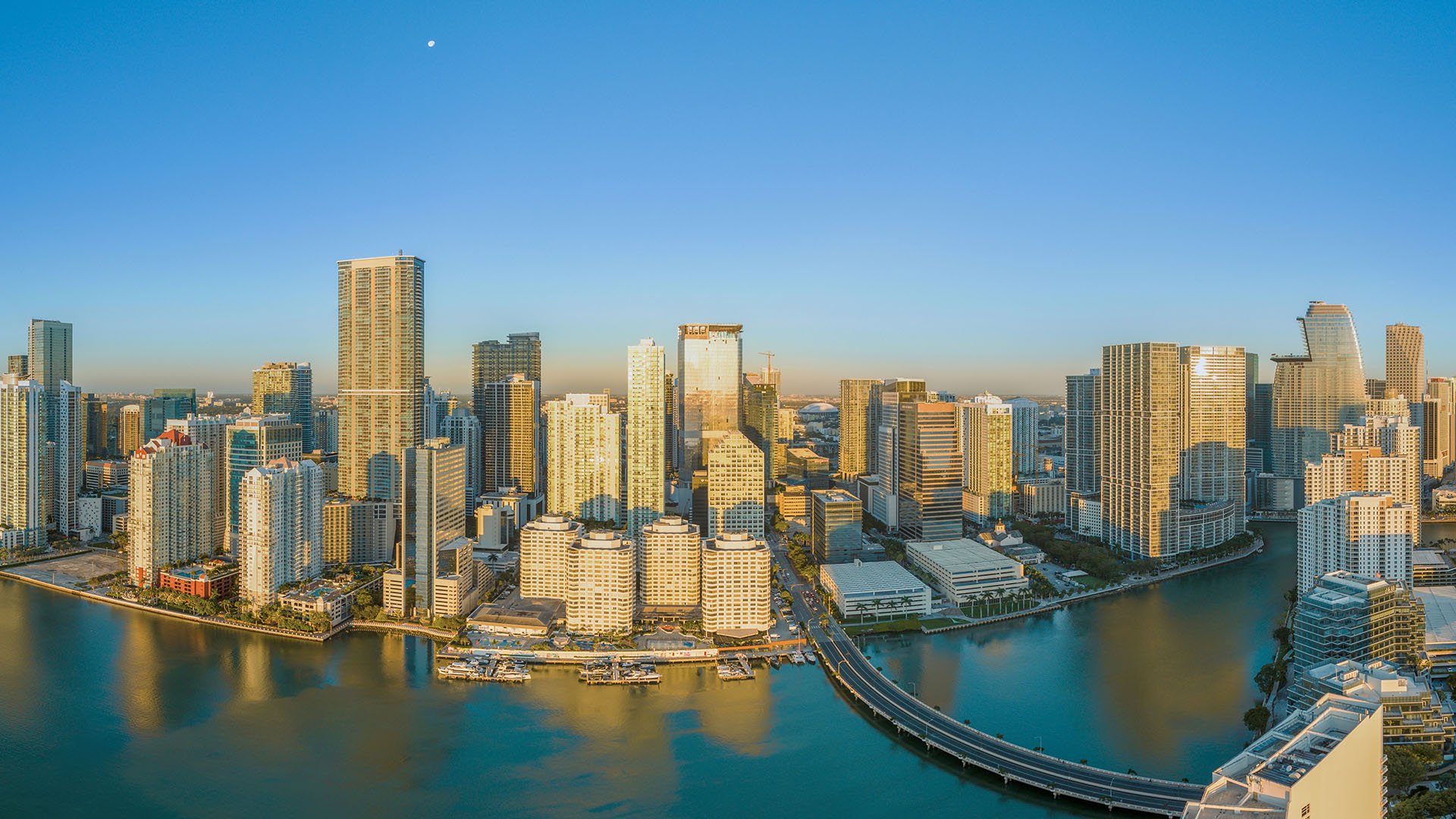
A fully finished residence in Brickell, Miami-beach, or Sunny-isles is often acquired as a convenience play. The buyer is not simply purchasing square footage. They are buying into staffing infrastructure, amenity access, maintenance support, security, and a level of presentation that protects both personal ease and long-term market perception. In that sense, turnkey ownership functions more like a private hospitality product than a conventional apartment.
That is why sophisticated purchasers increasingly underwrite a residence in layers. The first layer is acquisition. The second is annual carrying cost. The third is replacement and refresh, which can arrive quietly but materially over a multi-year hold. The fourth is liquidity: how the building, brand, and fee structure influence future resale demand.
The first layer is straightforward: the contract price, closing costs, and any financing expense if leverage is used. But once the residence is delivered and occupied, a more consequential set of costs takes over.
The second layer is building-level carrying cost. This typically includes common charges, master association dues where applicable, insurance allocations embedded in ownership, valet or parking-related fees, move-in requirements, and special assessments if capital work becomes necessary. In truly service-heavy towers, the convenience premium can be substantial, particularly where wellness, dining, beach operations, or concierge programming sit at the center of the offering.
The third layer is in-residence upkeep. A turnkey home still ages. Upholstery requires attention, climate-control systems must be maintained, stone and wood finishes need specialized care, and smart-home systems may require periodic servicing or replacement. Owners who travel frequently often add house management, plant care, storm preparation, and post-arrival provisioning. The apartment may feel complete on day one, but preserving that standard is an active line item.
The fourth layer is strategic. A buyer should consider whether the tower’s service model expands resale desirability or narrows the future pool of purchasers. In some buildings, high monthly obligations are accepted because the lifestyle is exceptional. In others, fee load becomes a negotiation point, particularly for buyers evaluating a residence as a second home rather than a full-time base.
The modern turnkey premium is typically concentrated in three categories: labor, infrastructure, and consistency. Labor includes front desk staffing, valet, housekeeping coordination, porters, lifestyle management, and security presence. Infrastructure includes pools, spas, fitness facilities, resident lounges, backup systems, parking technology, and private arrival sequences. Consistency is the invisible luxury: the assurance that lighting works, common areas are immaculate, and services feel seamless each time an owner arrives.
This is especially relevant in new-construction and branded environments. A residence at St. Regis® Residences Brickell or The Residences at 1428 Brickell is not evaluated purely by its finishes. Buyers also assess whether the operational platform justifies the long-term carrying cost and whether the building will maintain its polish several years after completion.
In Miami-beach, the equation often extends further. Beach operations, privacy staffing, elevated wellness amenities, and highly choreographed service can meaningfully influence annual ownership cost. That premium is part of the appeal at properties such as The Perigon Miami Beach, where buyers often want a residence that feels immediately usable without a prolonged design or furnishing timeline.
A turnkey residence can be efficient or expensive depending on how often it is used. For a primary resident, the premium attached to service and completion can be rational because it replaces separate household-management costs and reduces daily friction. For a second-home owner, the analysis shifts. The residence may sit empty for extended periods while continuing to accrue common charges, climate-control costs, maintenance visits, and readiness expenses.
That distinction matters in Sunny-isles and other waterfront enclaves where the product is often purchased for seasonal use. Buildings such as Bentley Residences Sunny Isles express luxury through technical ambition and layered service, but buyers should still calculate the cost of low-frequency occupancy. A residence used six to ten weeks each year can carry a very different effective nightly cost than one occupied consistently.
For investors, the calculation becomes even more exacting. Not every luxury high-rise functions well as a pure income vehicle, and the most elegant turnkey product is not always the most efficient from a yield perspective. Owners must weigh rental flexibility, furnishing durability, management demands, and the brand sensitivity of the building. In the upper tier of the market, protecting the residence often takes precedence over maximizing occupancy.
Insurance remains one of the least glamorous but most important ownership variables. Even when a building carries master coverage, individual owners may still face meaningful in-unit insurance obligations, especially for high-value interiors, art, and periods of vacancy. Storm preparation and post-weather inspection can also become recurring practical costs in oceanfront or bayfront settings.
Reserve strength is another critical consideration. A beautiful lobby can conceal a thin long-term capital posture. Buyers should think beyond whether a tower looks pristine today and instead ask how that standard will be funded over time. Strong reserves do not eliminate future assessments, but they can reduce the volatility of ownership.
Then there is replacement-cycle risk. Turnkey residences often include highly curated materials, integrated appliances, custom millwork, and specialized lighting. These details create desirability, but they may also require brand-specific servicing and a more expensive refresh cadence. A residence that appears maintenance-light can, in fact, be precision-dependent.
This is one reason many buyers are gravitating toward buildings where design, operations, and positioning feel aligned from the outset, including Villa Miami in Edgewater and Alba West Palm Beach in West-palm-beach. The question is not only whether a residence is turnkey. It is whether the ownership structure behind that turnkey promise is durable.
For a disciplined purchase decision, buyers should model ownership across three horizons: year one, years two through five, and exit. Year one should include all move-in, outfitting, staffing, parking, insurance, and property-tax assumptions. Years two through five should account for routine wear, preventive servicing, and the possibility that monthly obligations rise as services mature or staffing expands. Exit should consider whether the building’s fee profile feels proportionate to its reputation and whether the unit’s original turnkey package will still read as current when it returns to market.
A useful test is simple: if the residence were used exactly as intended, would the owner feel the ongoing cost is buying back meaningful time, privacy, and certainty? In the best buildings, the answer is yes. In weaker ones, owners eventually realize they paid a premium for initial convenience without securing enduring operational quality.
For buyers in Aventura, Fort-lauderdale, or the waterfront districts of Miami, that distinction is where value lives. The finest turnkey towers are not cheap to own, nor should they be. But when service, reserves, design integrity, and daily ease are in balance, the true cost of ownership begins to look less like overhead and more like curation.
What is the true cost of ownership in a turnkey high-rise residence? It is the combined total of acquisition, monthly carrying costs, in-unit upkeep, insurance, and future refresh or assessment exposure.
Are turnkey residences always more expensive to own than unfinished homes? Usually yes, because buyers are paying for completion, service integration, and a higher standard of ongoing maintenance.
Do monthly association fees tell the whole story? No. They are only one layer, and buyers should also model insurance, staffing, reserves, and replacement-cycle costs.
Why do branded residences often cost more to carry? Their service model is typically deeper, with more staffing, amenity programming, and presentation standards to maintain.
Is a second-home more expensive on an effective basis than a primary residence? Often yes, because the residence may sit vacant while fixed ownership costs continue uninterrupted.
How should buyers think about insurance in 2026? As a core underwriting item, especially for valuable interiors, vacant periods, and waterfront exposure.
Do newer towers reduce maintenance risk? They can reduce near-term repair surprises, but highly customized systems and finishes may still require specialized servicing.
Can high fees hurt resale value? They can if buyers feel the service package does not justify the expense or if comparable options carry less overhead.
What matters more: amenities or reserves? Both matter, but reserves often tell buyers more about how reliably a building can preserve its standard over time.
What is the smartest way to compare two turnkey residences? Compare purchase price, annual carrying cost, service depth, replacement risk, and expected resale appeal as one package.
When you're ready to tour or underwrite the options, connect with MILLION Luxury.
If branded residences are on your mind — as a home or as an allocation — we would be glad to share what we are seeing, privately.
Begin a quiet conversation