A discreet guide for Madrid-based buyers evaluating Surfside and nearby South Florida full-service towers, with emphasis on service culture, privacy, design, ownership use, and long-term fit.
For a Madrid buyer, choosing a full-service tower in South Florida is rarely only a question of views. It is a question of rhythm. The right building should make transatlantic ownership feel composed: arrival without friction, privacy without isolation, amenities without spectacle, and a residence that works whether the owner is in town for two weeks or an entire season.
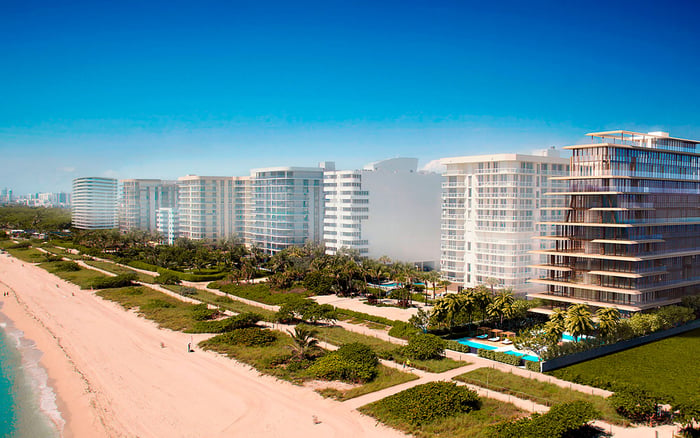
Surfside has a particular appeal in this conversation. It sits within the broader Miami Beach luxury orbit, yet keeps a quieter residential character. Buyers accustomed to Madrid’s layered neighborhoods, private clubs, tailored service, and long lunches often understand Surfside quickly. The measure is not volume. It is discretion.
This guide is designed for the purchaser comparing a full-service tower through the lens of daily life, ownership ease, and long-term elegance rather than impulse.
Full service can mean many things. For one buyer, it is a lobby team that recognizes family members, guests, and preferred routines. For another, it is residential management that can coordinate access, deliveries, housekeeping, maintenance, and seasonal preparation while the owner is abroad.
Before comparing floor plans, define the service standard. Do you want a hotel-like environment with visible hospitality, or a more residential experience where support is present but quiet? Do you expect staff to manage a steady flow of guests, or is the residence primarily for family? Will you arrive with little notice, or will visits be planned around school calendars and holidays?
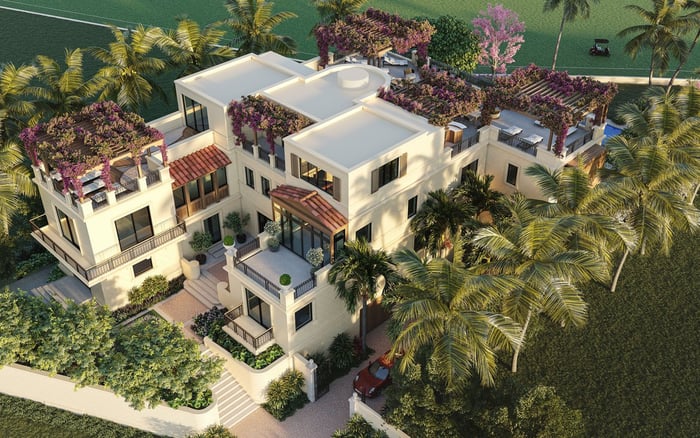
In Surfside, buildings such as Arte Surfside are often considered by buyers who want an intimate, design-forward environment rather than the feeling of a large resort. The more private the building, the more important it becomes to understand staffing style, access protocol, and how the property handles owner requests outside peak season.
Oceanfront ownership is a powerful idea, but the best buyers look beyond the first impression. A terrace and water view matter, yet so do shade, wind, elevator flow, pool culture, beach access, valet efficiency, and the way the building handles transitions from sand to residence.
A Madrid buyer may be accustomed to an urban apartment that functions beautifully because every threshold is considered. The same thinking applies at the beach. Where do children come in after swimming? How are guests received? Is there a graceful route from the garage to the residence? Does the building feel calm on weekends and holidays?
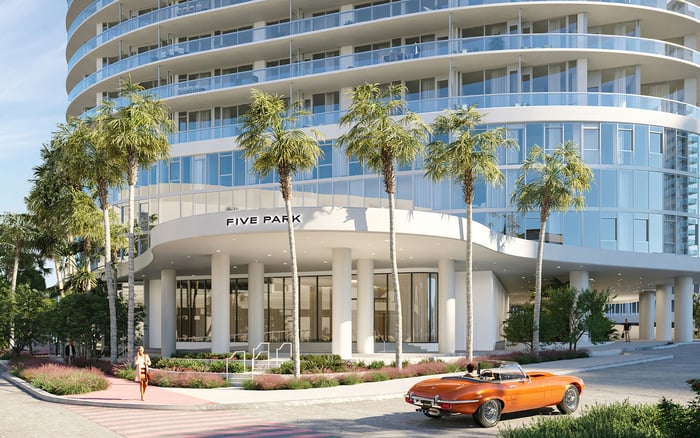
Properties such as Fendi Château Residences Surfside can appeal to buyers who want Surfside’s coastline with a fashion-house design sensibility. The point is not simply the name on the building. It is whether the service, architecture, and common areas support the owner’s private routine.
Branded Residences can provide a familiar hospitality language for international buyers. They may offer an expectation of design coherence, service vocabulary, and recognizable identity. For a buyer traveling between Madrid, Miami, and other global cities, that familiarity can be reassuring.
Still, brand should not replace judgment. Some buyers prefer the operational depth of a hospitality-led address. Others prefer a boutique tower where the atmosphere is more residential and the staff-owner relationship feels personal. The difference is often felt in the lobby, at the pool, and in the way the building manages guests.
Surfside gives buyers room to compare both expressions. The Surf Club Four Seasons Surfside speaks to those drawn to a recognized hospitality context, while newer boutique offerings such as The Delmore Surfside may suit buyers seeking a quieter, highly residential presence. The better choice depends on temperament, not only budget.
Surfside should be understood in relation to its neighbors. Miami Beach offers a broader range of energy, dining, architecture, and social pace. For some buyers, that dynamism is the attraction. For others, it is something to enjoy nearby while keeping home life more controlled.
Bal Harbour has its own identity, often associated with polished luxury and a composed retail and residential environment. A buyer comparing Surfside and Bal Harbour should think carefully about how often they want to walk, dine, shop, host, and retreat. The difference can be subtle on a map but meaningful in daily use.
For those drawn north of Surfside, Rivage Bal Harbour may enter the conversation as part of a broader comparison of privacy, service, and coastal setting. The key is not to choose the most recognizable address, but the address that supports the owner’s real habits.
International ownership is easier when the building is operationally strong. Ask how the residence is maintained when vacant. Clarify package handling, vendor access, insurance expectations, renovation rules, guest registration, pet policies, and the process for preparing the home before arrival.
Also consider how the residence will live across generations. A couple may want serenity, while children or grandchildren may want beach access, dining, and flexible guest space. A full-service tower should absorb those different needs without forcing the owner to manage every detail personally.
The best purchase will feel elegant in two ways: emotionally and administratively. It should be beautiful to arrive at, simple to leave, and dependable in between.
Is Surfside a good fit for buyers relocating from Madrid? Surfside can suit Madrid buyers who want oceanfront living with a quieter, residential atmosphere near the broader Miami luxury corridor.
Should I choose a branded residence or a boutique tower? Choose a branded residence if service identity and hospitality language matter most. Choose boutique if privacy, scale, and residential calm are higher priorities.
What matters most in a full-service tower? Staffing quality, access control, maintenance support, valet flow, amenity management, and owner communication often matter as much as design.
Is oceanfront always the best choice? Oceanfront can be compelling, but the right choice depends on exposure, terrace usability, building operations, privacy, and how often the beach will be used.
How should I compare Surfside with Miami Beach? Compare daily rhythm first. Miami Beach can feel more active, while Surfside often appeals to buyers seeking a more discreet residential base.
Why do buyers also look at Bal Harbour? Bal Harbour offers a polished luxury setting close to Surfside, making it a natural comparison for buyers focused on service, privacy, and refinement.
What should absentee owners ask before purchasing? Ask about vacant-home checks, vendor access, housekeeping coordination, storm procedures, deliveries, and how the residence is prepared before arrival.
Are large towers better than smaller buildings? Not necessarily. Larger buildings may offer more amenities, while smaller buildings may provide a more private atmosphere and closer staff familiarity.
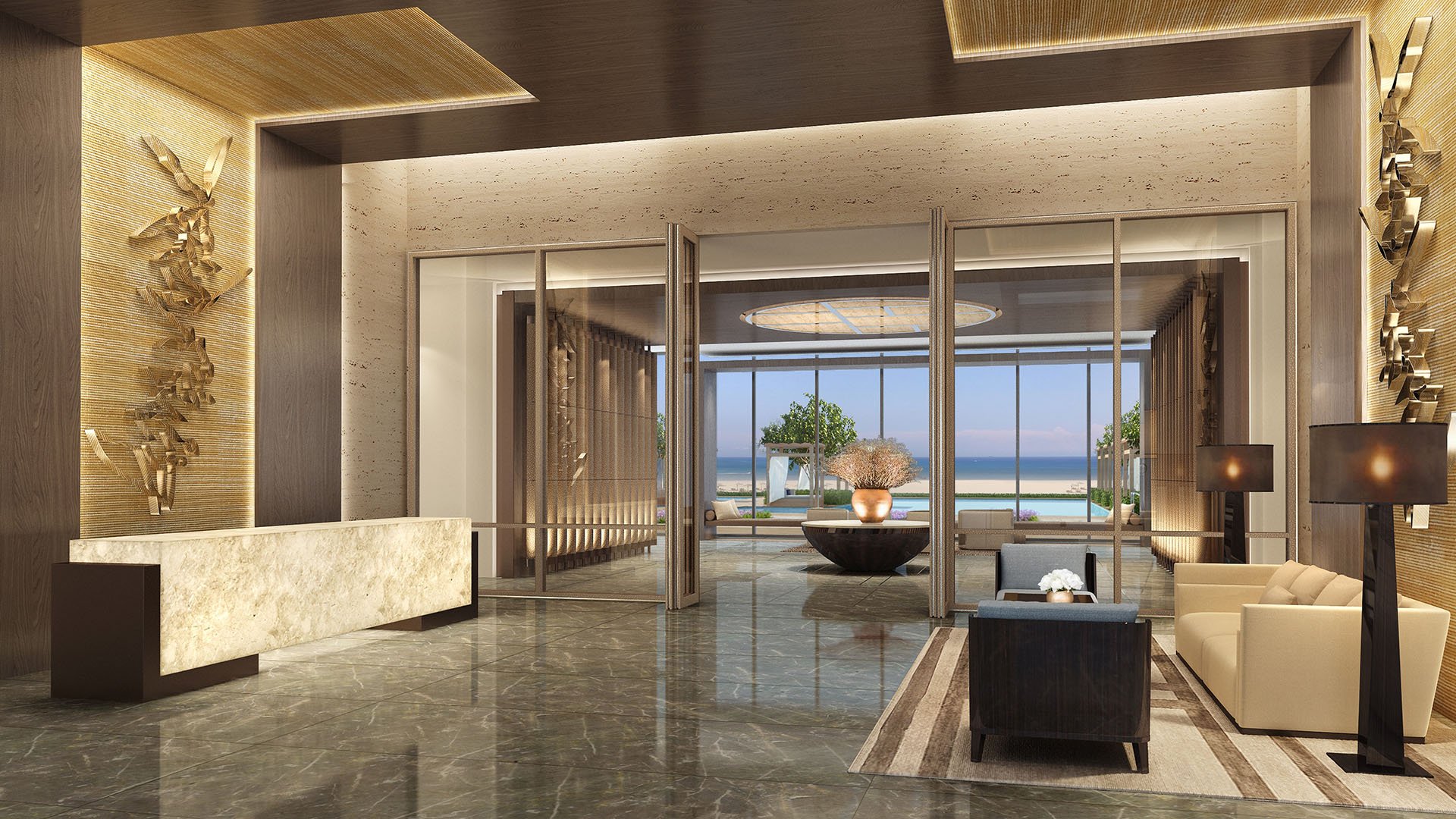
How important is the lobby experience? Very important. The lobby reveals the tone of the building, the guest protocol, and the level of discretion an owner can expect every day.
When should I involve an advisor? Involve an advisor before touring so that service style, ownership needs, and neighborhood fit are clarified before emotions take over.
When you're ready to tour or underwrite the options, connect with MILLION.
If branded residences are on your mind — as a home or as an allocation — we would be glad to share what we are seeing, privately.
Begin a quiet conversation