Miami Beach places buyers nearer an energetic cultural and nightlife environment, while Surfside offers a quieter, design-conscious oceanfront base near those attractions. For collectors, the decisive questions extend beyond lifestyle to loading procedures, service elevators, delivery windows, staging conditions and insurance requirements.
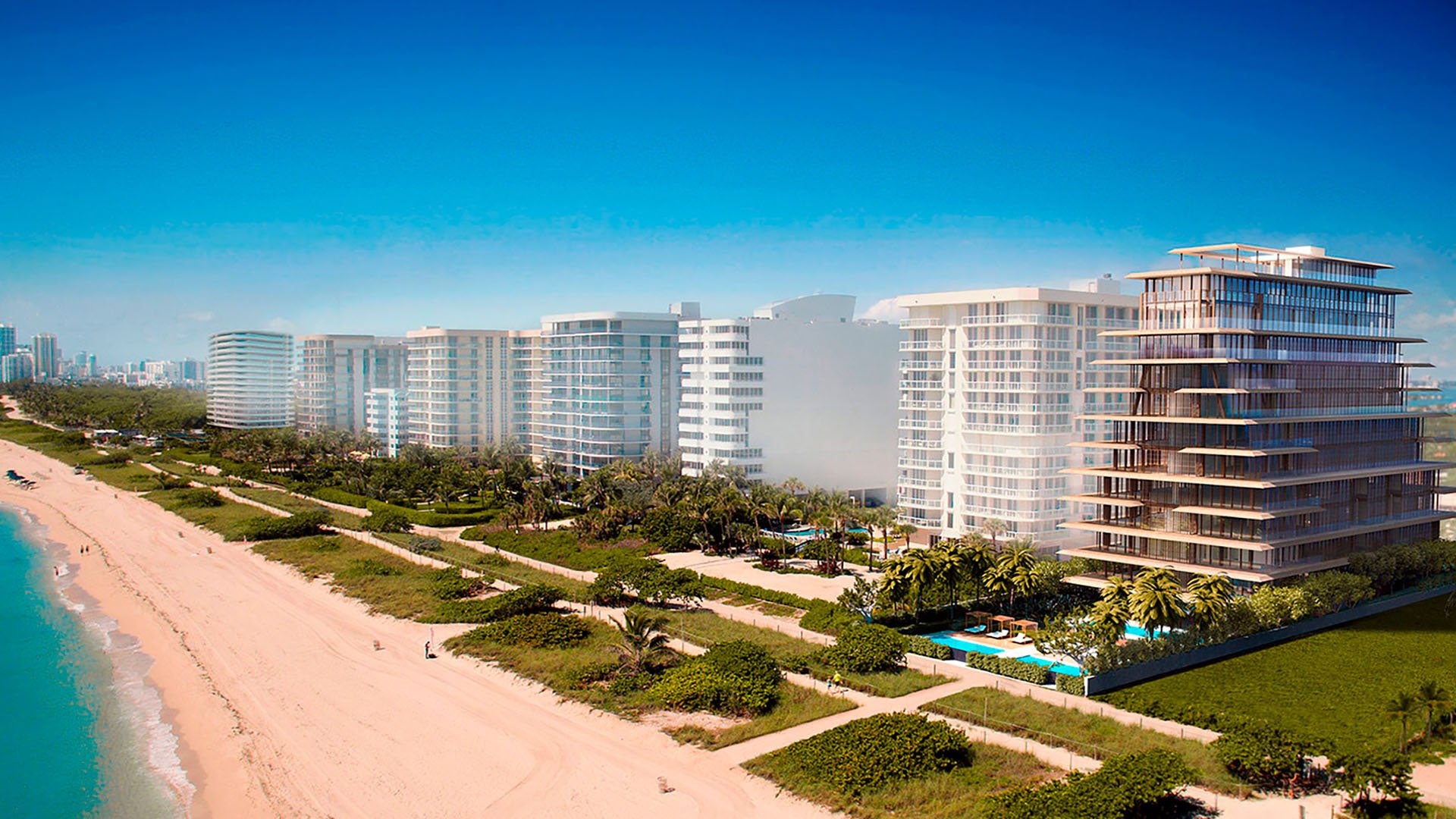
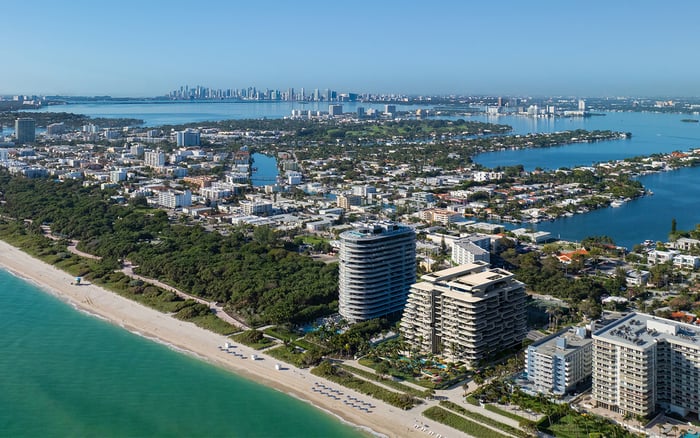
For an art collector choosing between Miami Beach and Surfside, the distinction is less about distance than daily orientation. Miami Beach offers a more energetic environment for an owner who wants cultural activity, hospitality and nightlife close to home. Immediately north of Miami Beach and south of Bal Harbour, Surfside provides a compact oceanfront retreat from which those experiences remain accessible.
That difference shapes more than the social calendar. It influences how a residence feels between events, how often an owner encounters visitor activity and whether privacy or immediacy holds greater value. Neither market is inherently better for collecting. Each supports a different relationship among home, culture and movement.
The strongest choice aligns cultural proximity with the collector’s preferred level of privacy.
A Miami Beach buyer may prefer immersion in a district defined by extensive hospitality and nightlife offerings. For collectors who frequently attend cultural programming, entertain around those occasions or simply value an animated setting, that proximity can become integral to the residence’s appeal.
Surfside presents a quieter proposition. The half-square-mile town has a wide public beach, pedestrian-friendly streets and a walkable downtown centered on Harding Avenue’s boutiques, cafés and restaurants. Its community-oriented atmosphere and comparatively limited mass tourism can suit owners who want culture nearby without living amid the busiest event environment.
The trade-off is nuanced. Miami Beach can reduce the psychological distance between home and the city’s cultural life. Surfside preserves separation, giving a collector a more retreat-like setting while retaining access to Miami Beach, Lincoln Road and other regional amenities. Because traffic can materially affect any journey, proximity should not be interpreted as a guarantee of travel time.
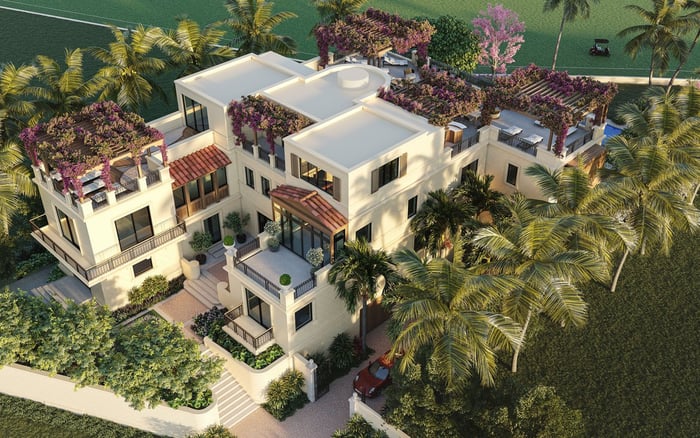
Collectors often assess a home on two levels: the quality of its architecture and the practicality of caring for objects within it. Surfside’s boutique, design-forward residential character can appeal to buyers who prioritize privacy and architectural expression over constant street-level energy. Arte Surfside is one local expression of that positioning, pairing an oceanfront setting with proximity to Bal Harbour Shops, Miami Beach and cultural amenities.
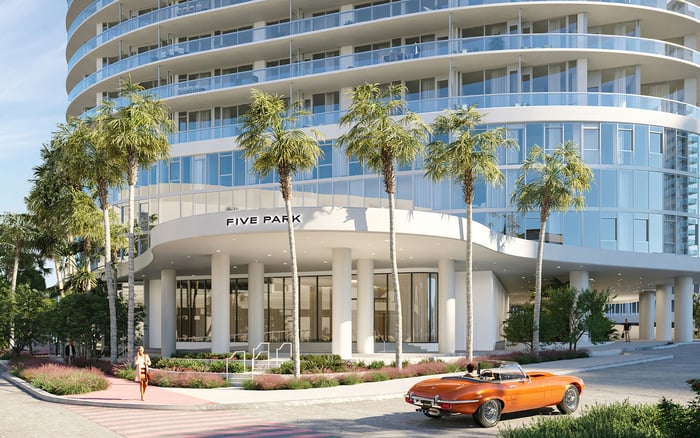
Surfside’s broader condominium landscape also includes Fendi Château Residences Surfside, part of the town’s concentration of high-end oceanfront residences within a family-oriented beach community. These addresses may appeal to a collector seeking a composed domestic backdrop, but branding and aesthetics alone cannot establish whether a particular residence is suitable for a collection.
Buyers should assess wall dimensions, circulation paths, natural-light exposure and environmental controls at the individual-residence level. Neighborhood identity does not determine these conditions. A serene address can offer an elegant setting for living with art, yet the residence’s technical suitability still requires direct inspection by the buyer’s advisers.
The phrase freight access can suggest proximity to an airport, port, storage facility or mainland gallery. Neither market offers a definitive travel-time advantage. Surfside residences provide regional connectivity and access to two international airports, but actual journeys vary substantially with traffic. The same caution applies to trips from Miami Beach.
For valuable or oversized works, the more consequential analysis begins at the property line. Buyers should verify loading rules, approved-vendor protocols, delivery windows, service-elevator dimensions and weight restrictions. They should also determine whether climate-controlled staging is available, how long an object may remain in a service area and what protections apply between the loading point and the residence.
Insurance requirements warrant equal attention. A building may require certificates, advance approvals or specific handling procedures, while a collector’s insurer may impose separate conditions. These operational details can matter more than a modest geographic difference. Even a residence close to cultural activity may complicate installations if its service infrastructure is constrained.
Within Surfside, buyers can choose among distinct expressions of luxury. The Surf Club Four Seasons Surfside combines oceanfront homes with branded hospitality, exclusivity, community and resort-caliber service. About half a mile from Bal Harbour Shops, it places boutiques and fine dining within the surrounding lifestyle sphere while maintaining separation from central Miami Beach.
At another point in the market, The Delmore Surfside is planned as a boutique collection of 37 oceanfront “mansions” in the Surfside, Bal Harbour and Indian Creek area often called the Billionaire’s Triangle. Its limited scale illustrates why Surfside can resonate with buyers seeking a lower-density residential identity.
The town also has practical appeal beyond collecting. Nearby synagogues and kosher dining can matter to observant families, while beach walks, community amenities and Harding Avenue support an everyday lifestyle centered on convenience rather than spectacle. For many buyers, this quieter pattern is not a compromise. It is the principal luxury.
Miami Beach is likely to suit the collector who wants cultural and nightlife activity integrated into daily life. The area’s energetic character can support frequent entertaining and spontaneous participation in programming without requiring the home to serve as a retreat from the city’s social pulse.
This buyer may accept livelier surroundings in exchange for immediacy. The key is distinguishing neighborhood access from building capability. Even in a preferred cultural location, prospective owners should test arrival routes for art handlers, freight procedures and installation logistics before assuming the address can accommodate a collection smoothly.
Miami Beach may also be compelling for a second-home owner whose visits revolve around cultural occasions. By contrast, Surfside can better serve an owner anticipating extended stays, family routines or more private intervals between engagements. These are lifestyle distinctions, not universal rules, and the final choice should reflect actual patterns of use.
Begin with the collection rather than the view. Identify the largest works, the most sensitive materials and any pieces requiring specialist handling. Then map the complete route from vehicle arrival to final placement, noting door clearances, elevator dimensions, turning radii and temporary staging points.
Next, review building operations. Confirm delivery hours, reservation procedures, vendor approvals and staffing expectations. Determine whether policies change during holidays or periods of heavier visitor activity. For acquisitions moving between residences or storage, test likely routes at relevant times rather than relying on generalized estimates.
Finally, compare the desired cultural rhythm. Choose Miami Beach when immediacy and energy are central to ownership. Choose Surfside when privacy, a walkable community and access to nearby culture offer the more persuasive balance. In either case, the best residence will reconcile oceanfront living with the technical discipline serious collecting requires.
The essential divide is clear. Miami Beach places the buyer closer to an animated cultural and hospitality setting. Surfside provides a calmer, design-conscious base near Miami Beach and Bal Harbour, with luxury residences emphasizing oceanfront privacy, boutique scale or branded service. Freight-sensitive owners should resist broad neighborhood assumptions and investigate each building’s physical and procedural realities.
For a discreet assessment of residences aligned with collecting, access and lifestyle priorities, connect with MILLION.
If branded residences are on your mind — as a home or as an allocation — we would be glad to share what we are seeing, privately.
Begin a quiet conversationMiami Beach is the stronger fit for buyers who want cultural activity, hospitality and nightlife more closely integrated into daily life.
Surfside combines a quieter oceanfront setting with design-conscious residences and access to cultural amenities in Miami Beach and nearby areas.
Surfside has pedestrian-friendly streets and a walkable downtown centered on Harding Avenue boutiques, cafés and restaurants.
No definitive neighborhood-level advantage is established. Traffic and each building’s operational rules can materially affect the movement of art.
Buyers should confirm loading rules, delivery windows, service-elevator dimensions, staging conditions, vendor protocols and insurance requirements.
Many Surfside condominiums are approximately half a mile from Bal Harbour Shops, though the exact distance depends on the property.
It combines oceanfront residences with branded hospitality and is positioned around exclusivity, community and resort-caliber service.
It is planned as a boutique collection of 37 oceanfront “mansions” in the Surfside, Bal Harbour and Indian Creek area.
Surfside is promoted for access to two international airports, but traffic can materially change journey times and no duration should be treated as guaranteed.
Surfside generally offers the calmer, community-oriented setting, while Miami Beach better suits buyers seeking a more energetic environment.