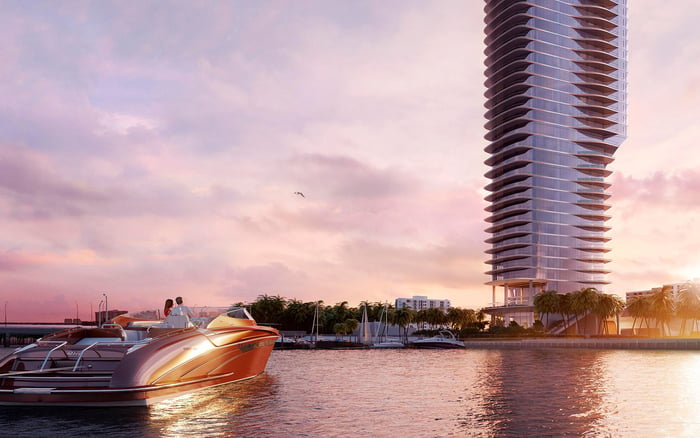
Buyers considering Una Residences Brickell should evaluate whether staffing, access, maintenance, technology, emergency procedures and financial planning support a consistently managed ownership experience.

At Una Residences Brickell, a buyer’s review should extend beyond design and presentation. The purchase decision should also consider whether management, staffing and documented procedures can support reliable daily service.
Operational due diligence is especially important during peak periods, severe weather and extended owner absences. Buyers should seek written evidence rather than rely on broad assurances. Staffing schedules, management contracts, vendor agreements, emergency plans, resident policies and measurable service levels can help reveal how the intended experience would function in practice.
A buyer should request a detailed plan showing how residents, guests, ride-share vehicles, deliveries and valet traffic would be managed. The review should also address how staffing may adjust during busy periods or service disruptions.
Valet operations warrant particular scrutiny. Useful questions cover staffing by shift, vehicle-retrieval standards, overnight procedures, insurance and storm contingencies. The answers should explain both normal operations and the response when demand rises or systems are unavailable.
Elevator planning requires the same discipline. Management should explain how resident and guest use would be coordinated with deliveries, service personnel and move-ins. Buyers comparing Cipriani Residences Brickell can apply the same questions, making the comparison more useful than an amenity count alone.
For every shared amenity presented to a buyer, request written access rules, staffing plans, maintenance routines and closure procedures. The objective is to understand when the space may be used, how it would be supervised and how interruptions would be communicated.
Fitness and wellness areas should be assessed through operating hours, cleaning schedules, equipment-maintenance standards, reservation requirements and any charges outside association dues. Social and event spaces require equally precise policies covering reservations, guest access, catering, deposits, cleanup and noise.
This framework can also sharpen due diligence at St. Regis® Residences Brickell. Consistent questions allow buyers to compare operational design rather than relying on presentation alone.
Any waterfront or boating feature presented during the sales process should be evaluated through the applicable governing documents and written operating policies. Buyers should clarify access, reservation procedures, guest permissions, security coordination, closure authority and reopening communications.
Potential expenses deserve the same attention. Review the proposed association budget for relevant staffing, maintenance, service contracts, insurance and reserve assumptions. Buyers should distinguish between services included in association dues, items carrying separate charges and costs that may change over time.
Remote ownership is a practical test of management depth. A second-home buyer should confirm in writing whether management can coordinate vendor access, maintenance, housekeeping, deliveries, storm preparation and post-storm inspections while the owner is away.
The concierge scope should be documented, including service hours, response standards, vendor coordination and requests that incur additional charges. Resident technology should be demonstrated rather than merely described. Access control, guest authorization, amenity booking, service requests and package notifications all require clear workflows and fallback procedures during outages.
The same checklist can be applied at The Residences at 1428 Brickell. Asking identical questions across several properties can expose meaningful differences in service design.
The strongest operational evidence includes management contracts, staffing schedules, service standards, vendor agreements, emergency plans and written resident policies. Buyers should also examine the proposed association budget, reserve assumptions and insurance structure with qualified advisers.
Where possible, important representations should appear in executed purchase or governing documents. Sales materials may communicate an intended lifestyle, but buyers should verify which commitments are binding and which remain subject to future association or management decisions.
Operational quality can determine whether shared services feel convenient or become sources of delay, restriction and unplanned expense. Friction is reduced through disciplined staffing, clear authority, resilient procedures and transparent costs.
What operational documents should a buyer request first? Request management contracts, staffing schedules, vendor agreements, emergency plans, service standards and written resident policies.
Why does the arrival plan matter? It explains how residents, guests, ride-share vehicles, deliveries and valet traffic would be managed during normal and busy periods.
How should valet service be evaluated? Review staffing by shift, retrieval standards, overnight procedures, insurance and storm contingencies.
What should buyers ask about elevators? Ask how resident and guest use would be coordinated with deliveries, service personnel and move-ins.
Which amenity details should be documented? Confirm access rules, staffing, maintenance procedures, closure protocols and interruption communications.
What requires review in fitness and wellness operations? Verify hours, cleaning, equipment maintenance, staffing, booking rules and charges beyond association dues.
What should event-space rules cover? They should address reservations, guest access, catering, deposits, cleanup and noise management.
What should remote owners confirm? Confirm available support for vendor access, maintenance, housekeeping, deliveries, storm preparation and post-storm inspections.
How should resident technology be tested? Request demonstrations of access, guest authorization, bookings, service requests, package notices and outage procedures.
Which financial items deserve close review? Examine the proposed budget, reserves, staffing model, service contracts, insurance and any waterfront-related expenses.
For a tailored shortlist and next-step guidance, connect with MILLION.
If branded residences are on your mind — as a home or as an allocation — we would be glad to share what we are seeing, privately.
Begin a quiet conversation