A tailored diligence framework for second-home buyers considering Una Residences Brickell, focused on insurance boundaries, local oversight, tax planning, service responsibilities, and closing preparation.

At Una Residences Brickell, a second-home buyer should evaluate more than design, views, and amenities. The residence may be vacant during severe weather, maintenance visits, building notices, or an unexpected interior issue. The diligence process therefore needs to address how the property will be insured, monitored, maintained, and funded when the owner is away.
A primary resident can often notice a leak, climate-control problem, or access issue immediately. An absentee owner instead depends on written procedures, reliable local representatives, and clear authority. Luxury ownership becomes easier when those systems are established before closing rather than assembled after a problem occurs.
A second home should be managed as an asset in continuous operation, even when no one is in residence.
This distinction is useful when comparing Brickell residences, including St. Regis® Residences Brickell and The Residences at 1428 Brickell. The relevant comparison is not amenity language alone. Buyers should also examine insurance boundaries, access rules, service limitations, and the practical demands of maintaining each residence during an extended absence.
The recorded declaration, current offering documents, association budget, rules, insurance summary, and any applicable amendments should anchor the review. Marketing descriptions can help a buyer understand the concept, but they should not replace the documents that define ownership obligations.
Ask condominium counsel and the insurance adviser to reconcile the unit boundaries with the association’s master policy. The review should identify responsibility for interior improvements, built-ins, appliances, personal property, glazing, terraces, and damage that affects more than one residence. The conclusions will help shape the unit-owner policy and the amount reserved for deductibles, exclusions, and uncovered work.
The association budget deserves a parallel review. Confirm current charges, reserve information, pending or approved assessments, master-policy deductibles, and any optional service costs directly from current records. A second-home budget should remain flexible until those items have been verified.
A generic condominium policy may not reflect the way an absentee owner will use the residence. The insurance adviser should understand anticipated occupancy, the expected length of absences, the value of furnishings and installations, and any arrangements for inspections or private management.
Request a side-by-side comparison of the master policy and the proposed unit-owner policy. Review covered property, limits, exclusions, loss-assessment coverage, temporary-living provisions, water-related losses, storm deductibles, and notice requirements. If art, jewelry, wine, custom finishes, or other valuable property will be kept in the residence, disclose those items rather than assuming standard contents coverage will be sufficient.
Occupancy language also needs careful attention. Ask whether extended absence creates inspection, reporting, climate-control, or access obligations. Any supplemental coverage should be coordinated by a qualified adviser around the buyer’s circumstances, ownership structure, and broader risk profile.
Buyers should confirm in writing which services are provided by the condominium and which remain the owner’s responsibility. Questions may include package acceptance, vendor admission, key retention, emergency entry, alarm response, and access to investigate a reported problem. No service should be assumed merely because a property offers hospitality-oriented amenities.
A second-home operating plan should identify one local point of responsibility. That person may coordinate scheduled walkthroughs, housekeeping, vendor access, arrival preparation, storm preparation, and post-event reporting. The written scope should explain who can authorize emergency work, where essential controls are located, and how to contact the owner, insurer, counsel, and approved contractors.
Inspection procedures should be tailored to the residence and the insurer’s requirements. A manager can document climate conditions, visible leaks, plumbing concerns, doors, outdoor areas, and signs of damage. Time-stamped reports and retained records can create accountability while giving the owner a consistent view of the home’s condition.
For a broader Miami comparison, The Residences at Mandarin Oriental, Miami may also be considered. At every property, buyers should distinguish common-area hospitality from private in-residence stewardship.
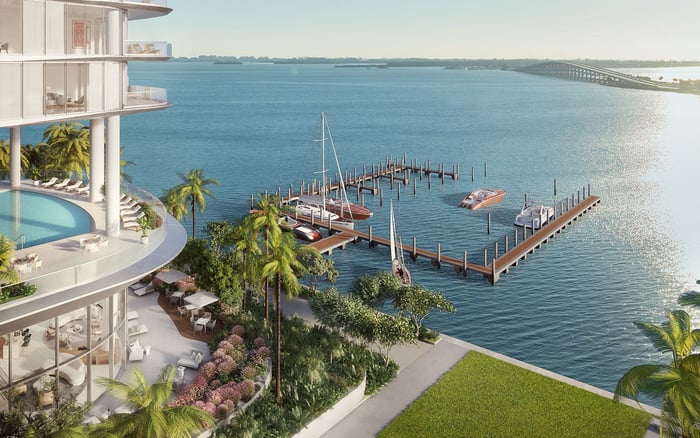
If boating access, a slip, or other marine arrangements are part of the buyer’s intended lifestyle, those matters require separate verification. Confirm availability, eligibility, fees, operating rules, insurance requirements, and transfer or use restrictions from the applicable documents and professionals.
The owner should also establish responsibility for routine vessel care, severe-weather preparation, relocation decisions, haul-out arrangements, and post-event inspection. Condominium coverage, unit-owner coverage, and marine coverage should not be treated as interchangeable. A written chain of authority is particularly important when the owner is traveling and a decision must be made promptly.
A second-home buyer should not build a budget around an exemption or assessment limitation that has not been confirmed. Ownership structure, residency, use, and filing circumstances can affect the analysis, so a Florida tax professional and closing adviser should review the buyer’s position before closing.
The initial model should include property taxes without unverified benefits, association charges, private insurance, residence management, housekeeping, inspections, storm services, repairs, and any optional marine expenses. Buyers should also discuss the implications of personal, trust, or entity ownership with their legal and tax advisers rather than selecting a structure solely for convenience.
This conservative approach creates a more useful carrying-cost estimate. If an adviser later confirms an available benefit, the budget can be adjusted from a documented baseline instead of relying on an assumption.
Before closing, create one coordinated file containing the current condominium documents, association budget, reserve information, master insurance summary, proposed unit-owner policy, occupancy conditions, service permissions, and professional contact details. Record open questions and assign each one to counsel, the insurance adviser, the tax professional, management, or the seller’s representative.
Then appoint the local residence manager, document emergency authority, establish an inspection schedule accepted by the insurer, and prepare arrival, departure, storm, and post-event procedures. If marine use is relevant, add the applicable agreements, insurance contacts, service providers, and decision-making authority to the same file.
The objective is not to complicate ownership. It is to resolve responsibility before the residence is left vacant, a vendor needs access, or an urgent decision arises. A coordinated checklist gives the buyer a clearer understanding of obligations and supports a more composed second-home experience.
For discreet guidance on evaluating Una and other exceptional South Florida residences, connect with MILLION.
If branded residences are on your mind — as a home or as an allocation — we would be glad to share what we are seeing, privately.
Begin a quiet conversationExtended absences can change inspection, access, and reporting needs. The policy review should reflect how the buyer will actually use and monitor the residence.
Buyers should not assume that it does. Counsel and the insurance adviser should compare unit boundaries, covered property, exclusions, and deductibles.
The review should address limits, exclusions, storm deductibles, loss-assessment coverage, temporary-living provisions, valuable property, and occupancy conditions.
Not unless the written service scope supports that conclusion. Buyers should verify package, key, vendor, emergency-entry, and in-residence responsibilities.
The role may include walkthroughs, housekeeping coordination, vendor access, arrival preparation, storm preparation, and post-event reporting.
Use a consistent checklist with time-stamped reports and retained records. The schedule and scope should also satisfy any applicable insurance requirements.
They should confirm availability, eligibility, fees, rules, insurance requirements, and use restrictions through the applicable documents and advisers.
The initial budget should avoid relying on unverified exemptions or assessment limitations. A Florida tax professional should review the buyer’s circumstances.
The review should prioritize the recorded declaration, current offering documents, association budget, rules, amendments, reserve information, and insurance summary.
Include condominium records, insurance documents, occupancy conditions, service permissions, emergency authority, inspection procedures, and professional contacts.