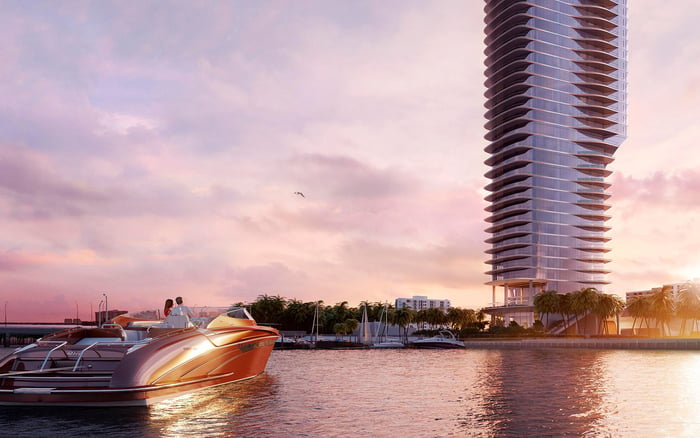
Buyers evaluating Una Residences Brickell for frequent entertaining should verify how amenity reservations work in practice, including availability, guest access, fees, vendors, marina use, and the authority governing each policy.
For buyers who entertain, evaluating Una Residences Brickell requires more than reviewing a presentation of shared spaces. The practical issue is whether a desired setting may be reserved on the right date, for the intended gathering, under terms that fit the owner's plans.
An amenity's presence does not by itself establish private-event rights. Buyers should avoid assuming that ordinary resident access includes authority to reserve a space exclusively, invite a particular number of guests, use outside vendors, or extend an event beyond standard operating hours.
Shared access and private reservations should be reviewed as distinct arrangements. A space might remain open to all residents during a gathering, while another might permit exclusive use subject to written conditions. Those conditions may address advance notice, scheduling, event duration, guests, fees, deposits, staffing, cleaning, noise, deliveries, alcohol, décor, insurance, or vendors.
None of those terms should be presumed for Una without current documentation. Buyers should request written answers for every space they expect to use rather than relying on a general description of the amenity program.
An entertaining-focused review should identify the documents and decision-makers that govern reservations. Ask for the current declaration, amenity rules, management materials, reservation agreement, and fee schedule if those materials are available. Also confirm which version applies and whether any guidance provided during a presentation is preliminary or binding.
For each relevant amenity, ask:
Written responses allow a buyer to distinguish a dependable reservation process from an informal expectation.
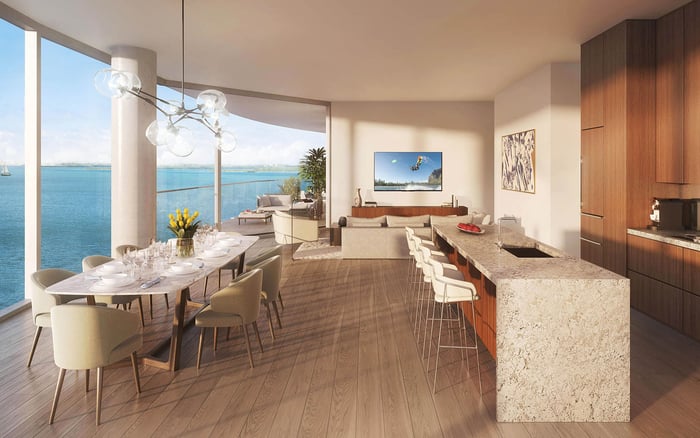
Instead of asking whether a building is suitable for entertaining in general, describe the gatherings you actually expect to host. A seated dinner may require setup time, food service, vendor access, cleanup, and a defined closing time. A casual lounge gathering may depend more on guest permissions, food-and-beverage rules, and whether the room remains shared.
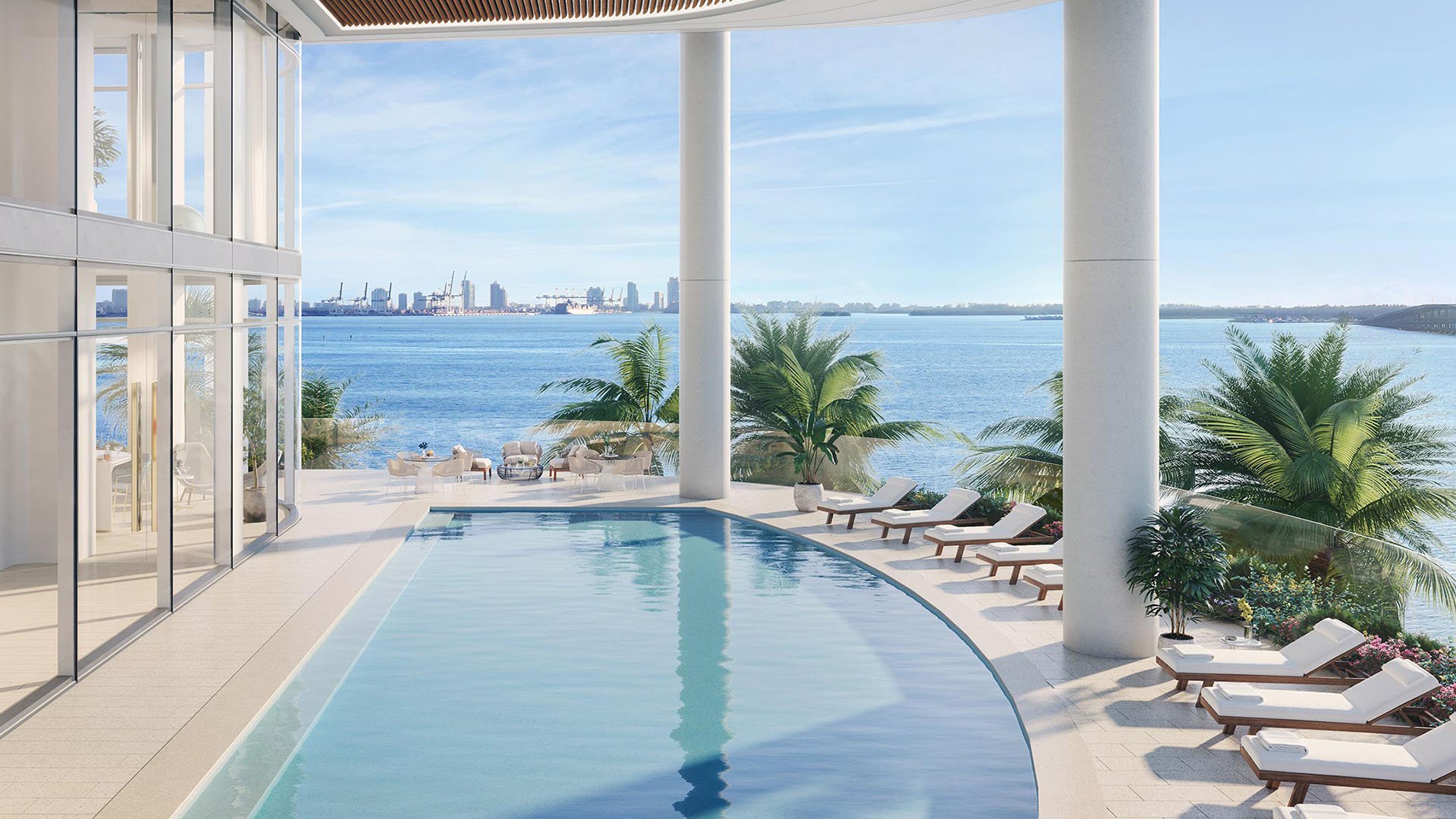
Pool-related plans require a separate review. Ask whether guests may enter the relevant area, whether any adjacent social space can be booked, and whether a reservation affects access for other residents. Do not infer private-use rights from images or broad amenity descriptions.
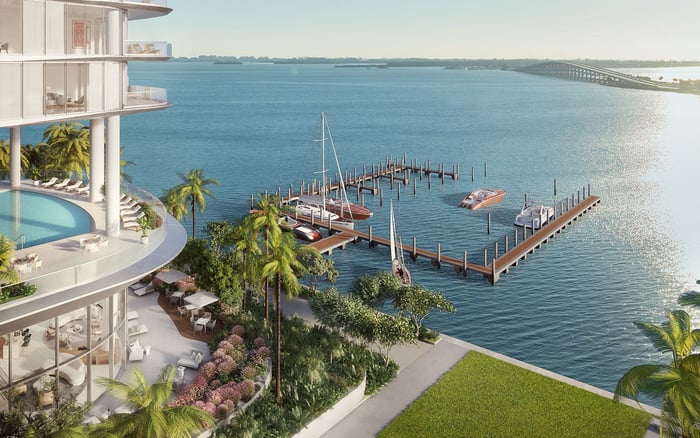
Marina or dock-related plans also require their own written analysis. Buyers should determine whether any access, slip, docking, guest-arrival, or service-provider arrangement applies to the residence under consideration. No allocation or usage right should be assumed without the controlling documents.
The same review can be applied when considering Cipriani Residences Brickell, St. Regis® Residences Brickell, and The Residences at 1428 Brickell. Use identical event scenarios and document requests for each property so the comparison focuses on practical usability rather than presentation alone.
A visually impressive space may not fit a buyer's routine if its reservation terms conflict with preferred guest counts, vendors, timing, or event frequency. Conversely, a more modest setting may work well if its written procedures align with how the owner entertains.
Buyers should ask who currently establishes the operating rules, who administers reservations, and how amendments are made. If a policy may change before or after closing, the buyer should understand what is fixed in the governing documents and what remains subject to management or association decisions.
The central due-diligence question is straightforward: not merely what spaces are shown, but what an owner is permitted to do, under which written terms, and with what continuing certainty.
Can every amenity at Una be reserved privately? That is not established here. Buyers should verify reservation rights for each space in current written documents.
Is ordinary amenity access the same as exclusive use? No assumption should be made that shared access includes exclusive-use rights. The applicable policy should distinguish the two.
Are booking windows confirmed? No specific booking window is confirmed. Request the current reservation procedures before planning an event.
Should buyers expect reservation fees or deposits? No specific fee or deposit is confirmed. Ask for the current fee schedule and all potential staffing or cleaning charges.
Can owners use outside caterers or private chefs? Vendor permissions are not established here. Confirm approvals, insurance, delivery access, setup, and cleanup requirements in writing.
Can a pool area be reserved for a private gathering? Private pool reservations are not confirmed. Buyers should ask separately about guest access and any reservable adjacent space.
Does ownership include a marina slip or docking right? No marina allocation is established here. Review the documents applicable to the specific residence and any separate arrangement.
How should buyers evaluate holiday availability? Ask how peak dates and competing requests are handled. Any priority system or booking limit should be documented.
Can operating rules change? Buyers should determine who can amend the rules and which provisions, if any, are fixed in governing documents.
Which materials should buyers request? Request the current governing documents, amenity rules, management materials, reservation agreement, and fee schedule when available.
For a confidential assessment and a building-by-building shortlist, connect with MILLION.
If branded residences are on your mind — as a home or as an allocation — we would be glad to share what we are seeing, privately.
Begin a quiet conversation