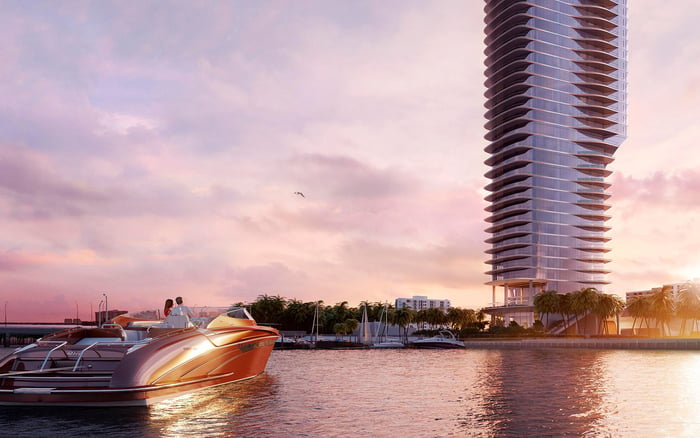
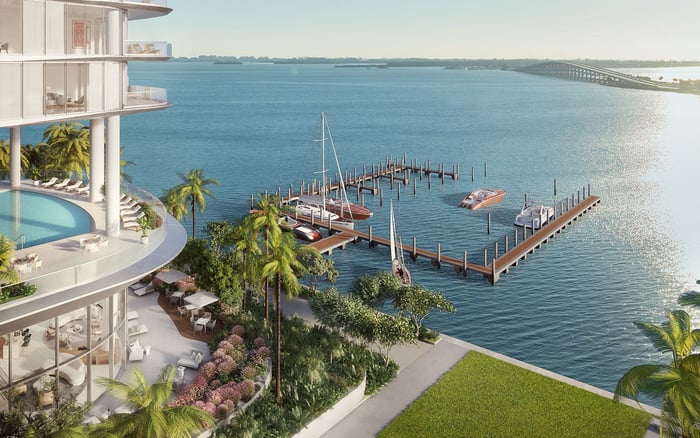
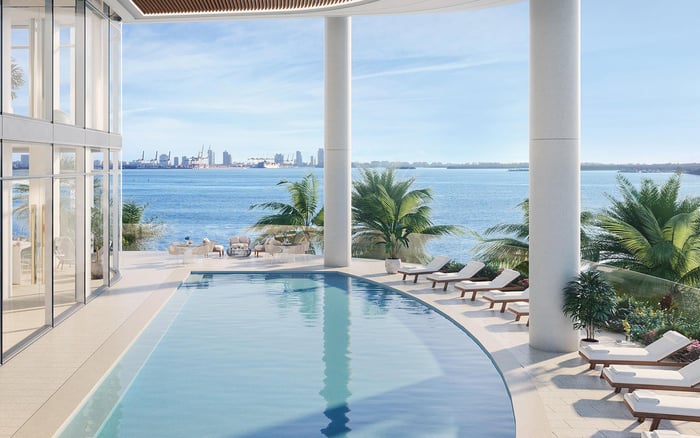
A collector-focused comparison of three Miami residences, emphasizing display architecture, conservation, security, logistics, service and disciplined 2026 due diligence.
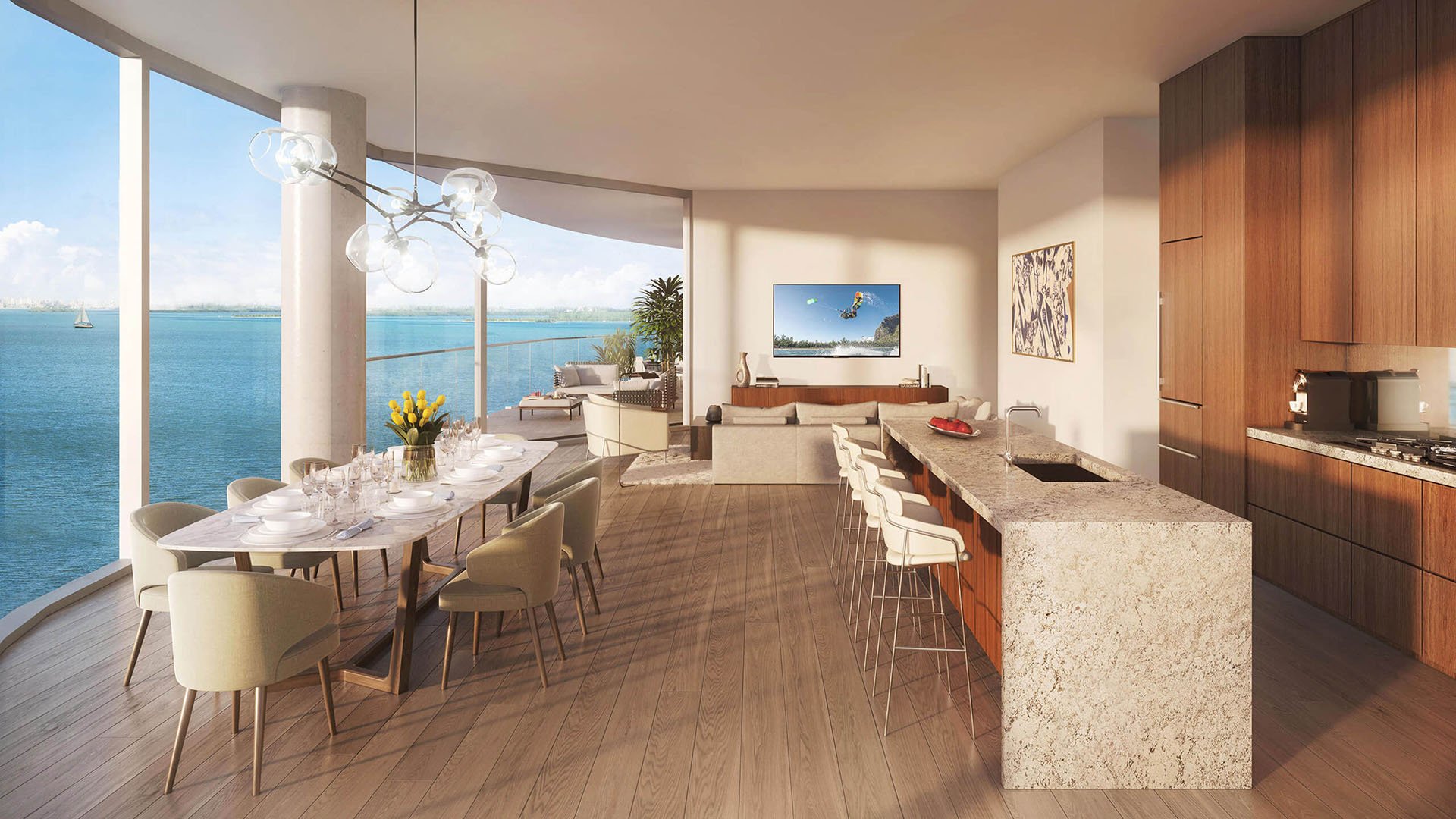
Art-collector living requires more than uninterrupted walls. A serious residence must reconcile visual calm with conservation, discretion with access, and hospitality with the practical movement of valuable objects. In Miami, those demands become especially consequential where sunlight, humidity, waterfront exposure and active building operations converge.
This comparison considers three prominent choices in and around Brickell. The Residences at Mandarin Oriental, Miami brings a hospitality-led proposition to the Brickell and Brickell Key waterfront market. Una Residences Brickell offers a design-led waterfront alternative for buyers who regard art as both an asset and a daily presence. Viceroy Brickell belongs in the same purchasing conversation, though collectors should confirm its current specifications, policies and operating details before drawing conclusions.
The governing principle is simple: purchase the residence and its operating environment together. Architecture determines what can be displayed. Management determines whether a collection can be received, protected and maintained without unnecessary risk.
The Residences at Mandarin Oriental, Miami is positioned for buyers who value resort-grade hospitality, design-conscious interiors and a private residential setting. Its brand and service model are central to the proposition, particularly for owners who divide their time among several homes and expect consistent oversight while away.
Collectors should examine how that service culture translates into procedure. Ask who approves specialist movers, how deliveries are scheduled, where crates may pause, how elevators are protected and whether staff can coordinate with a conservator or registrar. Brand recognition may offer reassurance, but collection stewardship depends on written protocols and accountable personnel.
The interior review should be equally exacting. Study glazing, natural-light paths, ceiling planes, wall construction, electrical locations and the relationship between primary rooms and terraces. A beautiful view can introduce ultraviolet exposure and glare, while expansive glass can reduce usable display surfaces. Confirm that shading, lighting and climate systems can support the works intended for each room rather than assuming luxury specifications meet museum standards.
Una Residences Brickell is relevant to collectors seeking an ultra-luxury waterfront home within Brickell’s expanding residential and cultural ecosystem. Its architecture and interiors warrant evaluation not only for appearance, but also for placement, preservation and compatibility with the owner’s private-museum ambitions.
At Una, floors, walls, circulation routes and potential storage arrangements should carry as much weight as conventional amenities. Sculpture buyers should address floor-loading questions with qualified professionals. Collectors of large-format works should measure every threshold from the loading point to the final installation location. For delicate pieces, investigate whether the residence permits stable environmental settings across seasons and occupancy patterns.
The operating model matters as much as the plan. Dependable building management can reduce friction around deliveries, contractor access, security and emergency communication. Buyers should request current rules and test them against realistic scenarios, including the arrival of a large crate, an after-hours conservation issue or a temporary deinstallation before severe weather.
Viceroy Brickell demands the same disciplined framework, without assumptions based on a name, rendering or general category. Buyers should obtain current plans, finish schedules, building rules, insurance requirements, service descriptions and delivery procedures. Any representations concerning climate performance, storage, security or specialist handling should be documented.
This discipline is especially important within branded residences, where the lifestyle promise can dominate the early sales conversation. For an art owner, the decisive question is how service functions behind the scenes. Identify who controls access, who records vendor arrivals, what happens when an object cannot fit in a standard elevator and whether alterations for lighting or reinforcement require approval.
The broader Brickell market offers abundant visual drama, but the best unit for a collector may not be the one with the most glass or the highest exposure. It is the residence whose design, architecture, operational discipline and privacy align with the collection’s actual medium, scale and value.
Begin with a room-by-room inventory. Map intended works against wall dimensions, daylight, viewing distance, circulation and furniture. Note how sunlight moves throughout the day and where reflected light may affect photography, works on paper or screens. Confirm the feasibility of blinds, films and dedicated art lighting before committing to a plan.
Then examine environmental control. Request information about HVAC zoning, humidity management, filtration, backup power and monitoring options. The available project information does not establish museum-grade controls, private art vaults or specialized handling at these residences. Buyers who require those capabilities should commission an independent technical review and obtain written confirmation of what the building and unit can support.
Security should be layered rather than conspicuous. Review visitor screening, camera coverage along shared routes, key and credential management, staff access, alarm integration and incident response. Discuss confidentiality with insurers, installers and household staff. The objective is not to advertise protection, but to establish a documented chain of custody from arrival through installation.
A collector’s due diligence meeting should include sales, property management and the buyer’s own specialists. Bring a conservator, art installer, architect, lighting designer, insurer or security adviser as appropriate. Their questions often reveal constraints that a conventional inspection may miss.
Request current information on availability, asking prices, completion schedules, fees and operating policies, all of which may change during 2026. Physical characteristics, brand profile and operating structure are more durable points of comparison than a momentary price sheet. Contract review should also address renovation permissions, delivery hours, contractor insurance, storage limitations and responsibility for damage in common areas.
Finally, consider absence management. A second home containing significant works requires temperature alerts, emergency contacts, access authority and a response plan. Hospitality can be valuable here, provided responsibilities are clear and the building’s role complements, rather than replaces, the owner’s professional collection management.
Mandarin Oriental may hold the strongest appeal for a buyer prioritizing a recognized hospitality model and design-conscious private living. Una merits close attention from a buyer placing waterfront architecture, circulation and collection integration at the center of the decision. Viceroy warrants a document-led assessment of what is currently offered and contractually supported.
None should be selected on wall space alone. The right answer emerges from the collection itself: its sensitivity to light and climate, the scale of incoming works, the frequency of rotation, the owner’s travel habits and the level of operational support required. In 2026, the most sophisticated purchase protects both the pleasure of living with art and the responsibility of preserving it.
Which residence is best for a hospitality-focused collector? Mandarin Oriental is the clearest starting point because its brand and service model are central to its residential positioning.
Is expansive glazing always desirable for art display? No. Glass can reduce wall area while increasing light exposure, glare and heat-management demands.
Does Una suit buyers with large-scale works? It may, but buyers should verify floors, walls, thresholds, elevators and circulation routes against specific pieces.
Are museum-grade controls confirmed at these projects? No such capabilities are established here. Buyers should commission a technical review and secure written confirmation.
What should be verified at Viceroy Brickell? Confirm current plans, finishes, services, building rules, security procedures and artwork-delivery policies directly.
Why does building management matter to a collector? Management controls access, deliveries, vendor coordination and responses to operational emergencies.
Should a buyer involve an art installer before closing? Yes. An installer can assess access routes, mounting conditions, equipment needs and installation constraints.
How should a second-home owner protect a collection? Establish remote environmental alerts, named emergency contacts, access authority and a documented response plan.
What 2026 commercial details require fresh confirmation? Verify availability, asking prices, completion schedules, fees and operating policies before contracting.
What is the most important comparison criterion? Choose the residence whose architecture and operations suit the collection’s medium, scale, sensitivity and rotation.
For a discreet conversation and a curated building-by-building shortlist, connect with MILLION.
If branded residences are on your mind — as a home or as an allocation — we would be glad to share what we are seeing, privately.
Begin a quiet conversation