For Los Angeles buyers relocating to Brickell, Florida residency is best supported by a coordinated record trail: home, time, licenses, voter registration, tax address, business filings, and homestead timing.
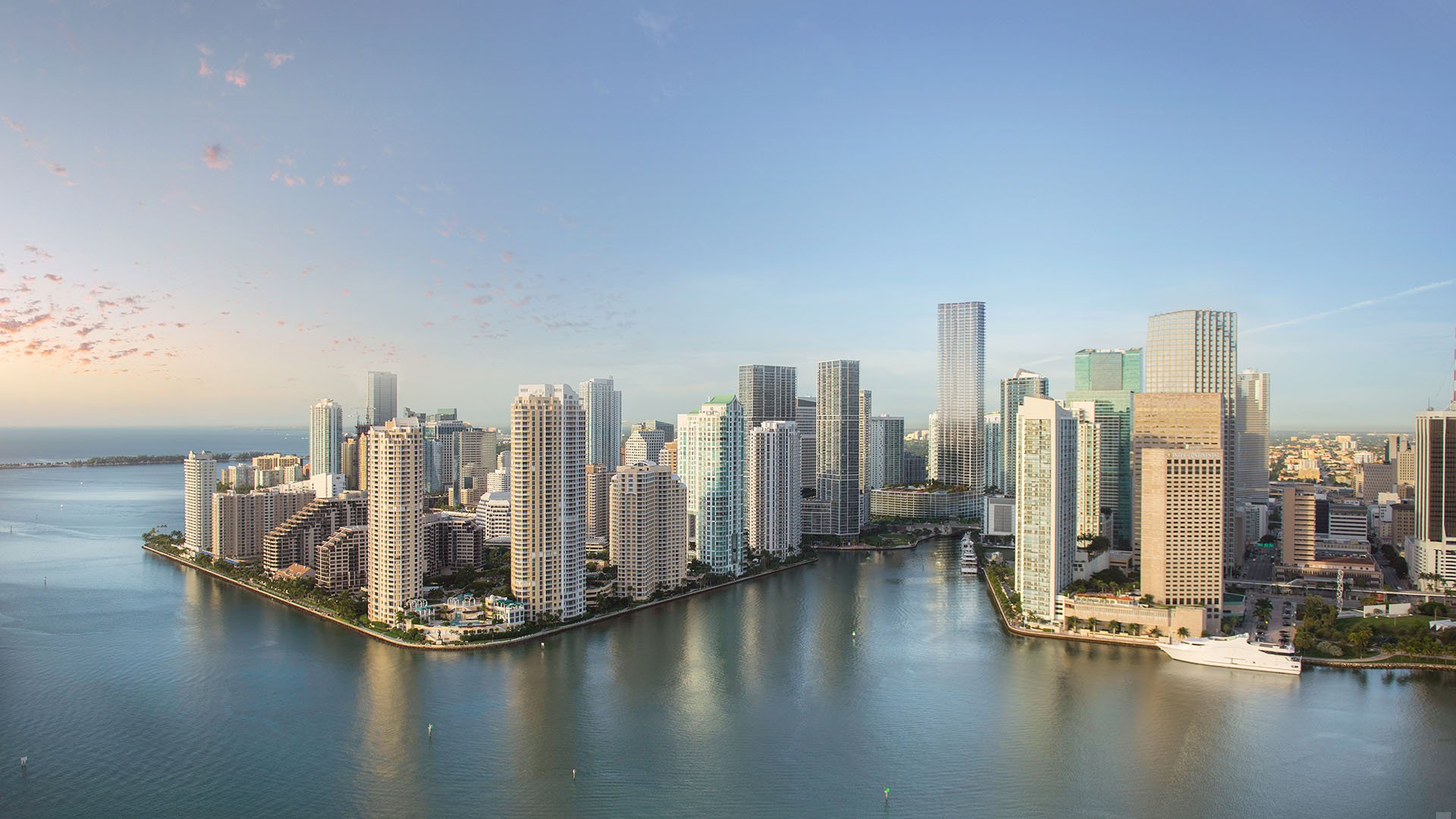
For many high-income buyers, the move from Los Angeles to Brickell is not merely a change of skyline. It is a change in daily life, financial architecture and documented intent. Florida does not impose a personal income tax, which makes the paper trail behind a Florida residency claim especially important for affluent movers leaving California.
California’s residency framework is fact-specific. A person may be treated as a California resident if they are in California for a purpose that is not temporary or transitory, or if they remain domiciled in California while outside the state for only a temporary or transitory purpose. Residents are taxed on income from all sources, while nonresidents are taxed only on California-source income. Part-year residents are taxed on all income received while residents, plus California-source income received while nonresidents.
The practical point is direct: a Brickell deed is powerful, but it is not the entire story. The stronger narrative is built through consistent records showing where the buyer lives, votes, drives, banks, receives mail, keeps vehicles, manages business interests and spends time.
California does not rely only on where a taxpayer says they live. The analysis weighs closest connections, including time spent inside and outside California, the location of a principal residence, driver’s license, voter registration, vehicle registration, bank accounts and business interests.
That makes day-count evidence a core part of the file. A Los Angeles owner moving into The Residences at 1428 Brickell, for example, should treat calendars, flight records, credit-card activity and similar travel records as part of the residency architecture. The goal is not theatrical paperwork. It is coherence.
Housing records carry the same weight. A California home sale, lease termination or reduction of California property ties can support the Florida domicile narrative because residential property ownership and use are relevant factors. If a Los Angeles residence remains available, the broader record should be reviewed with tax counsel so the Florida story is not weakened by continuing California connections.
Florida law allows a person to file a sworn Declaration of Domicile stating that they reside in Florida, maintain a place of abode in Florida and intend Florida to be their permanent home. Miami-Dade County provides a recording process for that declaration, which is especially relevant for buyers using a Brickell residence as their Florida home.
New Florida residents who drive must obtain a Florida driver license within 30 days of establishing residency. Florida’s new-resident guidance also addresses vehicle title and registration steps, which can align automotive records with the claimed domicile. Voter registration can also be part of the file, provided the person meets Florida residence, citizenship and other eligibility requirements.
For buyers choosing St. Regis® Residences Brickell or Baccarat Residences Brickell, the sequence matters. Closing, moving, changing licenses, registering vehicles, updating voter records and changing tax mailing addresses should not feel like isolated tasks. They should read as one coordinated relocation.
Form 8822 is used to notify the federal tax authority of a change in home mailing address. For a relocating buyer, that filing can become another record consistent with a Florida move. Business owners should also review entity records. Florida annual reports can include business address and registered-agent information, and annual reports are due between January 1 and May 1, with a late fee after May 1. When appropriate, business-record alignment should be calendarized after relocation.
Miami-Dade’s homestead exemption generally requires legal or beneficial title to the property and use of the property as a permanent residence as of January 1. The filing deadline is March 1. Buyers closing near year-end or early in the year should be especially attentive to timing, because the eligibility date and filing deadline can arrive quickly.
Florida’s constitutional homestead protection can exempt a qualifying homestead from forced sale, subject to exceptions such as taxes, purchase or improvement obligations and certain labor liens. Florida also has no estate tax due for decedents who died on or after January 1, 2005, which can be relevant to broader estate-planning conversations for wealthy movers.
A buyer at 2200 Brickell may think of homestead as a property tax benefit, but the more refined view is broader. Homestead is also a marker of permanence. It should be considered alongside estate documents, insurance, mailing addresses, household logistics and personal calendars.
The most persuasive residency files are not built in a week. They emerge from how a person actually lives. If Florida is the permanent home, records should increasingly point to Florida as the center of gravity. That includes physicians, clubs, charitable activity, banking relationships and the location from which executives and founders manage key decisions, where applicable.
New-construction buyers often face a distinct challenge: the contract may precede occupancy by months or longer. A pre-completion purchase in Brickell can still be part of a relocation strategy, but interim housing, travel records and California ties should be managed carefully. A buyer considering ORA by Casa Tua Brickell may want a temporary Miami base while the permanent residence is delivered, so the record trail reflects real presence rather than future intent alone.
For investment-minded buyers, the distinction between a Florida home and a Florida asset is crucial. A condominium can be a residence, a second home or an investment property. Residency depends on the surrounding facts. Brickell offers compelling architecture and access, but documentation determines whether the move reads as permanent.
Before closing, buyers should coordinate real estate counsel, tax counsel and estate counsel. The conversation should address California departure records, Florida domicile documents, driver license timing, vehicle registration, voter eligibility, homestead planning, address changes, business filings and the buyer’s expected travel pattern.
A polished relocation plan respects both sides of the move. It reduces California ties where appropriate and strengthens Florida ties through official records and lived behavior. In the luxury market, discretion matters, but consistency matters more.
Does buying in Brickell automatically make me a Florida resident? No. A Florida purchase helps, but residency depends on the broader pattern of facts and records.
Why does California still matter after I move? California can examine whether the move is permanent or merely temporary, especially for high-income taxpayers with continuing California ties.
What records best support a Florida move? Useful records include travel calendars, flight history, credit-card activity, license changes, vehicle registration, voter registration and address updates.
Should I file a Declaration of Domicile in Miami-Dade? Many buyers do because it is a sworn statement of Florida residence and permanent intent, but it should be part of a larger file.
When do I need a Florida driver license? New Florida residents who drive must obtain a Florida driver license within 30 days of establishing residency.
Does vehicle registration matter? Yes. Vehicle title and registration records can support the claim that Florida has become the buyer’s principal home base.
How does homestead timing work in Miami-Dade? The property generally must be the permanent residence as of January 1, and the filing deadline is March 1.
Can I keep my Los Angeles home? Possibly, but continuing California property ties should be reviewed because residential property location is part of the residency analysis.
Do business records need to change too? They may. Business addresses and registered-agent information should be consistent with the overall residency story when appropriate.
Is Florida estate planning part of the move? It should be discussed, especially because Florida has no estate tax due for decedents who died on or after January 1, 2005.
If you'd like a private walkthrough and a curated shortlist, connect with MILLION.
If branded residences are on your mind — as a home or as an allocation — we would be glad to share what we are seeing, privately.
Begin a quiet conversation