A discreet guide for Los Angeles buyers weighing a Boca Raton seasonal pied-à-terre, with emphasis on tax posture, lock-and-leave operations, micro-location, insurance, and lifestyle fit.
A Boca Raton pied-à-terre is not simply a smaller version of a primary residence. For a Los Angeles buyer, it should be evaluated as a self-use lifestyle asset whose success depends on how gracefully it performs during intermittent occupancy. The essential question is not only where you want to wake up during the season. It is whether the home can be secured, maintained, opened, provisioned, insured, and enjoyed with minimal friction after a cross-country trip.
That distinction reshapes the search. Square footage matters, but so do elevator logistics, parking access, package handling, building staffing, guest policies, climate controls, storm procedures, and the ability to leave without recreating a private household operation each time. The strongest buyer’s-guide approach begins with cadence. A buyer visiting for long weekends may value hotel-style services and walkability. A buyer staying for longer stretches may lean toward club culture, larger terraces, and room for family. A buyer expecting frequent guests may need a more residential floor plan and clearer rules around visitors.
For California-based buyers, a Florida purchase should be reviewed with qualified tax and legal advisors before assumptions are made about residency, domicile, or ownership structure. A seasonal address can be part of a broader plan, but it is not a substitute for careful advice. The same discipline applies to property tax expectations, homestead questions, entity ownership, estate planning, and how the residence will actually be used.
Operating costs deserve attention before lifestyle enthusiasm takes over. Review the parcel history, association obligations, insurance framework, maintenance expectations, and any recurring costs that could affect the true carrying profile. In ultra-premium ownership, surprises rarely come from the headline price. They usually come from the details that were not modeled with enough care.
Access is one of Boca Raton’s practical advantages for West Coast owners. The broader South Florida travel network gives seasonal buyers multiple ways to plan arrivals, departures, guests, and regional movement. For intermittent use, that redundancy matters. The easier the arrival, the more often the residence is likely to be used.
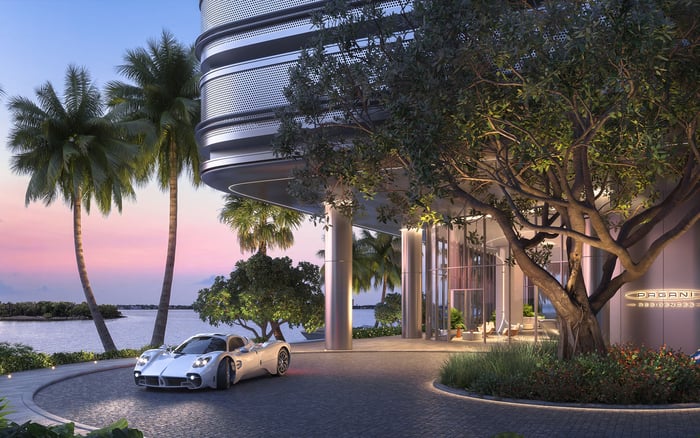
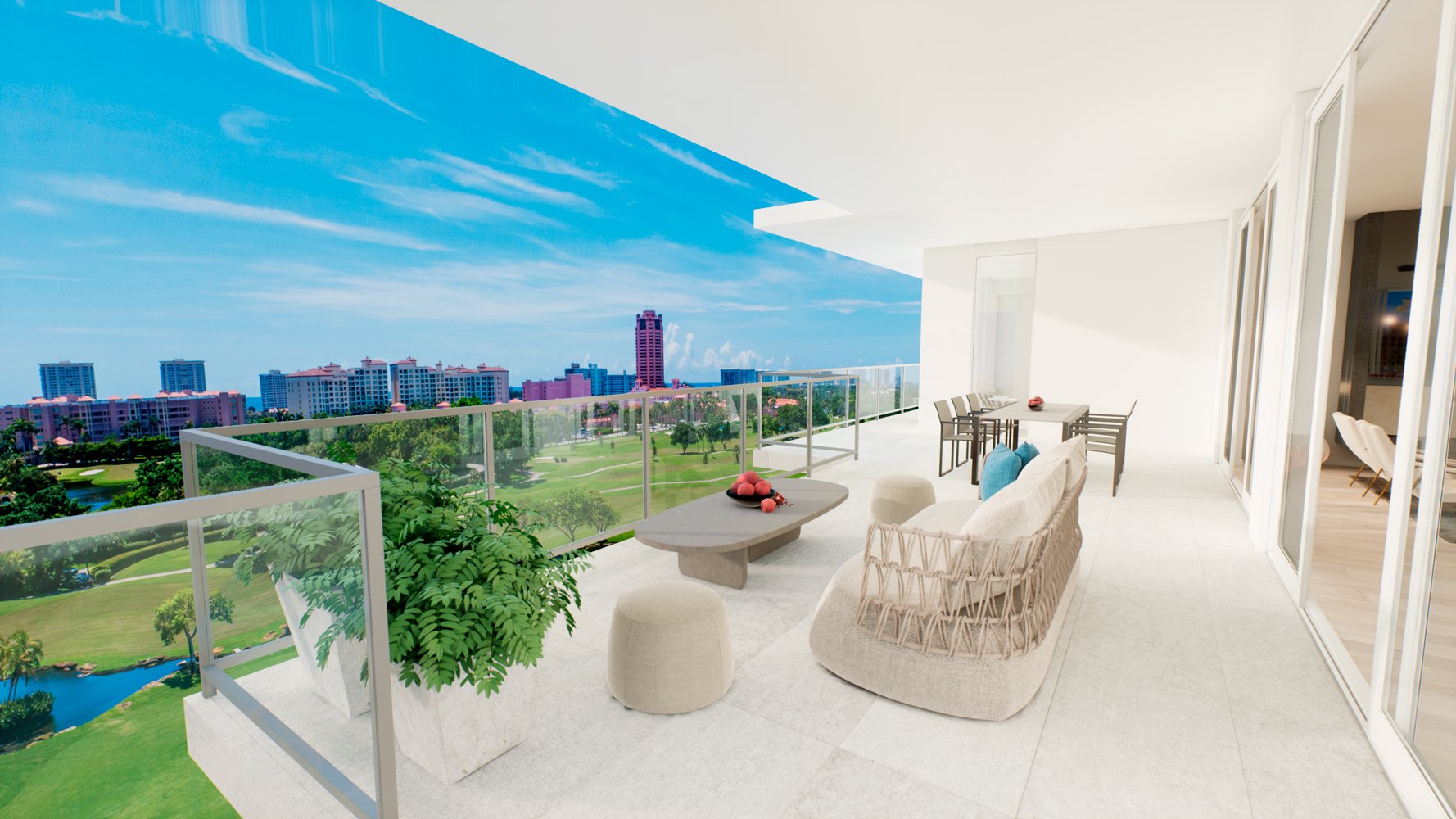
For many Los Angeles buyers, the cleanest seasonal format is a full-service condominium or branded residence. Downtown Boca Raton offers an urban seasonal rhythm, where dining, shopping, cultural programming, and everyday convenience can support a low-maintenance stay. A residence such as Alina Residences Boca Raton fits the broader appeal of a lock-and-leave Boca base, where walkability and building infrastructure can matter as much as private interior volume.
Buyers who want hospitality adjacency and a more curated service environment may prefer residences tied to major lifestyle anchors. In that context, The Residences at Mandarin Oriental Boca Raton speaks to a buyer who wants seasonal living to feel polished from arrival to departure, rather than dependent on ad hoc staffing.
There is also a distinct buyer for new-construction privacy in a boutique setting. Glass House Boca Raton belongs in conversations where the owner wants a refined condominium lifestyle without the feel of a large tower. The appeal is not only architectural. It is operational. Smaller, well-conceived buildings can offer a quieter seasonal pattern for buyers who prefer discretion over scene.
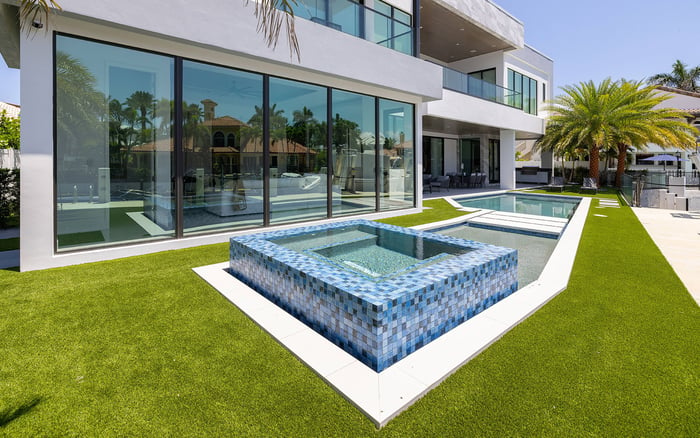
Single-family ownership is a different proposition. It may suit buyers who want more land, private outdoor space, a garage, room for recurring guests, or a more traditional estate lifestyle. But a single-family seasonal home needs a management plan equal to the asset: landscape oversight, pool care, storm readiness, security, mail, vendors, and rapid response when the owner is in Los Angeles. Without that infrastructure, a house can become a project rather than a refuge.
Condos reward careful reading. Before closing, buyers should review disclosures, budgets, reserves, insurance, rules, governance obligations, rental policies, pet policies, guest procedures, and any pending or contemplated work. Building age, inspection status, and reserve planning are especially important for owners who will not be present year-round.
Insurance deserves equal attention. Seasonal owners should review homeowners, windstorm, flood, and condo-association coverage with a Florida-licensed insurance professional. The association’s master policy is not a substitute for understanding the owner’s personal coverage obligations.
Flood-zone status should be reviewed early, not after emotional attachment forms. A beach-adjacent or waterfront setting may be ideal for a buyer who wants ocean proximity, morning walks, and a softer seasonal routine. It also requires a clear view of flood-map designation, insurance implications, building systems, and storm protocols. Before leaving the home unattended, owners should confirm shutters or impact glass, emergency contacts, insurance documents, association procedures, and vendor access.
Boca Raton offers several versions of luxury. Downtown living is for the buyer who wants to arrive, park once, and move easily among restaurants, shops, and cultural programming. Beach-adjacent ownership is for the buyer who wants salt air, parks, and a slower daily rhythm. Resort-oriented residences are for those who value amenity depth and service. Club communities suit buyers expecting longer stays, recurring guests, golf, boating, and social continuity.
The most successful second-home decision is honest about use. If you will fly in for short stays, prioritize staffing, access, and simplicity. If you will remain for extended seasonal periods, prioritize community, storage, outdoor space, and comfort for visiting family. If the home will be vacant for meaningful stretches, model storm preparation, insurance, and property management as part of the ownership experience, not as afterthoughts. Lifestyle is the reason to buy in Boca Raton. Operations are what make the lifestyle effortless.
Does buying in Boca Raton make me a Florida resident? No. Property ownership alone should not be treated as a residency or domicile plan, so Los Angeles buyers should obtain tax advice before relying on a Florida purchase for that purpose.
Is a Boca Raton pied-à-terre mainly an investment property? It is best treated first as a self-use lifestyle asset. Rental potential, if any, should be secondary to personal use, building rules, and ownership costs.
Will I qualify for Florida homestead benefits? Do not assume eligibility without professional guidance. Seasonal use, ownership structure, and primary-residence status should be reviewed before closing.
What should I review before buying a Boca condo? Review association budgets, reserves, rules, insurance, governance, disclosures, inspection history, and any planned capital work before closing.
Why do reserves and inspections matter for seasonal owners? They can affect future carrying costs, assessments, and confidence in the building. This matters even more when the owner is not present year-round.
How important is flood-zone due diligence? It is essential. Flood-map designation can affect insurance, financing, and long-term ownership costs, particularly near beach, canal, or Intracoastal settings.
What makes a building easier to own from Los Angeles? Staffing, secure access, clear guest procedures, package handling, maintenance coordination, and reliable communication all support easier long-distance ownership.
Should I choose downtown, beach-adjacent, resort, or club living? Choose based on how you will actually use the home. Short visits often favor services and convenience, while longer stays may favor community, storage, and outdoor space.
Is single-family ownership practical for a seasonal buyer? It can be, but it requires a stronger management plan than most condominiums. Vendors, storm preparation, security, and routine maintenance should be arranged before occupancy gaps occur.
What is the easiest format for a seasonal owner? A staffed condominium or resort-style residence is often the simplest option, especially for short visits where arrival, security, and maintenance matter most.
If you'd like a private walkthrough and a curated shortlist, connect with MILLION.
If branded residences are on your mind — as a home or as an allocation — we would be glad to share what we are seeing, privately.
Begin a quiet conversation