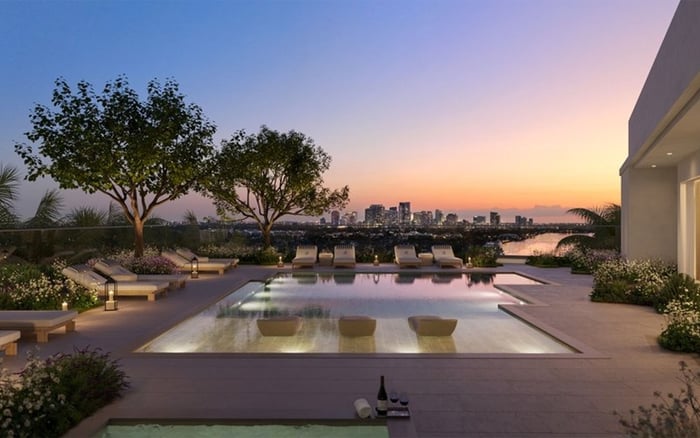
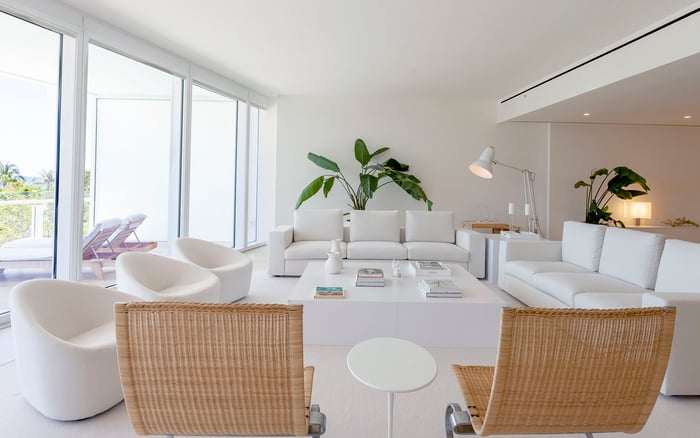
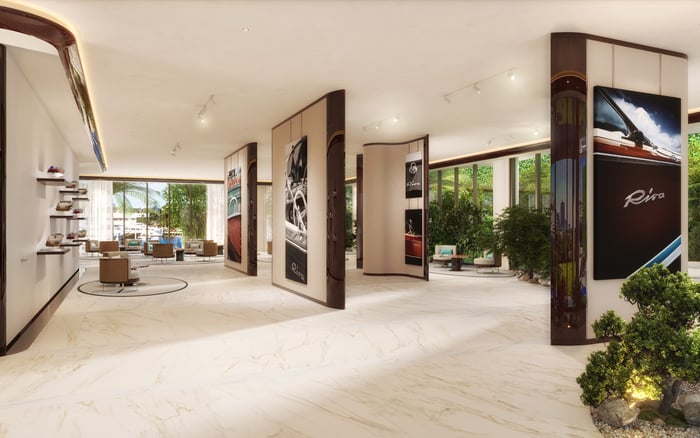
A buyer-focused comparison of how hospitality service, lifestyle identity, and boutique island positioning shape perceived residential value across Fort Lauderdale and Bay Harbor Islands.
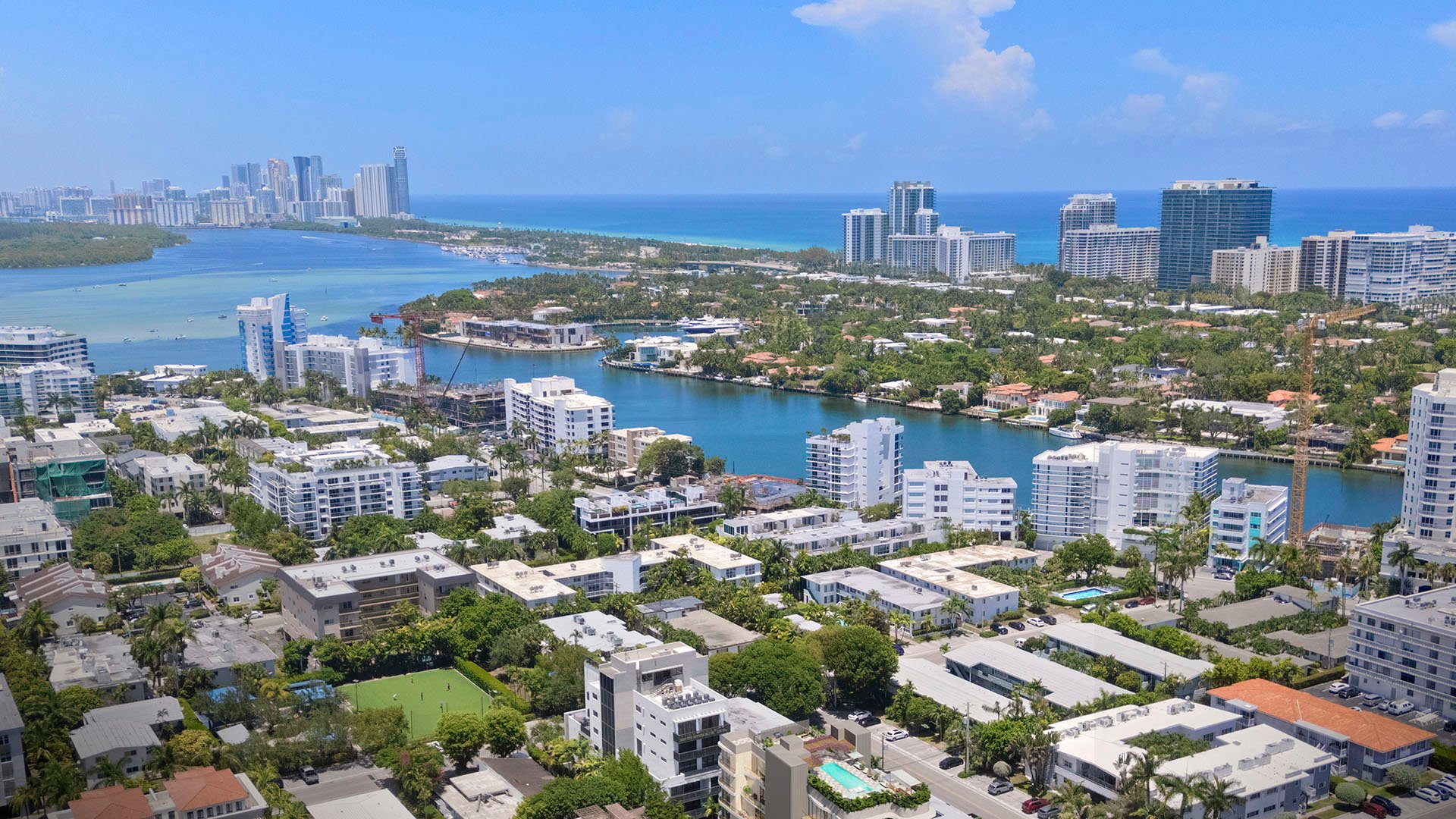
In South Florida’s upper tier, the name on a residential building is rarely decorative. It is shorthand for expectations: how the lobby should feel, how service should respond, how privacy should be protected, and how confidently an owner can explain the asset to a future buyer. That is why branded residences have become more than a marketing category. They are a way of organizing value.
The comparison between Four Seasons Hotel & Private Residences Fort Lauderdale, Riva Residenze Fort Lauderdale, and Mila Bay Harbor Islands is useful because each speaks a different residential language. Four Seasons translates value through hospitality infrastructure and a globally recognized service environment. Riva Residenze Fort Lauderdale leans into a lifestyle identity shaped by Italian-language residential branding and design atmosphere. Mila Bay Harbor Islands foregrounds its Bay Harbor Islands setting, where boutique scale, privacy, scarcity, and neighborhood identity become central to the ownership proposition.
For the buyer, the point is not to rank one vocabulary above another. It is to understand which brand promise remains most durable after closing.
The clearest hospitality-branded case in this comparison is Four Seasons Hotel & Private Residences Fort Lauderdale. The name itself signals a dual-use proposition: hotel infrastructure paired with private residential ownership. That distinction matters because the brand promise is not only visual. It reaches into operations, service culture, amenity access, and the daily cadence of living in a hotel-service environment.
For a buyer who values predictability, this can be powerful. A globally recognized hospitality name creates an immediate frame of reference. One does not need to be fluent in the local development cycle to understand what Four Seasons is meant to imply: attentiveness, polish, and an operating standard associated with luxury hotels. In residential terms, that becomes service-backed ownership.
This does not mean every buyer should choose a hotel-branded residence. Some owners prefer a quieter, purely residential building with a more private rhythm. But Four Seasons makes the brand language easier to decode. Its value thesis is not primarily dependent on an architectural mood or a poetic name. It rests on the idea that ownership is enhanced by a hospitality ecosystem.
In Fort Lauderdale, that is especially relevant because the market has matured beyond simple waterfront appeal. Waterfront still matters, but the discerning buyer is asking a more layered question: what happens after the view has been secured? If the answer includes service, operations, and a recognized standard of care, the residence may carry an identity that remains legible over time.
Riva Residenze Fort Lauderdale works differently. Its name uses Italian-language residential branding, immediately placing the project in a lifestyle-led register. Rather than relying on a global hotel operator as the principal source of identity, Riva speaks through atmosphere, aspiration, and the emotional cues of place-making.
That can be just as meaningful, but it requires a different reading. With a lifestyle-led building, the buyer should consider whether the name, design direction, public spaces, and residential experience feel coherent. The value is not merely in sounding European or refined. It is in creating an environment where the brand language carries naturally through the architecture and daily life of the building.
This is where design and architecture become more than aesthetic preferences. They become instruments of confidence. A well-curated residential identity can make a building feel less interchangeable, especially in a market where many luxury towers compete for similar buyers. If Four Seasons offers the clarity of an established service brand, Riva Residenze offers a more atmospheric proposition: a residential setting whose value is built through taste, naming, and lifestyle association.
The distinction is subtle but important. Hotel branding often answers the question: who is operating this experience? Lifestyle branding asks: what world does this residence invite me into? For some buyers, particularly those seeking a less institutional and more personal sense of home, the second question may be more compelling.
Mila Bay Harbor Islands offers a third model. Here, the project name foregrounds Bay Harbor Islands, making the island-market identity central to how the residence is framed. The value language is not primarily about a global operator, nor solely about an imported design vocabulary. It is about a tightly defined residential setting.
Bay Harbor Islands has a different emotional register from Fort Lauderdale. It suggests neighborhood scale, separation from the broadest urban rush, and a more intimate luxury rhythm. For Mila Bay, that setting becomes part of the brand. The residence can be understood as a boutique-location case, where privacy, scarcity, and neighborhood identity are core components of perceived value.
This kind of positioning can be especially attractive to buyers who do not want the most visible address in the room. The appeal is quieter. It is less about entering a universally known brand environment and more about owning within a carefully bounded island context. In that sense, Mila Bay’s brand language is inseparable from its geography.
Location-led exclusivity is not passive. It requires a buyer to believe that the neighborhood itself will continue to carry meaning. In Bay Harbor Islands, that meaning is tied to the residential character of the islands, their relationship to water, and the limited nature of desirable settings. The brand value is local, not global, but that can make it feel more personal and, for the right owner, more defensible.
The most disciplined buyers are not simply comparing amenities. They are comparing mechanisms of value.
Four Seasons represents hospitality brand equity. Its strength lies in service-backed ownership and the association with a recognized hotel environment. Riva Residenze represents curated lifestyle identity. Its strength lies in design atmosphere, naming, and a residential sensibility that must feel coherent in use. Mila Bay represents location-led exclusivity. Its strength lies in privacy, scarcity, and Bay Harbor Islands as a defining residential context.
Each mechanism can be valuable. Each also carries a different risk profile. A hospitality-branded residence should be evaluated for how well the service proposition supports daily life. A lifestyle-led residence should be judged by whether its design language feels authentic rather than ornamental. A boutique island residence should be assessed for how strongly the neighborhood identity supports long-term desirability.
The buyer’s own habits matter. A seasonal owner may place a premium on the ease of a service-backed environment. A design-sensitive primary resident may prefer the atmosphere of a curated residential building. A privacy-oriented buyer may find more value in a quieter island address than in a more visible branded tower.
Brand language should clarify, not obscure. The best luxury residential brands make it easier for a buyer to understand what is being purchased beyond square footage: a service culture, a lifestyle frame, or a location identity. The weakest brand language asks the buyer to accept style without substance.
In this comparison, the difference is clean. Four Seasons speaks in the language of hospitality. Riva Residenze speaks in the language of residential atmosphere. Mila Bay speaks in the language of island-market exclusivity. The intelligent purchase is not the one with the loudest brand, but the one where the brand’s promise matches how the owner intends to live.
For South Florida buyers, that is the practical lesson. Brand is not a premium by itself. It becomes residential value only when it changes the everyday experience of ownership and remains understandable to the next discerning buyer.
What is the central difference between these three residences? Four Seasons is service-led, Riva Residenze is lifestyle-led, and Mila Bay is location-led. Each translates brand language into value through a different mechanism.
Why is Four Seasons considered the clearest hospitality-branded example? Its name pairs hotel infrastructure with private residential ownership. That makes service, operations, and amenity access central to the ownership story.
What does service-backed ownership mean? It means the residence is framed not only as a home, but as part of a hotel-service environment. The brand promise is tied to daily operational experience.
How does Riva Residenze Fort Lauderdale create brand value? Riva Residenze uses Italian-language residential branding to create a curated lifestyle identity. Its value depends on atmosphere, design cues, and place-making.
Is Riva Residenze a hotel-branded residence? In this comparison, Riva is better understood as lifestyle and design oriented rather than as a global hotel-operator model. Its appeal is more atmospheric.
Why does Mila Bay Harbor Islands stand apart from the Fort Lauderdale projects? Mila Bay is positioned in Bay Harbor Islands, so its identity is tied to a more defined island residential setting. Privacy and neighborhood character become key cues.
What does location-led exclusivity mean for Mila Bay? It means the project’s value language is shaped by its Bay Harbor Islands context. The appeal is less about a global name and more about a scarce residential setting.
Should buyers treat brand names as automatic premiums? No. A brand becomes valuable when it improves daily ownership and remains clear to future buyers. The promise should be tested against practical living.
Which buyer may prefer Four Seasons? A buyer who prioritizes service, operational consistency, and hospitality association may find Four Seasons especially legible. It is the most service-oriented model here.
Which buyer may prefer a boutique island residence? A privacy-focused buyer may prefer a Bay Harbor Islands setting where neighborhood identity carries the value story. Mila Bay speaks most directly to that preference.
If you'd like a private walkthrough and a curated shortlist, connect with MILLION.
If branded residences are on your mind — as a home or as an allocation — we would be glad to share what we are seeing, privately.
Begin a quiet conversation