A discreet buyer’s guide to evaluating lower-floor residences in North Miami, with emphasis on privacy, light, views, building experience, resale logic, and day-to-day livability.

For luxury buyers, lower-floor value is not a simple discount conversation. In North Miami, it is a study in proportion, privacy, sightlines, arrival, and how a residence feels during the hours it will actually be used. The best lower-floor homes can offer a grounded connection to water, greenery, pool decks, and neighborhood rhythm. The less successful ones can feel exposed, shaded, or too close to a building’s mechanics.
The distinction is rarely obvious in a brochure. It reveals itself in the way morning light enters the primary suite, how a terrace relates to neighboring balconies, whether landscaping creates softness or obstruction, and how much separation exists between private interiors and shared circulation. For a buyer accustomed to penthouse logic, the questions must become more tactile. What do you see when seated, not standing? What do you hear with the doors open? Does the residence still feel composed after sunset?
Lower-floor decisions reward patience. The right purchase can be elegant, livable, and financially rational. The wrong one can be difficult to explain at resale, even in a desirable building.
The phrase lower floors often suggests a simple position in the stack, but value is more nuanced. A lower residence may trade long horizon views for intimacy, larger perceived outdoor usability, faster access to amenities, or a stronger connection to landscape. In some buildings, the lower levels are where architecture, gardens, and water edges feel most immediate. In others, the premium experience begins only once the residence clears neighboring structures.
A buyer should separate price from value. A lower asking price may be justified by a compromised outlook, limited privacy, or weaker natural light. It may also signal opportunity if the floor plate is strong, the ceiling heights feel generous, the terrace is usable, and the building’s most compelling amenities are close without being intrusive.
Ask whether the residence is lower by number only, or lower in experience. A third or fourth floor above a quiet landscaped edge can feel far more luxurious than a higher unit facing a service zone or visual clutter. The floor number matters less than the daily composition.
Privacy should be evaluated from inside the residence, not only from the terrace. Stand in the kitchen, sit in the living room, and lie back in the primary bedroom if the space is staged to allow it. From each position, ask what another resident, visitor, or neighboring property could see.
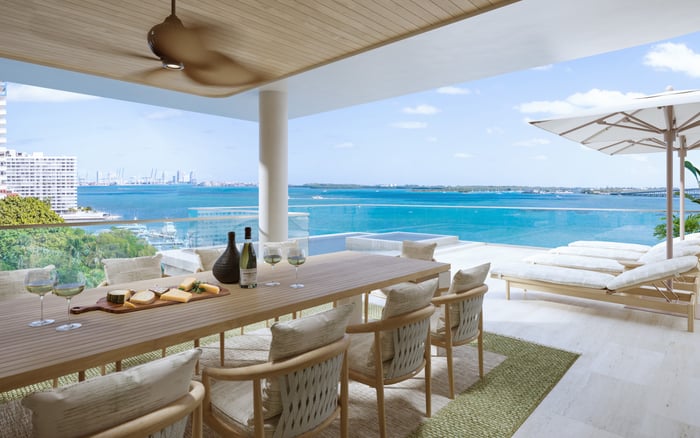
Balcony design is central. Deep terraces can protect interiors from direct exposure, but they may also reduce light. Glass railings can preserve openness, while solid or heavily framed railings can change the view when seated. The word balcony in a listing does not tell you whether the space is ceremonial or genuinely usable for breakfast, reading, or evening conversation.
Consider the path of people through the building. A lower-floor residence near a pool deck, lobby terrace, dog walk, porte cochere, or amenity corridor may feel convenient, but convenience should not cost discretion. The most desirable lower-floor homes maintain a clear boundary between private life and shared movement.
Luxury buyers often focus on the view, but light may be the more important long-term factor. A residence can have a limited outlook and still feel serene if the light is soft, consistent, and flattering. Conversely, an open view can disappoint if interiors feel dim for much of the day.
Tour at more than one time if possible. Morning, late afternoon, and early evening can reveal different personalities. Lower floors may receive reflected light from water, neighboring glass, pale stone, or pool surfaces. They may also be affected by overhangs, mature landscaping, or adjacent massing.
Waterview should be tested carefully. A glimpse of water from a terrace corner is different from a composed water presence across the main living area. Buyers should ask whether the water view is visible from the places where daily life actually happens, including the dining table, primary bed, and seating area. A lower-floor waterview can be beautiful when it feels immediate and calm, but it should not be assumed from a single standing angle.
Lower floors can offer practical luxury. Elevator rides are shorter, amenity access may be easier, and the residence may feel less removed from the building’s social life. For some buyers, especially those who use the pool frequently or entertain casually, that proximity is a benefit.
The question is whether the benefit is controlled. Pool decks, outdoor lounges, fitness areas, valet areas, loading zones, and mechanical spaces each create different rhythms. Some are occasional. Others are daily. A discreet buyer asks when the building is most active, where sound travels, and whether landscaping, glazing, setbacks, and orientation mitigate the activity.
Do not evaluate noise only with doors closed. South Florida living often depends on open thresholds between interiors and terraces. If the outdoor space is part of the value proposition, it must be comfortable during the hours you intend to use it.
A superior floor plan can make a lower residence feel more valuable than a higher but less resolved alternative. Look for clean separation between entertaining and bedroom areas, minimal wasted corridors, practical storage, and a kitchen that supports both daily living and catered evenings.
Ceiling height, window proportions, and terrace depth can change the perception of floor level. A low unit with generous glass and well-scaled rooms may feel expansive. A higher unit with narrow rooms, awkward columns, or shallow outdoor space may not.
For buyers comparing new construction with resale, finishes should be viewed as only one layer of value. New materials can be appealing, but the core questions remain the same: privacy, light, outlook, acoustics, parking, service access, and the quality of the building’s shared spaces. The best lower-floor purchase is rarely about novelty alone. It is about whether the architecture supports daily elegance.
Lower-floor resale depends on clarity. Future buyers must immediately understand why the residence works. Is the terrace unusually pleasant? Is the layout more efficient than other lines? Is the outlook protected by landscaping or water? Is the price positioned intelligently relative to higher floors?
Avoid homes that require too much explanation. If the view is compromised, the light is weak, and the only argument is a lower price, the property may remain vulnerable when a buyer has multiple choices. If, however, the residence offers privacy, ease, and a distinctive relationship to the site, the lower floor can become part of its charm.
Condition also matters. Luxury buyers may accept a lower floor, but they are less forgiving of deferred maintenance, tired finishes, or unresolved lighting. A carefully improved residence can sharpen the value story, provided the improvements are tasteful and aligned with the building.
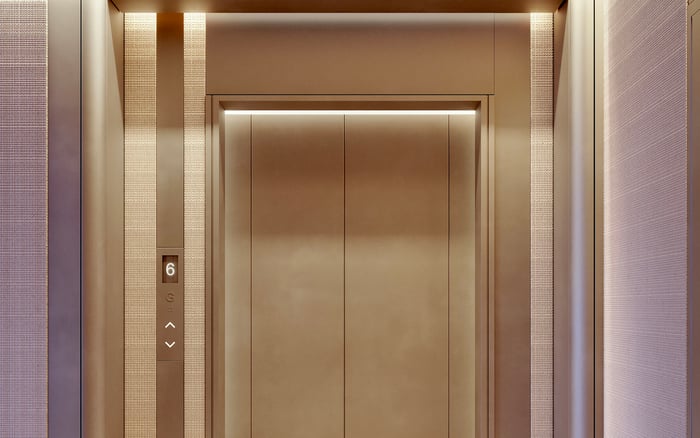
Before making an offer, walk the approach from parking or valet to the residence. Notice how the building sequence feels. Is the arrival calm? Are service areas discreet? Does the elevator experience feel private? These moments influence how the home will be perceived by guests and future buyers.
Inside, test the residence from seated positions. Open terrace doors. Listen. Observe sightlines after dark if access allows. Ask how window treatments, landscape growth, and adjacent construction or renovation could affect the experience. The phrase North Miami Beach may appear in broader searches, but a serious North Miami buyer should judge the exact building, exposure, and line rather than relying on neighborhood shorthand.
Finally, compare the lower-floor option to higher alternatives in the same building when available. The goal is not to prove that lower is better. The goal is to understand whether the price difference is large enough, and the lifestyle advantages strong enough, to make the lower residence the more intelligent acquisition.
Are lower-floor luxury residences always less desirable? No. Some lower-floor homes offer better privacy, terrace usability, amenity access, or landscape connection than higher alternatives.
What is the first thing buyers should inspect? Privacy is the first test. Evaluate sightlines from seated positions inside the residence, not only from the balcony.
Can a lower-floor waterview still be valuable? Yes, if the water presence is meaningful from the main living spaces and not limited to a narrow angle from the terrace.
How important is noise when buying lower? Very important. Buyers should listen with doors open and consider pool, valet, amenity, and service-area activity.
Does a balcony add value on a lower floor? It can, if it is private, comfortably scaled, and usable during the times of day the owner will occupy it.
Should buyers prioritize floor height or layout? Layout can matter more than height. A well-planned lower residence may live better than a higher unit with awkward proportions.
Is new construction safer than resale for lower floors? Not automatically. New finishes help, but buyers still need to evaluate light, privacy, acoustics, and long-term livability.
Can proximity to the pool be a benefit? Yes, when access is convenient without sacrificing quiet, discretion, or separation from shared activity.
How should buyers think about resale? The residence should have a clear value story, such as privacy, strong layout, terrace quality, or a distinctive outlook.
What should a buyer do before offering? Compare the unit against higher floors, visit at different times if possible, and test how the home feels in real use.
For a tailored shortlist and next-step guidance, connect with MILLION.
If branded residences are on your mind — as a home or as an allocation — we would be glad to share what we are seeing, privately.
Begin a quiet conversation