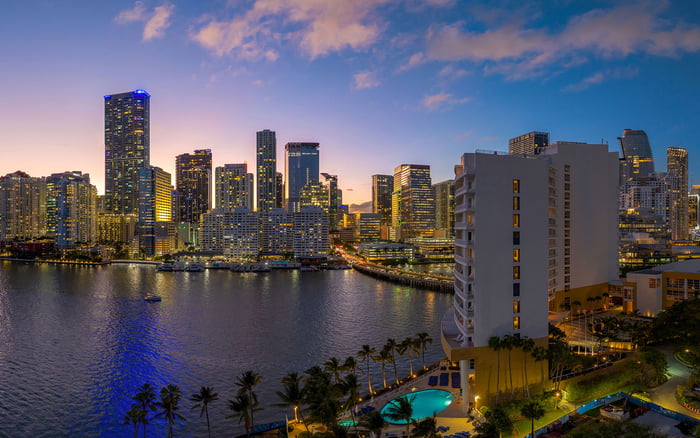
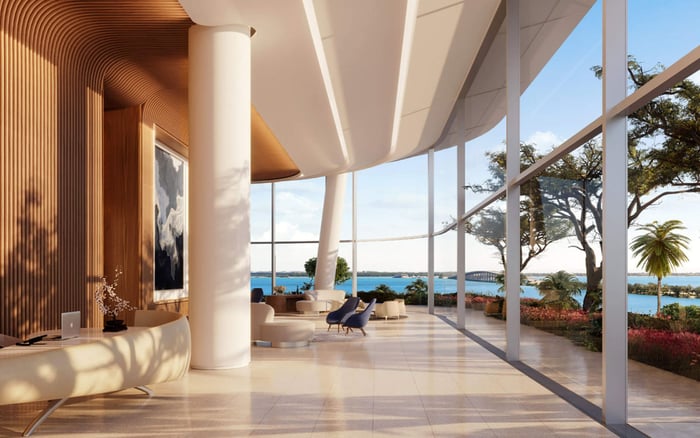
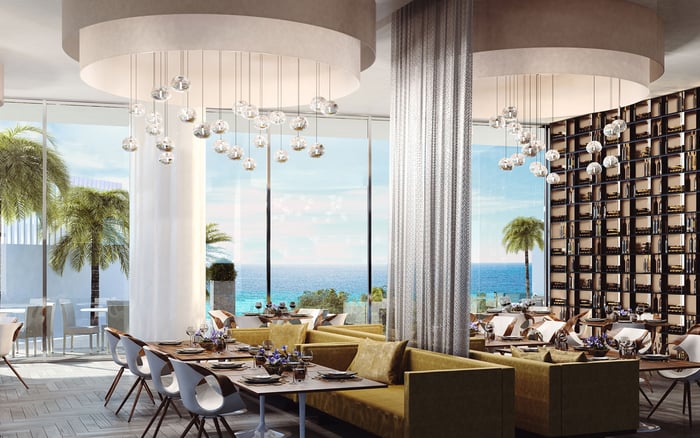
South Florida luxury buyers are increasingly viewing post-storm re-entry as a core ownership filter, weighing resilience, access, staffing, power continuity, and neighborhood recovery alongside architecture, views, and amenities.
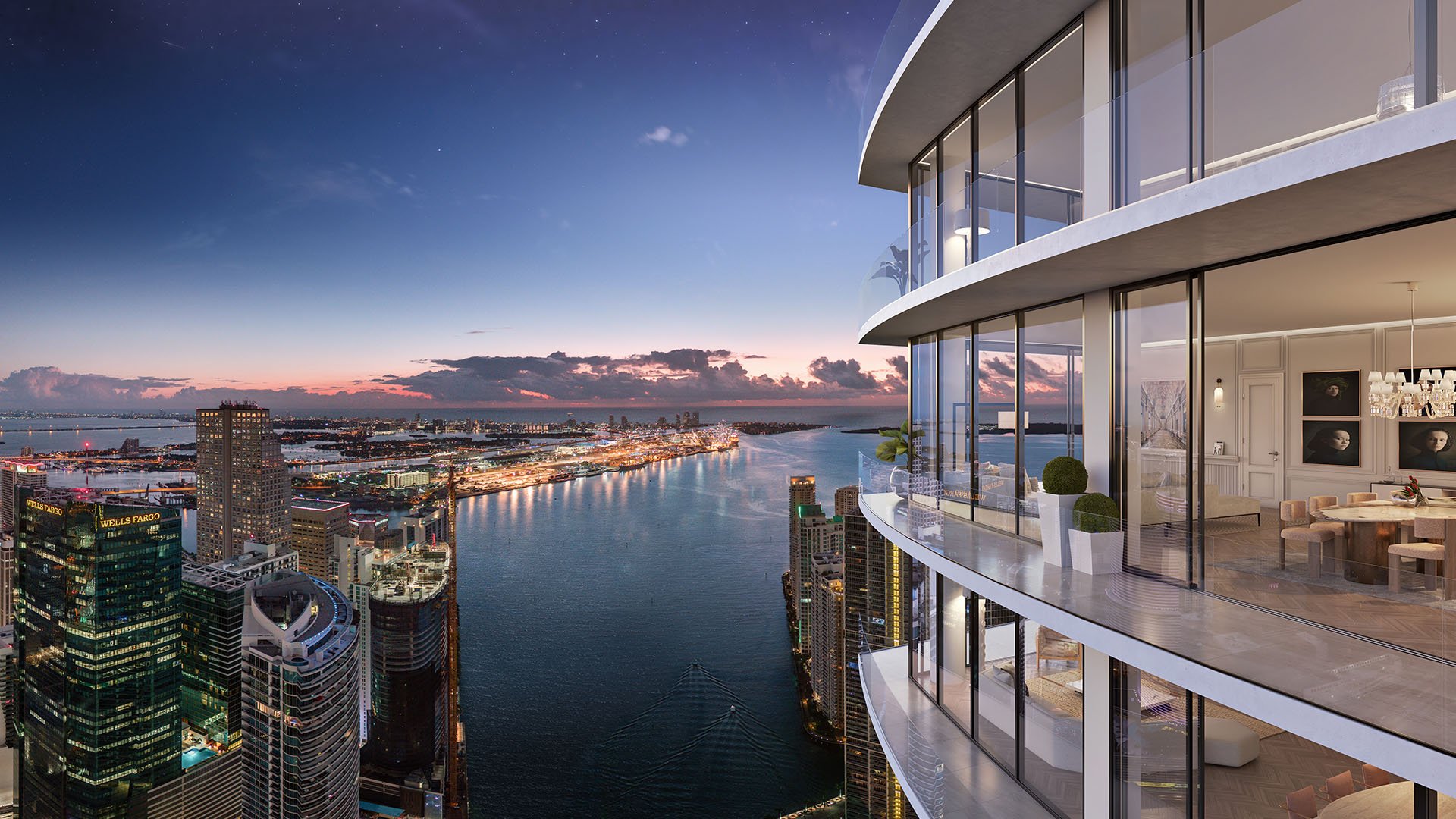
For years, South Florida luxury real estate followed a familiar hierarchy: water views, architecture, privacy, service, prestige, and that rare sense of arrival. Those qualities still matter. Yet a quieter, more technical question is moving closer to the center of high-end buyer conversations: after a major storm evacuation, how quickly can an owner safely re-enter, restore daily life, and regain control of the property?
That is the core of post-storm re-entry. It is not only about whether a residence is beautifully built. It is about what happens after the weather clears, when roadways, elevators, generators, cooling systems, security teams, vendors, garages, docks, and neighborhood infrastructure all become part of the ownership experience.
By 2026, many buyers are expected to treat this as a practical filter rather than an abstract concern. The lens is especially relevant for second-home owners who may not be in residence year-round, for oceanfront buyers exposed to evacuation protocols, and for those weighing new construction against established condominium buildings. In the ultra-premium market, confidence is no longer expressed only through marble, millwork, and skyline views. It is also expressed through continuity.
The phrase “2026 filter” is less about a single deadline than a buyer mindset. It reflects a convergence of concerns that have made resilience feel more immediate: intense storm seasons, evolving insurance expectations, heightened attention to condominium governance, reserve planning, building maintenance, and municipal adaptation.
Affluent buyers are not necessarily becoming more fearful. They are becoming more precise. A waterfront purchaser in Miami Beach may still want the romance of the Atlantic horizon, while a Brickell buyer may still prioritize vertical convenience and access to dining, finance, and culture. The difference is that both are now more likely to ask what happens when elevators pause, bridges are restricted, valet operations are interrupted, or vendors cannot reach the property.
For many families, re-entry is now part of lifestyle planning. They want to know whether a building can maintain basic functions, whether staff has a storm protocol, whether management communicates clearly, and whether the surrounding district can support a return without avoidable friction. Fort Lauderdale, Palm Beach, Sunny Isles, Surfside, Coconut Grove, and Bay Harbor buyers may frame the question differently, but the underlying concern is similar: how resilient is the address as a lived environment?
In luxury real estate, the building often receives the most scrutiny. That is understandable. Buyers want to understand backup power, life-safety systems, elevator planning, HVAC continuity, water management, garage exposure, window systems, and the professionalism of building operations. These considerations now sit in the same conversation as spa facilities, private dining rooms, wellness suites, and arrival courts.
Yet post-storm re-entry is broader than the structure itself. A residence may be well managed while the surrounding streets remain difficult to navigate. A tower may have thoughtful systems while vendors struggle to enter the district. A home may be secure, but service providers, household staff, landscape teams, pool technicians, and marine specialists may be delayed if neighborhood access is impaired.
This is where luxury buyers are becoming more sophisticated. They are evaluating the address as an ecosystem. The question is not simply, “Did the building perform?” It is, “Can the owner live normally again, and how soon?” That answer depends on power, roads, communications, municipal recovery, building personnel, private management, and the readiness of the owner’s own household team.
The strongest buyers are not looking for dramatic promises. They are asking calm, operational questions. How is access controlled after an evacuation? Who communicates with residents, and how? Are there written procedures for reopening common areas? Which building functions are prioritized first? How are elevators, cooling, garage systems, and security handled if conditions are disrupted?
They are also asking about the practical logistics of ownership. Can a property manager inspect the residence quickly? Is there a preferred vendor network? Are deliveries, repairs, and housekeeping likely to resume in a reasonable sequence? If a family is traveling internationally or residing elsewhere for the season, who is empowered to make decisions on-site?
In condominium settings, this level of diligence often extends to governance and financial readiness. Buyers may want to understand how the association approaches maintenance, reserves, staffing, and emergency planning. In single-family-home searches, the questions move toward elevation, drainage, landscaping, roof systems, impact openings, generator capacity, secure storage, and the reliability of access routes.
The refined buyer is not necessarily seeking perfection. They are seeking evidence of preparation.
For a certain segment of the market, neighborhood passability may become as valuable as a signature lobby. A residence can function at its highest level only if the owner can reach it, staff can service it, and the local environment can stabilize quickly.
This is why buyers are studying bridges, causeways, low-lying approaches, marina access, gated entries, service roads, and nearby municipal resources with new seriousness. In dense vertical districts, the concern may be elevator continuity and curbside operations. In private residential enclaves, it may be tree canopy, drainage, security checkpoints, and vendor coordination. In waterfront corridors, it may include seawalls, docks, surge exposure, and how quickly marine services can resume.
The luxury vocabulary is expanding. A lap pool, private beach club, wine room, and roof terrace may help sell the dream. But in the post-storm conversation, a calm management office, tested communications plan, reliable access route, and well-organized maintenance team may be just as persuasive.
As resilience becomes more visible in buyer conversations, the language around it matters. Sophisticated purchasers are likely to distinguish between attractive phrasing and operational substance. “Storm ready” is less meaningful than clear answers about which systems are supported, what staff will do, how residents are notified, and how the property transitions from closed to habitable.
This distinction is especially important in the ultra-luxury tier, where expectations are high and inconvenience is costly. A buyer may own homes in multiple markets, travel frequently, or expect staff to manage the residence with minimal friction. For that owner, a delayed return is not merely an inconvenience. It can affect family plans, charter schedules, household staffing, guest arrivals, pet care, and asset protection.
The 2026 filter therefore rewards clarity. It favors residences and communities that can explain their protocols without theatrics. It also favors buyers who ask questions early, before the emotional momentum of a purchase takes over.
None of this means South Florida luxury should become purely technical. The region’s appeal remains emotional: light, water, boating, architecture, food, art, privacy, and the ability to live both indoors and outdoors with unusual ease. The best properties still move buyers on instinct.
The point is to add discipline to desire. A buyer can still fall in love with a terrace over Biscayne Bay, a quiet coastal condominium, or a modern estate near the water. But before the contract is complete, the re-entry lens should be applied: Can this home be protected, reached, cooled, secured, serviced, and reoccupied after a disruption?
For 2026-minded buyers, the most compelling residences will be those that pair beauty with operational confidence. They will not simply look serene in perfect weather. They will feel thoughtfully prepared for the day after imperfect weather.
What does post-storm re-entry mean in South Florida real estate? It refers to how quickly and safely an owner can return to a property after an evacuation or major weather disruption.
Why are buyers treating it as a 2026 filter? Buyers are using 2026 as a near-term lens for resilience, insurance awareness, building readiness, and municipal recovery expectations.
Is this only relevant for oceanfront condos? No. Oceanfront properties may face more obvious exposure, but access, power, staffing, and vendor logistics matter across South Florida.
What should condo buyers ask about first? They should ask about backup power, elevator planning, communications, staffing, common-area reopening, and building management protocols.
Does new construction automatically perform better? Not automatically. Buyers should evaluate actual systems, governance, access, and operational planning rather than relying on age alone.
Why does neighborhood access matter so much? Even a well-prepared residence can be difficult to use if roads, bridges, service routes, or local vendor access are disrupted.
Should second-home buyers be more concerned? Often, yes. Owners who are away during storm season need trusted managers, clear authority, and reliable post-event inspection procedures.
How does this affect single-family homes? Single-family buyers often focus on drainage, generators, impact openings, landscaping, secure storage, and the reliability of access routes.
Is resilience becoming a luxury amenity? In practice, yes. Calm operations, continuity planning, and credible re-entry procedures increasingly support the premium ownership experience.
Can buyers still prioritize views and design? Absolutely. The strongest purchases combine emotional appeal with practical confidence about how the property performs after disruption.
For a discreet conversation and a curated building-by-building shortlist, connect with MILLION.
If branded residences are on your mind — as a home or as an allocation — we would be glad to share what we are seeing, privately.
Begin a quiet conversation