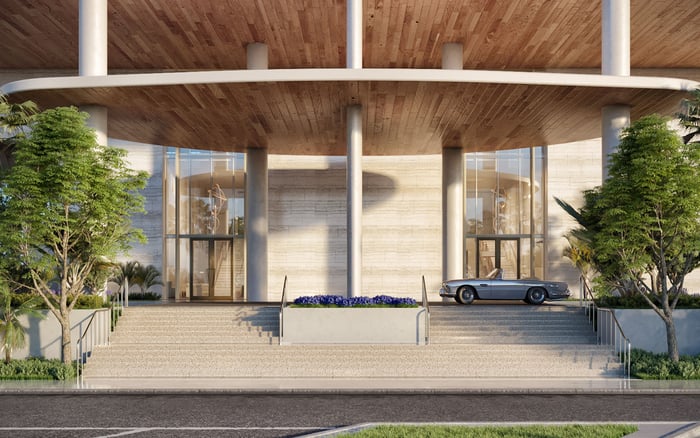
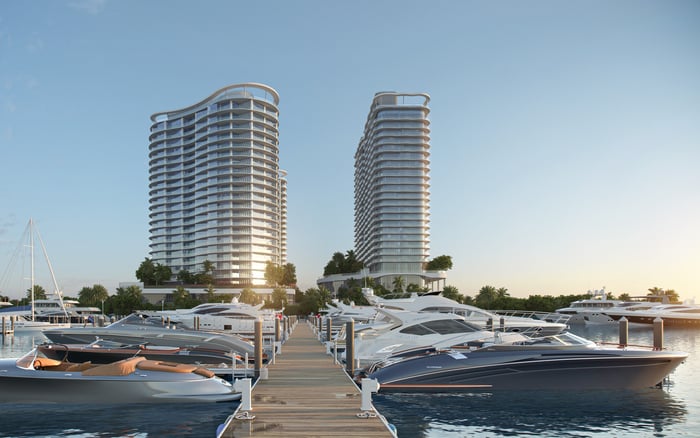
Fort Lauderdale and Delray Beach sit on the same Atlantic edge, but they sell different versions of South Florida luxury. One is engineered for yachting logistics and deep marine infrastructure; the other is built around walkability, dining, and a tightly programmed downtown culture. For buyers weighing waterfront utility against an elegant, lock-and-leave social scene, the decision is less about price headlines and more about how you want your days to flow.
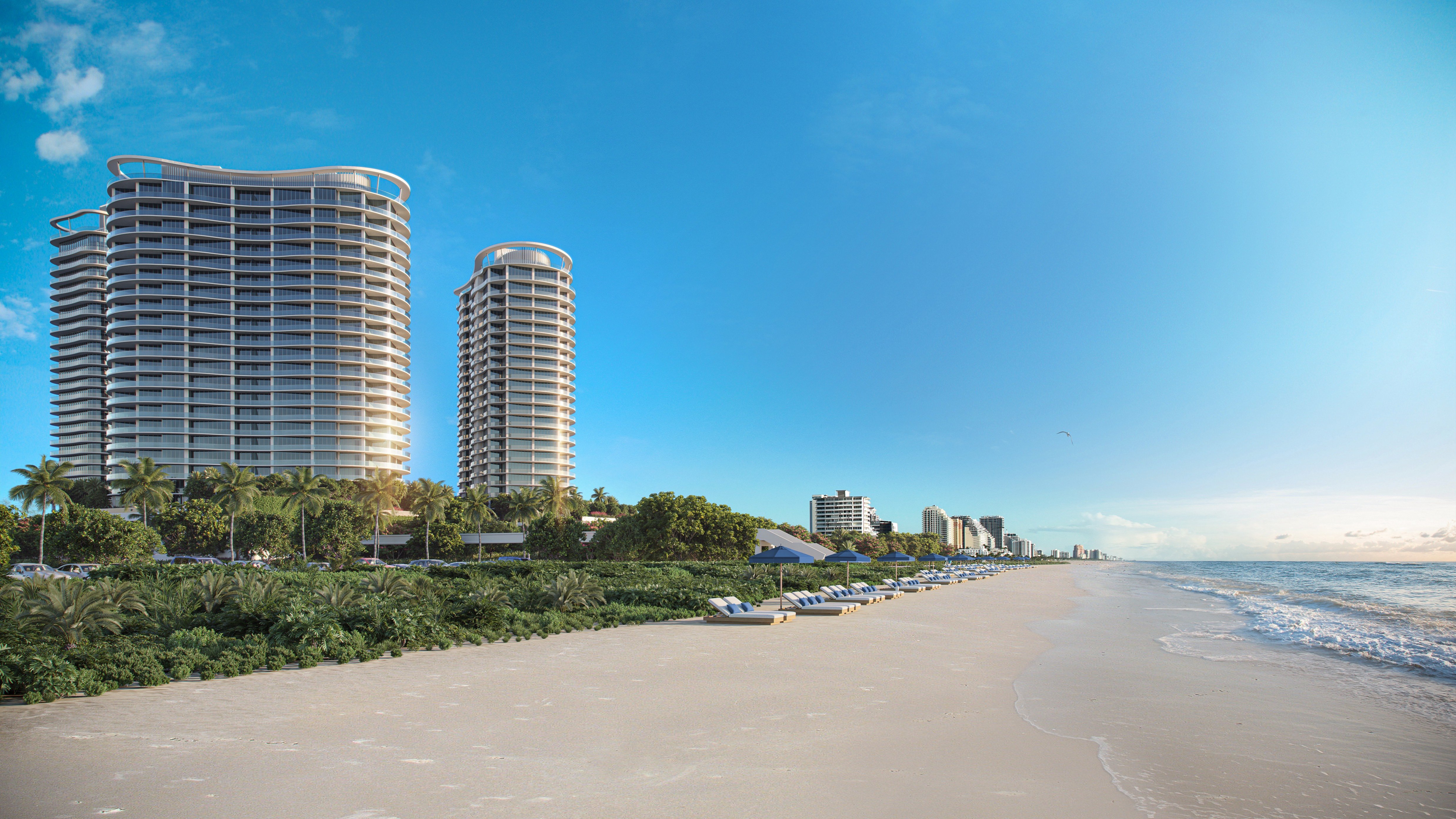
Fort Lauderdale is widely marketed as the “Yachting Capital of the World,” and the identity is more than a slogan. The city’s density of boats, marinas, and marine services forms a functional ecosystem for owners who want their vessel maintained, moved, and used with minimal friction. It is also frequently described as the “Venice of America,” a nod to its navigable waterways and the way water access can thread through daily life. Delray Beach, by contrast, wins hearts with a different kind of proximity: the ability to walk into your evening. Its downtown energy concentrates along Atlantic Avenue, where dining, shopping, and nightlife skew more European resort town than marine-industrial hub. The city’s cultural calendar, plus anchor venues such as Old School Square, reinforces a luxury that is social and curated rather than operational. For a South Florida buyer, this comparison is less about which is “better” and more about which friction you want to remove: the friction between home and boat, or the friction between home and a walkable, reliable social core.
In Fort Lauderdale, lifestyle choices quickly become routing choices. Waterfront can mean oceanfront panoramas, Intracoastal visibility, or canal-side utility, but for yacht owners there is a defining constraint: fixed bridges. “No fixed bridges” routes, and the bridge clearances along specific waterways, can determine whether a home supports the boat you actually own, or the boat you plan to own. That single factor changes how buyers evaluate neighborhoods. A beautiful canal home can still be the wrong fit if bridge limitations add time, limits, or workarounds to every departure. In other words, in Fort Lauderdale the most valuable amenity is often not the view, but the clean, predictable path from dock to open water. This is also a city where the marine economy is a meaningful regional driver, estimated at a $9.7 billion impact in Broward County. For owners, that scale translates into depth: more technicians, more yard capacity, more specialized services, and a buyer pool that understands waterfront nuance. If your ideal weekend is defined by leaving the dock on short notice, Fort Lauderdale is built around that impulse. If your ideal weekend is defined by arriving at a restaurant on foot and letting the night extend itself, Delray offers a different advantage.
Delray Beach luxury often presents as “walkable, coastal, and composed.” The downtown dining scene is a centerpiece, supported by ongoing markets, festivals, and recurring events that keep the calendar full without feeling forced. Old School Square, a city-listed cultural facility, adds gravitas for buyers who want more than beach and brunch. Delray also appeals to buyers who want seaside quality baked into the promise. The city has received a Blue Flag beach designation, an eco-label tied to standards around water quality, safety, environmental management, and education. For many luxury households, that kind of credential is less about activism and more about confidence. Boating exists here, but it is not the dominant organizing principle. Delray has municipal marina infrastructure for Intracoastal access and local boating, yet it is not positioned as a superyacht operations hub the way Fort Lauderdale is. That distinction matters when the “simple” errands of ownership include service scheduling, crew needs, and the density of marine support. For buyers who want to be close to the water without being responsible to it every day, Delray can feel like the lighter lift.
In both markets, the oceanfront versus Intracoastal question is ultimately a lifestyle and maintenance question. Oceanfront living tends to prioritize views, immediate beach access, and an almost hotel-like relationship with the coastline. Intracoastal and canal-side living tends to prioritize utility: docks, lifting capacity, and the ability to treat boating as a weekly habit rather than a planned event. In Delray, the decision is often framed as a tradeoff between the romance of the ocean and the practicality of a dock and easier water access. Fort Lauderdale’s version of this tradeoff adds another layer: your waterway must match your vessel. Bridge clearance, route constraints, and “no fixed bridges” requirements can be as important as bedroom count. The result is that “waterfront” is not one category; it is a set of use cases that should be written into your search criteria early. For condominium buyers who want coastal exposure with refined services, Fort Lauderdale’s branded and hospitality-forward inventory can be compelling. Consider how a resort-style residential experience can shape daily life at Auberge Beach Residences & Spa Fort Lauderdale, where the decision may be less about managing a property and more about living inside a well-run coastal program.
At the citywide level, Fort Lauderdale’s housing market has recently been characterized by a higher median sale price than many neighboring coastal cities, with typical home value estimates also reflecting that premium. Delray Beach’s typical home value has been shown lower in the same general timeframe, and broader cost-of-living comparisons often place Fort Lauderdale as more expensive overall. For luxury buyers, those citywide figures are useful primarily as context, not as a pricing guide. Both markets contain micro-neighborhoods where scarcity, waterfront geometry, and lifestyle access dictate price more than any metro statistic. Negotiation, too, is rarely automatic at the top. Leverage is typically property-specific, influenced by days on market, how precisely a home is priced relative to its closest substitutes, and whether the seller’s timeline is firm or flexible. In practical terms:
In Fort Lauderdale, ultra-specific attributes like bridge-free routing or true dock utility can compress inventory and reduce negotiating room.
In Delray, where the buyer is often optimizing for walkability and a curated downtown experience, negotiation dynamics can hinge on how many comparable lifestyle matches exist at that moment.
Luxury “value” here is ultimately the cost of removing friction from the life you actually want to live.
Delray Beach is often discussed as if it were a single, cohesive luxury story. In reality, it contains distinct submarkets, including Seagate, which is tracked as a defined luxury neighborhood with its own upper-tier inventory dynamics. This matters because a buyer’s Delray checklist can vary dramatically:
Some households want a quiet, established enclave with strong proximity to the ocean.
Others want an easier, more spontaneous connection to downtown’s dining and nightlife.
The strongest Delray decisions treat walkability as a measurable feature: how quickly you can be on Atlantic Avenue, how often you will actually use it, and whether you want that energy as your nightly backdrop or as an option you choose.
Both cities reward clarity on how much ownership you want to feel. If you want a high-service, lock-and-leave cadence, a condominium can turn South Florida into a more effortless second-home equation. Fort Lauderdale’s newer luxury options speak to buyers who want the city’s water culture with a residential environment that feels edited and modern, as in Andare Residences Fort Lauderdale or the design-forward positioning of Riva Residenze Fort Lauderdale. If you want the beach-and-town pairing with a similarly polished ownership experience elsewhere in South Florida, it can be useful to benchmark what “walkable luxury” feels like in other downtown coastal cores, including Alina Residences Boca Raton. The point is not to redirect the search; it is to calibrate your preferences:
Do you want lifestyle delivered through services, staff, and building operations?
Or do you want lifestyle delivered through a neighborhood grid you can walk, with your favorite table always within reach?
Fort Lauderdale “wins” when your identity includes the water as a working system. If you are actively yachting, hosting aboard, or simply want the option to depart without a production, the city’s boating infrastructure and canal network become a daily advantage. Events like the Fort Lauderdale International Boat Show, promoted as the largest in-water boat show in the world, underscore the city’s role as a global boating stage. Delray Beach “wins” when you want luxury to feel social and light. The ability to walk to dinner, catch an event, and keep your weekends spontaneous is not a minor amenity; it is a way of organizing your time. Add a beach culture recognized for standards and stewardship, and Delray offers a polished, modern version of the classic coastal town. For many high-net-worth households, the truth is not either-or. Fort Lauderdale can be the yacht-forward base, while Delray is the refined escape valve. The most elegant decision is the one that reduces your daily compromises.
Is Fort Lauderdale really better for yacht owners than Delray Beach? Fort Lauderdale is built around yachting infrastructure and routing realities, which typically makes ownership simpler at scale.
What does “no fixed bridges” mean in Fort Lauderdale buying decisions? It refers to waterways where bridge constraints do not limit access, a key factor for larger vessels.
Is Delray Beach a boating town at all? Yes, it has marina access and Intracoastal boating, but it is not a superyacht operations hub.
What is the core lifestyle advantage of Delray Beach? A walkable downtown centered on Atlantic Avenue, with dining, shopping, nightlife, and frequent events.
Does Fort Lauderdale feel more urban than Delray Beach? Generally yes, especially near its beach and downtown corridors, with a stronger marine-industry cadence.
How should I think about oceanfront vs. Intracoastal living in Delray? Oceanfront prioritizes views and beach access; Intracoastal living often prioritizes docks and boating utility.
Are Fort Lauderdale homes more expensive than Delray Beach homes? Citywide metrics have shown Fort Lauderdale higher overall, but luxury pricing is driven by micro-location and attributes.
Is negotiating common in either market right now? It depends on the specific property, its pricing, and how long it has been on the market.
What is Seagate in Delray Beach? A defined luxury submarket within Delray that is tracked separately from the city overall.
If I want a lock-and-leave lifestyle, which city fits best? Both can, but Fort Lauderdale’s condo inventory can pair especially well with boating access and services.
For a discreet shortlist and tour strategy related to Fort Lauderdale vs. Delray Beach, speak with MILLION Luxury
If branded residences are on your mind — as a home or as an allocation — we would be glad to share what we are seeing, privately.
Begin a quiet conversation