A buyer-focused framework for considering private dining access alongside privacy, service, guest circulation and reservation rules when comparing luxury residences in Miami and Palm Beach. The article treats any boat-show influence as a lifestyle consideration rather than a quantified change in residential demand.
The Miami International Boat Show can be used as a lens for examining how luxury buyers evaluate hospitality at home, but it should not be treated as proof of increased condominium sales or private-dining demand. Without supporting market data, the useful question is narrower: how well does a residence accommodate an owner’s preferred style of private entertaining?
For some buyers, that assessment may include a setting for conversations with advisers, business contacts, friends or family. A dedicated dining space can be relevant when privacy, controlled access and separation from busier common areas matter.
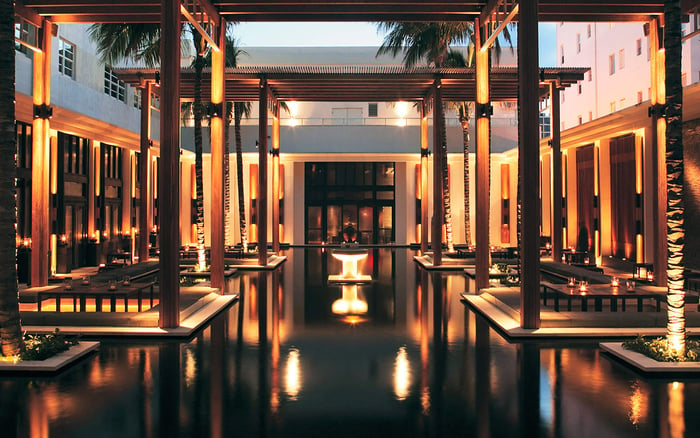
Private dining is most useful when its operation matches the owner’s needs. Buyers can ask who may reserve the space, how guest access is managed, what capacity is permitted and whether catering or outside culinary service is allowed. They can also review staffing arrangements, cleaning procedures, applicable charges and the proximity of preparation areas.
Physical details deserve equal attention. Acoustic separation, lighting, ventilation, service circulation and the route between arrival and the dining room can shape the experience. A visually impressive room may be less practical if guests must cross crowded spaces or if service activity interrupts the gathering.
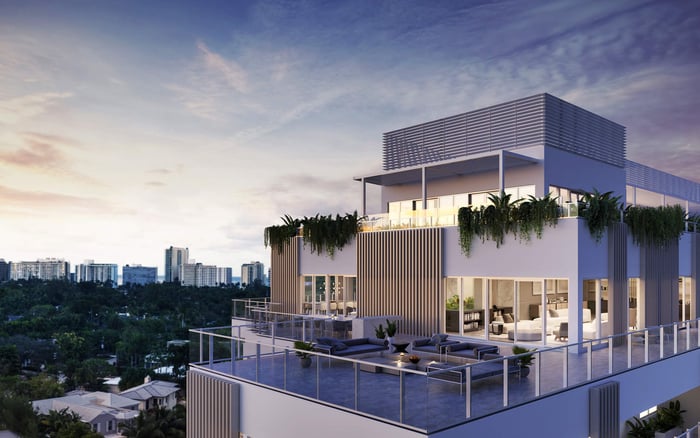
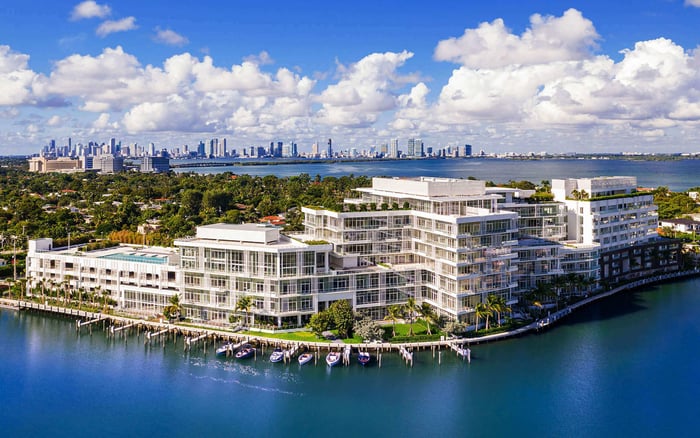
Miami buyers can apply the same evaluation framework across different residential settings without assuming that every property provides identical hospitality options. The Perigon Miami Beach and The Ritz-Carlton Residences® Miami Beach are relevant starting points for a Miami Beach comparison. Cipriani Residences Brickell extends the review to Brickell.
These project references should prompt due diligence rather than assumptions about access or service. Buyers should confirm current amenity details, reservation procedures and costs directly before relying on a private dining option in a purchase decision.
A waterfront or marina-oriented buyer may place particular value on an orderly transition between daytime appointments and evening hospitality. The practical review can focus on arrival routes, privacy, valet or building access, guest management and the distance between the residence and any reservable dining space.
This does not mean private dining should outweigh location, floor plan or the residence itself. It is one component of a broader comparison that can include privacy, service and the owner’s anticipated pattern of use.
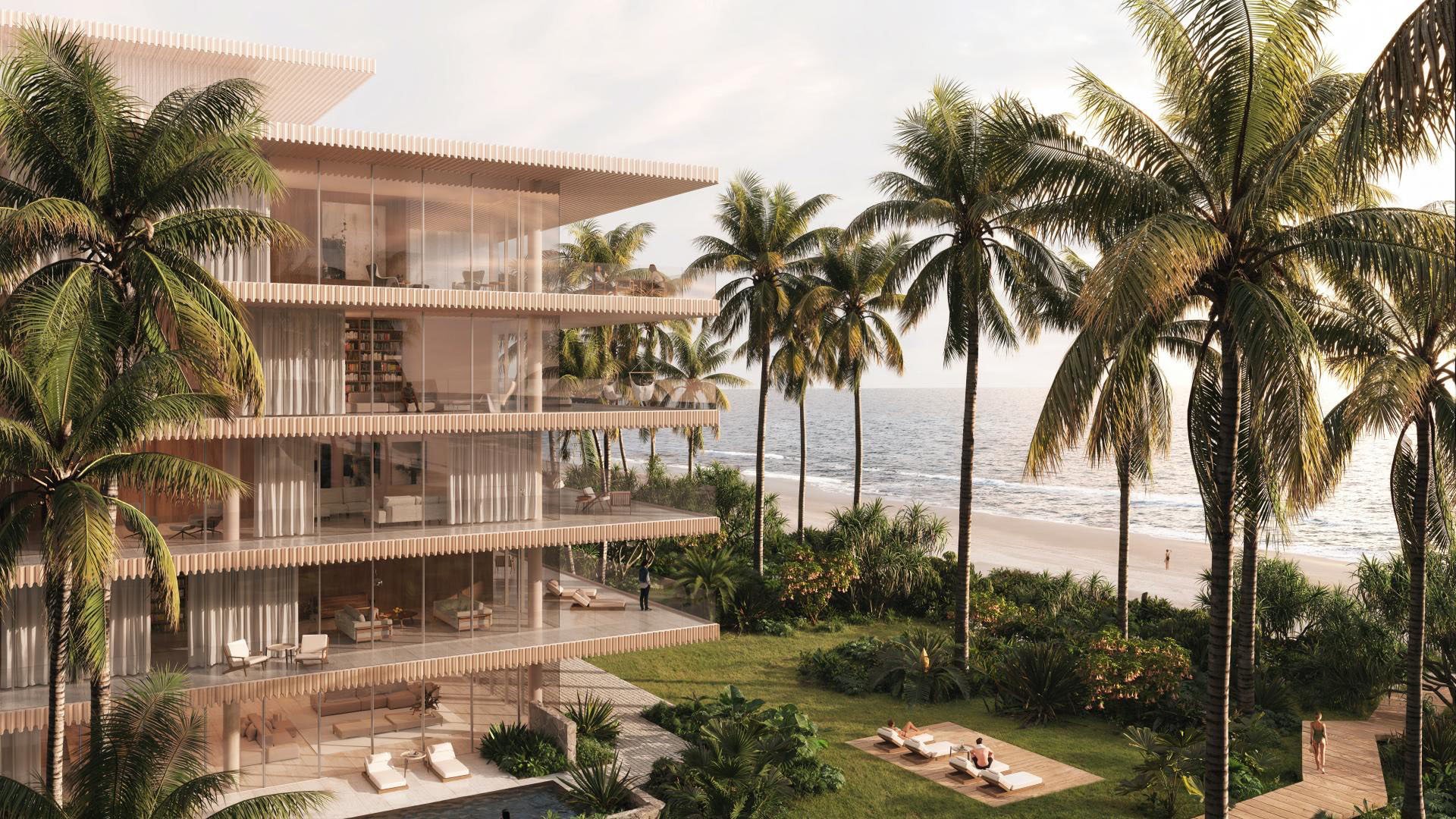
Palm Beach can be considered within a broader South Florida itinerary, but no unsupported conclusion should be drawn about boat-show-driven demand there. Palm Beach Residences provides a residential reference for buyers extending their comparison northward.
The same diligence applies: confirm whether a dining space is private or shared, determine how reservations work and understand the rules for guests and service providers. Buyers should distinguish between an attractive amenity and one that reliably supports their intended use.
A useful evaluation begins with the expected gathering size and frequency. Buyers can then consider booking priority, cancellation rules, staffing, food preparation, cleanup, security and accessibility. If privacy is central, they should examine sightlines, sound transfer and the movement of residents, guests and service teams.
The broader lesson is not that an event automatically changes residential demand. It is that a high-profile luxury context can encourage buyers to define what hospitality means in their own homes and to verify whether a property can deliver it consistently.
Does the Miami International Boat Show prove higher luxury-home sales? No. This article does not claim a measured connection between the show and residential sales.
Why might private dining matter to a luxury buyer? It can provide a controlled setting for business conversations, family occasions and social entertaining.
What should buyers verify before relying on a private dining room? They should confirm reservation rules, capacity, guest access, service options, charges and cancellation procedures.
Are all private dining amenities operated in the same way? No assumption should be made that access, staffing or policies are consistent across properties; each must be verified.
Which physical details deserve attention? Buyers can review acoustics, lighting, ventilation, preparation space and circulation for guests and service teams.
Should private dining determine the entire purchase decision? It is better considered alongside location, floor plan, privacy, service and the owner’s expected use.
How should Miami Beach and Brickell projects be compared? Buyers can apply one checklist to each property while confirming its current amenity details and operating rules.
Does this article establish boat-show spillover demand in Palm Beach? No. Palm Beach is presented only as a possible extension of a broader South Florida residential itinerary.
Can a private dining space support nonbusiness occasions? Yes. Depending on applicable rules, an owner may consider it for family gatherings or discreet social events.
What is the most important due-diligence step? Buyers should verify that the space, access rules and service model align with how they actually plan to entertain.
For a confidential assessment and a building-by-building shortlist, connect with MILLION.
If branded residences are on your mind — as a home or as an allocation — we would be glad to share what we are seeing, privately.
Begin a quiet conversation