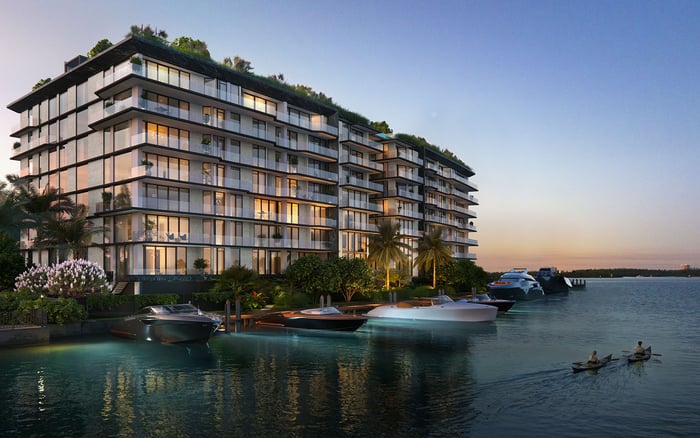
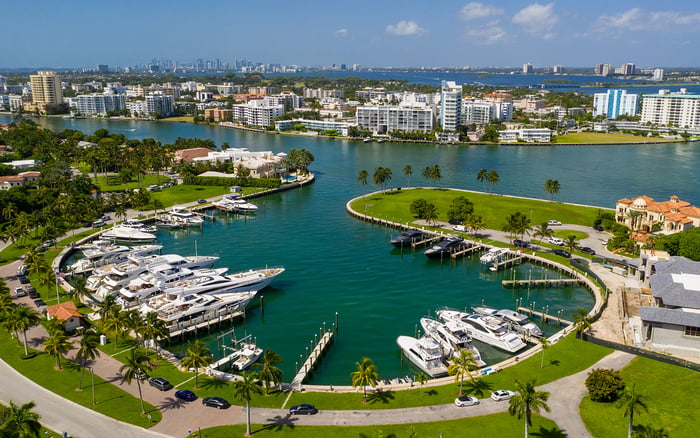
A buyer-focused look at Bay Harbor Towers in Bay Harbor Islands, where waterfront scarcity, boutique scale, and neighborhood convenience must be weighed against practical ownership realities.
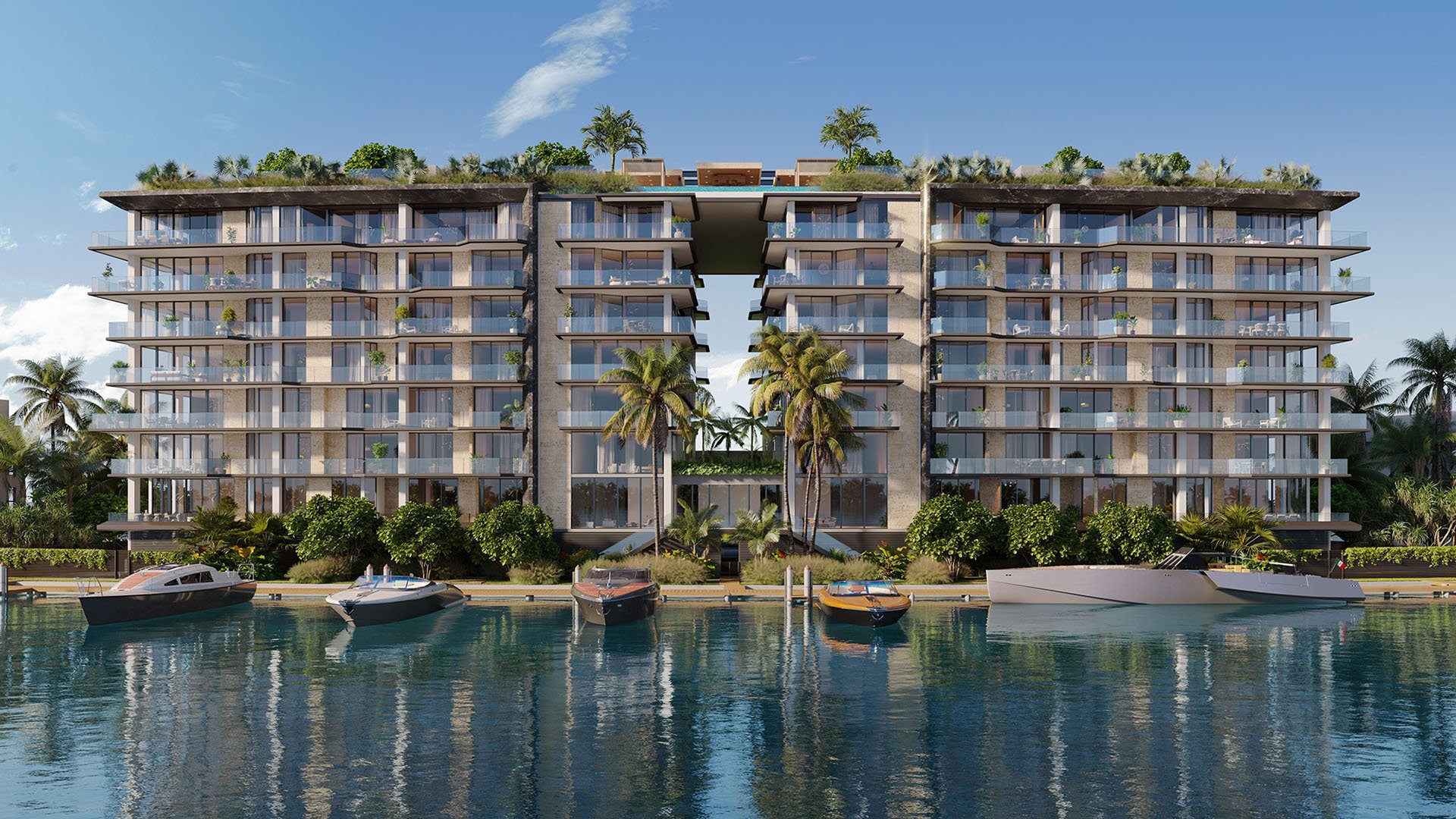
Bay Harbor Towers belongs to a category that sophisticated South Florida buyers increasingly study with care: the boutique waterfront condominium that offers meaningful prestige without the atmosphere of a mega-scale resort tower. For the right buyer, that distinction is not a compromise. It is the point.
The building’s appeal sits at the intersection of trophy value and daily practicality. On one side is the enduring language of South Florida luxury: waterfront positioning, scarcity, proximity to Bal Harbour, and the quiet status of Bay Harbor Islands. On the other are the unglamorous details that determine whether a residence works beautifully after closing: floor plan utility, parking, building services, insurance exposure, reserve funding, association financials, and ownership costs.
For high-net-worth buyers, the question is not simply whether Bay Harbor Towers feels special. It is whether that specialness is durable enough to support a trophy-leaning hold while remaining comfortable enough to live in, visit often, or keep as a second home.
Bay Harbor Towers is best understood within Bay Harbor Islands’ residential fabric. That context separates it from larger luxury corridors nearby, where height, branded amenities, and resort density often define the experience. Here, the more relevant currency is discretion.
Boutique buildings can appeal to buyers who prefer privacy, neighborhood rhythm, and a more residential atmosphere. There is less emphasis on spectacle and more emphasis on the quality of the setting. That can matter to owners who want waterfront presence without feeling absorbed into a hotel-like environment.
This is also where Bay Harbor and Bal Harbour often overlap in a buyer’s mental map, even though they deliver different residential experiences. Bay Harbor Islands offers proximity to the prestige and convenience of Bal Harbour while maintaining a quieter scale. For some buyers, that is precisely the blend that creates value: close to the luxury axis, but not consumed by it.
A true trophy condominium requires more than polished interiors. Finishes can be changed. Scarcity, location quality, waterfront orientation, and value resilience are harder to manufacture. Bay Harbor Towers’ trophy-value argument depends on those deeper factors.
Waterfront positioning is central. In mature coastal neighborhoods, especially those already surrounded by established residential fabric, the sense of finite supply matters. A building does not need to be the newest or tallest to hold a compelling place in the market if its setting is difficult to replicate.
Location also carries weight. Proximity to Bal Harbour adds lifestyle credibility, while beach access and the broader coastal environment support real daily use. Beach access is not a decorative phrase for this buyer profile. It affects how often an owner uses the residence, how appealing it feels to guests and family, and how naturally it fits into the South Florida lifestyle.
The water-view component should be judged carefully at the residence level. Buyers should consider orientation, sight lines, privacy, light, and how the view experience changes throughout the day. In boutique waterfront properties, the best value often appears where the residence feels calm, connected to the water, and practical in its layout rather than merely impressive on first entry.
Practicality is where many trophy conversations become serious. A residence can have the right address and still fall short if the everyday ownership profile is inefficient.
At Bay Harbor Towers, buyers should examine layouts with the same rigor they apply to views. Does the plan support full-time living, or is it better suited to seasonal use? Are bedrooms properly separated? Is storage sufficient? Does the kitchen function for daily life, or is it primarily aesthetic? Does the residence accommodate guests, staff, remote work, or multigenerational visits if those are part of the buyer’s pattern?
Parking and building services deserve equal attention. Luxury buyers often focus first on finishes, but convenience is what preserves satisfaction. Arrival sequence, elevator experience, guest access, package handling, maintenance responsiveness, and the general smoothness of building operations can shape the ownership experience more than a dramatic lobby.
Ownership costs must also be viewed as part of the purchase price. Insurance exposure, reserves, association financials, and future capital needs can materially affect the true economics of a condominium. A disciplined buyer should review the building’s age, recertification status, reserve funding, budget history, and any known upcoming work before deciding how aggressively to value the opportunity.
Bay Harbor Towers should not be evaluated in isolation. Its value proposition becomes clearer when compared with newer ultra-luxury towers in Bal Harbour, Surfside, and the broader Miami luxury corridor.
Newer towers may offer contemporary amenity packages, branded services, and the visual drama of fresh construction. Those qualities can be compelling, especially for buyers who want a fully programmed lifestyle with extensive wellness, hospitality, and social spaces. But larger buildings can also mean greater density, higher service expectations, and a different ownership culture.
A boutique waterfront building in Bay Harbor Islands asks a different question: do you prefer a quieter residential experience, with scarcity and location doing more of the work? For some buyers, the answer will be no. They will want the newest product and the deepest amenity roster. For others, Bay Harbor Towers may feel more aligned with how they actually live.
This is where investment logic and lifestyle logic should be considered together. The trophy case depends on scarcity, waterfront positioning, and location quality. The practical case depends on whether the residence functions easily and whether the building’s financial structure supports confidence. When both sides align, the property may become more than a convenient coastal home. It can become a measured, long-term hold.
Bay Harbor Towers is likely most compelling for buyers who value privacy, proximity, and residential scale over resort-tower intensity. It may suit those who want access to the Bal Harbour lifestyle without choosing the largest or most visible buildings in the area.
It can also appeal to long-term users who care about neighborhood convenience, beach access, and the practical rhythm of Bay Harbor Islands. These buyers are often less interested in chasing the newest amenity package and more interested in whether the residence supports a refined daily life.
The strongest candidates will be those who can separate surface luxury from structural value. They will ask not only how the residence presents, but how the building operates, how the association is funded, and how the asset compares with both branded new construction and competing boutique bayfront properties.
Bay Harbor Towers is not trying to be every buyer’s definition of ultra-luxury. Its strength lies in a more nuanced proposition: waterfront living in a boutique Bay Harbor Islands setting, close to the prestige of Bal Harbour, with the possibility of trophy relevance if the individual residence and building fundamentals hold up under scrutiny.
For buyers comparing trophy value with daily practicality, that nuance is useful. The right acquisition should feel elegant on arrival, rational during diligence, and easy to own after closing. In that sense, Bay Harbor Towers is not just a property to admire. It is a property to test carefully against the way a buyer truly intends to live.
Is Bay Harbor Towers considered a boutique condominium? Yes. It is positioned as a boutique Bay Harbor Islands condominium rather than a mega-scale ultra-luxury tower.
What gives Bay Harbor Towers potential trophy value? Its trophy case depends on scarcity, waterfront positioning, location quality, and the resilience of its setting.
Is Bay Harbor Towers more about lifestyle or investment? It can be both, but buyers should decide whether they see it primarily as a livable waterfront residence or a trophy-leaning hold.
How should buyers compare it with newer towers? Compare it with newer luxury towers in Bal Harbour, Surfside, and the broader Miami corridor for amenities, density, services, and ownership costs.
Why does proximity to Bal Harbour matter? It adds lifestyle convenience and prestige, especially for buyers who value access to the surrounding luxury corridor.
What practical details matter most before buying? Layout, parking, building services, association finances, insurance exposure, reserves, and ownership costs should all be reviewed.
Does the residential setting affect the ownership experience? Yes. A more residential setting can create a quieter, neighborhood-oriented alternative to larger luxury corridors.
Should buyers focus only on finishes? No. Finishes matter, but scarcity, location, building fundamentals, and value resilience are more important to long-term positioning.
Can Bay Harbor Towers work for long-term users? It may appeal to buyers who prioritize neighborhood convenience, beach access, and a practical daily rhythm.
What is the main buyer question? The key question is whether the property’s waterfront prestige and boutique scale justify the practical ownership profile.
When you're ready to tour or underwrite the options, connect with MILLION.
If branded residences are on your mind — as a home or as an allocation — we would be glad to share what we are seeing, privately.
Begin a quiet conversation